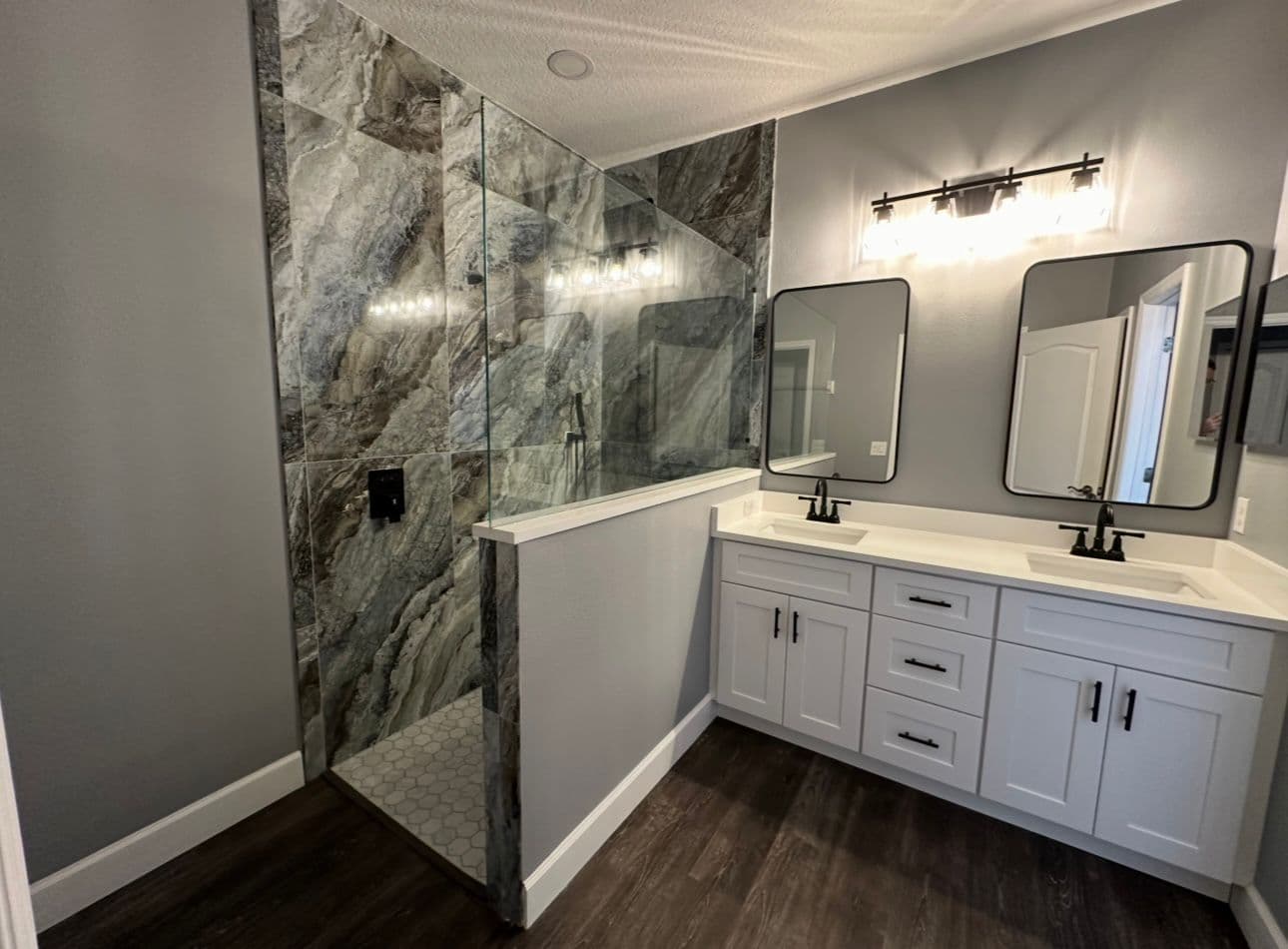
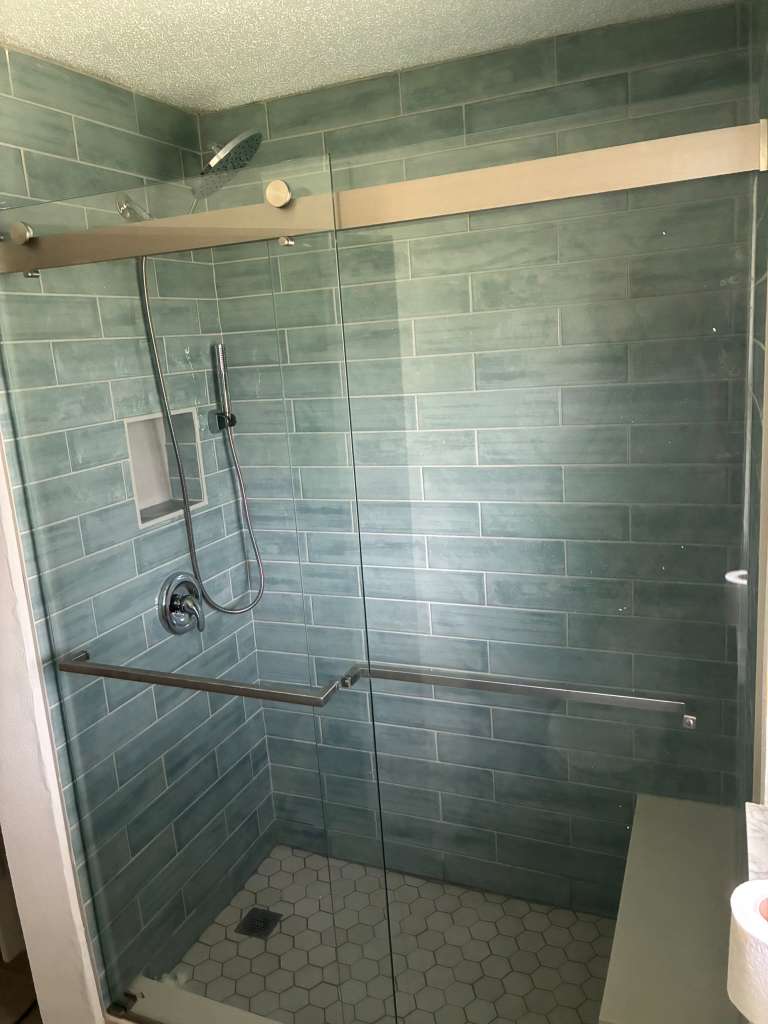
Medicaid may pay for a walk-in shower in some cases, but usually not as a standard bathroom remodel benefit. In Florida, coverage is more likely when the shower change is medically necessary, approved through a waiver or long-term care program, and documented as helping the person stay safe at home rather than enter a facility.
For homeowners in Southwest Florida, that distinction matters. A walk-in shower can be easier to use, safer for someone with mobility limitations, and sometimes part of a larger home modification plan. But Medicaid does not generally treat it like a routine style upgrade. Approval depends on the person’s coverage category, the paperwork, and whether the modification fits the program rules.
The short answer: sometimes, but only in limited situations
If you are asking, “will medicaid pay for a walk-in shower?” the honest answer is: sometimes, but not usually for everyone.
Medicaid programs are designed around medical need, not general remodeling. That means:
- A standard shower replacement is usually not covered just because it would be more convenient.
- A medically necessary bathroom modification may be covered under certain waiver programs.
- The request usually has to be tied to safety, accessibility, or the person’s care plan.
In Florida, Medicaid coverage can include durable medical equipment and certain home- and community-based services. Some waiver programs also allow bathroom-related modifications when they are properly authorized and medically necessary. Those rules are not the same as a regular home improvement budget.
When a walk-in shower may be covered
Waiver-based home modifications
The most likely path is through a waiver program that allows home accessibility changes. Florida waiver materials include bathroom-related modifications as a possible covered service when they are needed to support the member’s health and independence.
That can matter if the current bathtub or shower setup creates a fall risk, makes bathing impossible without help, or prevents safe transfer in and out of the bathing area.
Medical necessity
Medicaid coverage usually requires more than a preference for a better-looking bathroom. The request may need to show that the shower change is medically necessary. Examples might include:
- Difficulty stepping over a tub wall
- Need for a wheelchair or walker-friendly entry
- Fall prevention concerns
- Limited balance, strength, or range of motion
- Need for caregiver assistance during bathing
A doctor, therapist, case manager, or waiver coordinator may need to document why the modification is needed.
A plan of care or service authorization
Even if the modification seems reasonable, it generally has to fit within the member’s approved service plan. Medicaid waiver programs often require pre-approval before any work begins. If the project starts first, coverage may be denied.
What Medicaid usually does not cover
A walk-in shower is not usually covered as a normal remodel under standard Medicaid benefits. That means you generally should not assume Medicaid will pay for:
- A full bathroom makeover for appearance only
- Decorative tile upgrades
- High-end finishes or luxury features
- Layout changes that are not tied to accessibility
- Work done without prior approval
Medicaid rules focus on function, not design choices. If a homeowner wants a safer shower and also wants upgraded tile, glass, fixtures, or custom cabinetry, the medical program may only cover the approved accessibility part, if anything. Any extra costs would usually be the homeowner’s responsibility.
Florida-specific factors homeowners should know
The exact Medicaid category matters
Not every Medicaid member qualifies for the same services. In Florida, coverage can differ depending on whether the person is enrolled in:
- Standard Medicaid benefits
- A long-term care program
- A home- and community-based waiver
- Another specialized support program
So the first question is not just whether Medicaid can help, but which program the person is in.
The modification must fit the home and the plan
Florida waiver materials indicate that accessibility changes must also comply with applicable building requirements. In practical terms, that means the shower project has to be workable for the home itself, the bathroom size, and the existing plumbing and layout.
That is one reason these projects often need a contractor who can look at both the accessibility goal and the construction realities. In Southwest Florida homes, older bathrooms, moisture issues, and slab layouts can all affect the design.
Coverage is case-by-case
There is no single yes or no answer for every household. Approval often depends on documentation, medical need, and the local service process. Even when a walk-in shower is potentially eligible, the decision is usually individualized.
What a homeowner should do before starting the project
1. Confirm the person’s Medicaid program
Find out exactly what type of Medicaid coverage the member has. If they are in a waiver or long-term care program, the odds of bathroom modification coverage may be better than under standard coverage.
2. Ask for a medical recommendation
A doctor, occupational therapist, physical therapist, or case manager may need to explain why the change is necessary. The stronger the safety and mobility documentation, the better.
3. Request pre-approval before any work begins
Do not assume the work will be reimbursed later. For Medicaid-related modifications, approval usually has to happen first.
4. Clarify what is covered and what is not
Ask whether the program would cover:
- Demo and removal of the old tub or shower
- Accessible shower base or zero-threshold entry
- Grab bars
- Shower seat or transfer support features
- Plumbing changes
Then ask what would be out-of-pocket.
5. Keep the project focused on accessibility
If the goal is Medicaid coverage, the design should stay centered on safety and function. Extra upgrades can often be added separately, but they may not be reimbursable.
Why this matters in Southwest Florida homes
In Florida, bathroom upgrades often have to deal with humidity, moisture management, and aging finishes. A shower conversion is not just about looks. For a person with mobility issues, the right design can reduce fall risk and make daily living easier.
That is also why homeowners sometimes look at a bathroom remodel port charlotte fl project in a more practical way: not as a luxury update, but as a change that may support safety, aging in place, or caregiving needs.
If you are comparing options, it also helps to understand how shower systems, wall finishes, and waterproofing choices affect long-term maintenance. For more on one common Florida shower issue, see why shower grout keeps cracking in Florida.
How a walk-in shower project is often approached when Medicaid is involved
Accessibility first
The most common Medicaid-friendly plan starts with function:
- Easy entry
- Safe floor transition
- Room for mobility devices
- Supportive hardware
- Practical cleaning and maintenance
Then the construction details
Once the accessibility needs are clear, the contractor can evaluate the bathroom layout, plumbing, wall condition, and waterproofing requirements. In many homes, especially older ones, a shower conversion may require more than a simple swap.
Then the cost split
If Medicaid covers only part of the work, the homeowner may pay for the rest. That can include finish upgrades, layout changes, or features that exceed the approved scope.
Questions to ask before you submit a request
What documentation is required?
Ask who needs to write the medical justification and what forms the program wants.
Is prior authorization required?
In many cases, yes. Get that answer before choosing finishes or signing a contract.
What part of the bathroom is eligible?
Some programs may cover the accessibility adaptation but not every related repair or cosmetic improvement.
Who approves the work?
Find out whether the waiver case manager, Medicaid plan, or another administrator makes the decision.
Can the project be adjusted to stay within budget?
A simpler design may help if the approved amount is limited.
When a contractor becomes part of the process
Even when Medicaid is involved, the actual shower conversion still has to be built correctly. A contractor can help evaluate whether the bathroom can support a safer, more accessible layout and what the work may involve.
That is especially useful in homes where the existing tub is too high to step over, the bathroom is tight, or moisture damage has already affected the area. In those cases, the project may overlap with broader repairs, and the homeowner needs to know what is medically necessary versus what is simply a construction upgrade.
FAQ
Will Medicaid pay for a walk-in shower in Florida?
Sometimes, but usually only through a waiver or similar program that allows medically necessary home modifications. It is not typically covered as a standard remodel.
Does a doctor have to approve it?
Often, yes. Medical documentation is commonly part of the review, especially if the change is tied to safety or mobility needs.
Can Medicaid pay for grab bars and a shower seat too?
Possibly, depending on the program and the approval. These items may be more likely to qualify than a full remodel, but coverage still depends on the specific case.
Can I start the work and ask for reimbursement later?
Usually no. Pre-approval is often required before any construction begins.
What if Medicaid only covers part of the project?
Then the homeowner usually pays for the remaining costs, such as upgrades, extra finishes, or work beyond the approved scope.
Is a walk-in shower always better for aging in place?
Not always, but it can be a practical option for many people with mobility concerns. The best design depends on the person’s needs and the bathroom layout.
The bottom line
Medicaid may pay for a walk-in shower, but usually only when it is part of a medically necessary bathroom modification and approved through the right Florida program. It is not typically covered as a routine bathroom remodel, and the approval process can vary based on the member’s eligibility, documentation, and service plan. If you are planning a safer bathroom for a loved one, start with the coverage rules first, then build the project around what is actually allowed.
If you want help thinking through the remodeling side of a walk-in shower conversion in Southwest Florida, it can be useful to talk through layout, moisture protection, and accessibility goals before any work begins.