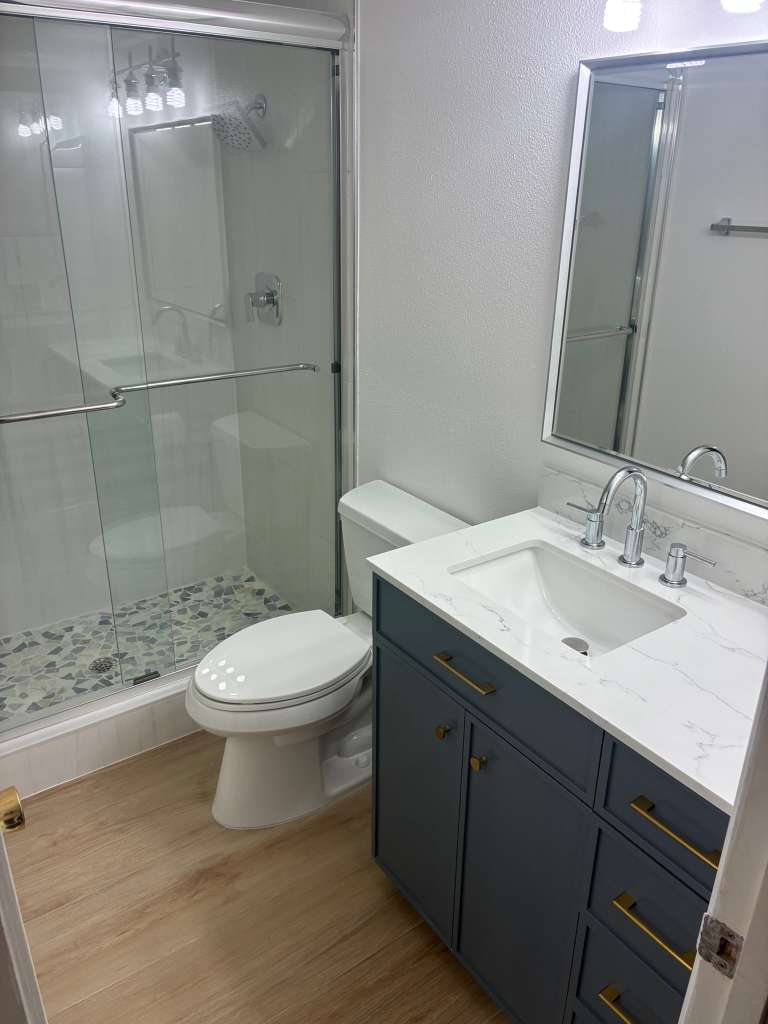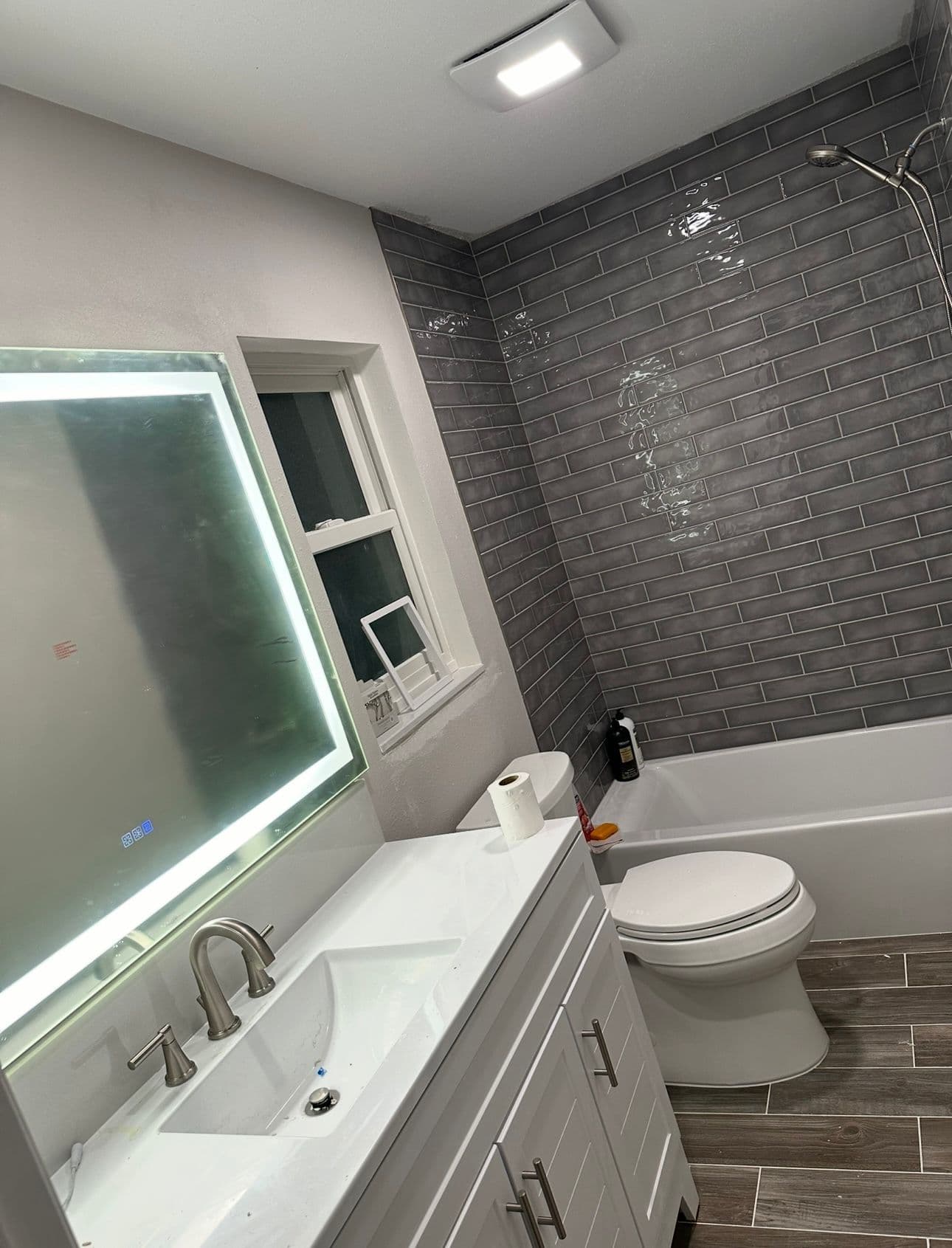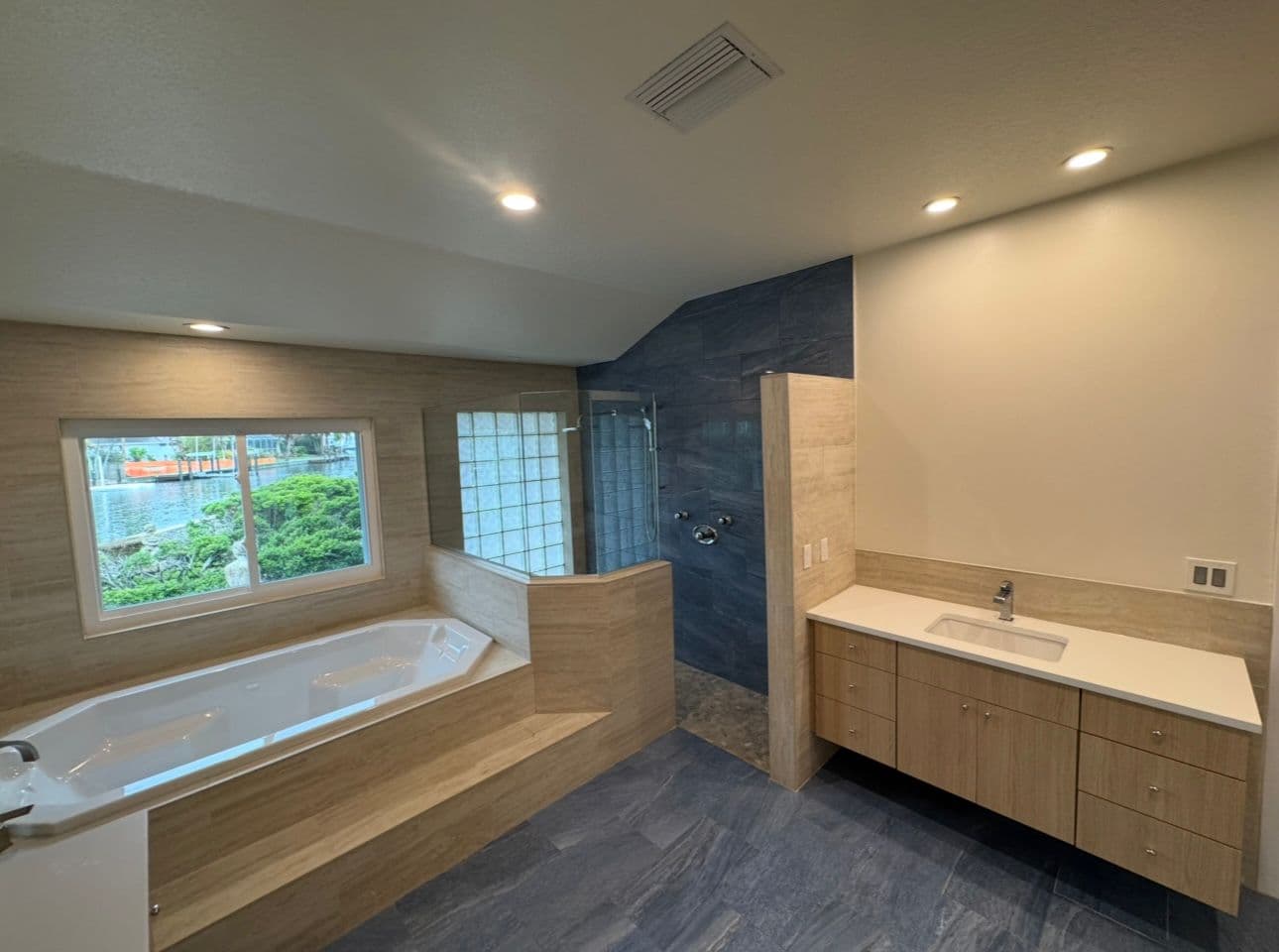
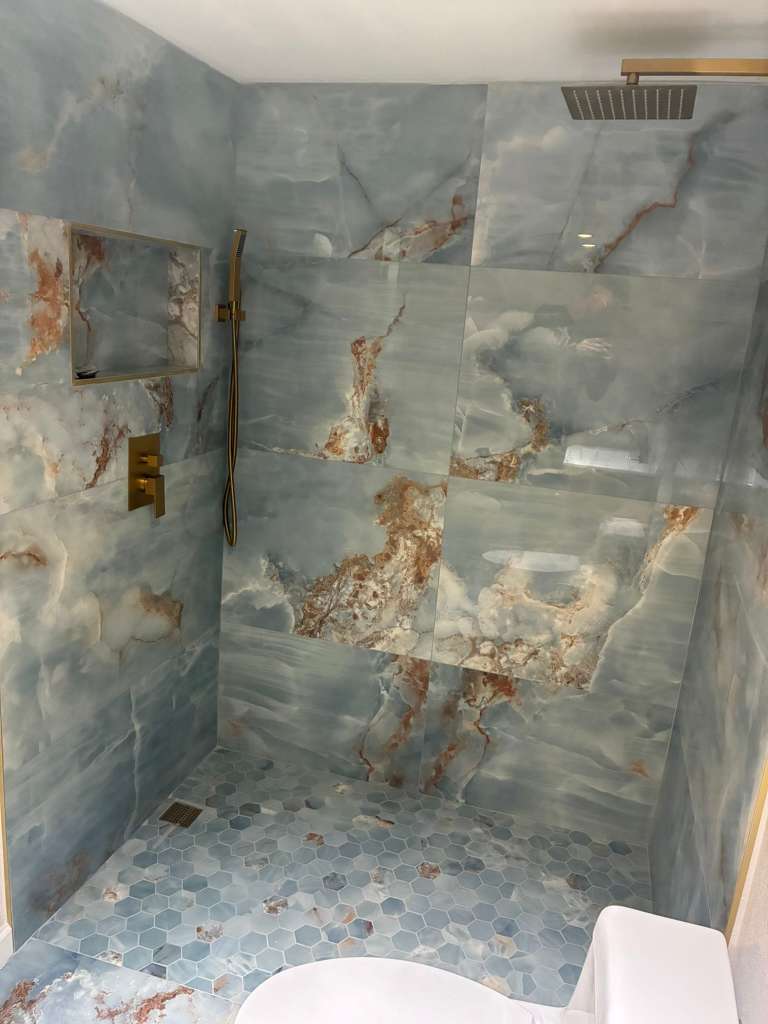
When cracking points to movement or water damage behind the tile, remodeling contractors venice fl can assess whether the repair needs a broader remodeling scope.
Persistent moisture may create another warning sign discussed in why bathroom mold keeps coming back in North Port homes.
Why Does My Shower Grout Keep Cracking in Florida?
Shower grout keeps cracking because something is moving, staying wet, or failing behind the tile. A one-time crack may be normal wear, but repeated cracks usually point to movement, poor waterproofing, weak backing, missing flexible sealant, or moisture trapped in the shower assembly.
In North Port and Southwest Florida, bathrooms deal with high humidity, long cooling seasons, and frequent moisture exposure. That does not mean grout should fail every few months. It means the shower has to be built and maintained with moisture and movement in mind.
Is cracked shower grout just cosmetic?
Sometimes it is cosmetic, but not always. Hairline cracks in isolated spots can happen as materials age. The concern grows when cracks return after regrouting, spread along corners, run across the floor, show up around the curb, or appear with loose tile, musty smells, or dark staining.
Grout itself is not waterproof. Tile and grout are the finished surface. A properly built shower has a waterproofing system behind or beneath that surface. If the waterproofing is sound, a small grout crack is usually manageable. If the waterproofing is missing or damaged, water can get into wall board, framing, or the shower pan area.
That is why Your Local GC looks at recurring grout cracks as a symptom, not just a surface blemish.
Why do shower corners crack first?
Corners crack first because two planes meet there. One wall can move slightly differently from the other wall, and the wall can move differently from the shower floor. Hard grout is not flexible enough for that type of joint.
In many showers, inside corners should be finished with a flexible sealant made for wet areas instead of rigid grout. When a corner is packed with grout, it may look clean at first, then split as the shower expands, contracts, or shifts with normal use.
Florida homes also see temperature and humidity swings between air-conditioned interiors and damp bathrooms. That small movement is enough to expose weak joints over time.
Could loose tile be causing the cracks?
Yes. If the tile is not bonded well to the backing surface, grout can crack because the tile is moving. You may notice a hollow sound when tapping the tile, edges that sit higher than nearby tiles, or grout that crumbles in the same area again and again.
Loose tile can come from poor installation, water intrusion, weak mortar coverage, movement in the wall board, or an old shower assembly that has started to break down. Regrouting loose tile does not solve the main issue. It only fills the visible gap until movement breaks it open again.
Does Florida moisture make grout problems worse?
Moisture makes small defects show up faster. A bathroom that stays damp for hours after each shower creates more stress on grout, caulk, wall board, and paint. If the exhaust fan is weak or vents into the attic instead of outdoors, the room may never dry properly.
A properly sized bath fan should move humid air outside the house. Many homeowners run the fan only during the shower, but it often needs to run 20 minutes or more afterward to clear the humidity. A timer switch can help.
Moisture does not excuse failing grout. It just raises the standard for ventilation, waterproofing, and materials.
Can the shower pan or curb be the real problem?
Yes. Cracks near the shower floor, curb, drain, or lower wall can point to a deeper issue. The shower pan has to move water toward the drain while keeping water out of the structure. The curb has to be waterproofed carefully because it gets hit with water and foot traffic.
If the curb was fastened incorrectly, wrapped poorly, or tiled over weak backing, water can get inside. Over time, the curb may swell, crack grout, loosen tile, or smell musty. A floor that does not slope correctly can also keep water sitting in the corners.
These are not cosmetic repairs. They may require opening part of the shower to see what is happening.
When is regrouting enough?
Regrouting can be enough when the tile is secure, the cracks are limited, the shower is drying properly, and there are no signs of water damage. A basic regrout may remove loose material, clean the joints, refill them, and seal or caulk the correct areas.
It is not enough when cracks return quickly, tiles move, walls feel soft, the curb is swollen, the shower smells musty, or water appears outside the shower. Those signs point to an assembly problem.
As a rough guide, if the same joint has been repaired two or more times and keeps failing, it is time to inspect the underlying cause.
What should I check before calling someone?
Take a few clear photos of the cracks. Note whether they are in corners, around the drain, near the curb, on the floor, or across a wall. Press gently around the area and check for movement. Look for soft drywall outside the shower, swelling trim, water stains below the bathroom, or a musty smell.
Also check the fan. Hold a tissue near the grille while it runs. If the fan barely pulls air, ventilation may be part of the problem. If the fan vents into the attic, that should be corrected.
These notes help a contractor diagnose faster and avoid guessing.
When does cracking grout mean a remodel is smarter?
A remodel may be smarter when the shower has multiple symptoms: recurring grout cracks, loose tile, poor drainage, mold, dated plumbing, weak ventilation, or signs of hidden moisture. At that point, repeated surface repairs can cost more over time than correcting the shower properly.
Your Local GC helps homeowners in North Port, Venice, Port Charlotte, Sarasota, and nearby areas evaluate bathroom issues before recommending a repair or remodel. If the shower can be repaired, that is the right path. If the assembly is failing, a properly waterproofed rebuild is the better long-term move.
FAQ
Can I just regrout a cracked shower?
Sometimes. Regrouting can work when the tile is solid, the waterproofing is intact, and the cracks are limited to worn surface joints. If cracks return quickly, the problem is usually movement or moisture behind the tile.
Is cracked grout a leak risk?
Yes. Grout is not the waterproofing layer, but cracks let more water reach the assembly behind the tile. If the shower was not waterproofed correctly, that water can become a hidden problem.
How long should shower grout last?
A properly built shower can go many years without widespread grout cracking. Small maintenance areas may need touch-ups sooner, but recurring cracks in the same spots should be inspected.
Who should inspect a shower with recurring grout cracks?
A licensed remodeling contractor can check tile movement, substrate issues, waterproofing details, and signs of moisture damage before recommending a repair or rebuild.
What is the next step?
If your shower grout keeps cracking, start with an inspection instead of another quick patch. Your Local GC can look at the tile, ventilation, waterproofing clues, and surrounding materials, then help you decide whether a targeted repair or a bathroom remodel makes more sense.