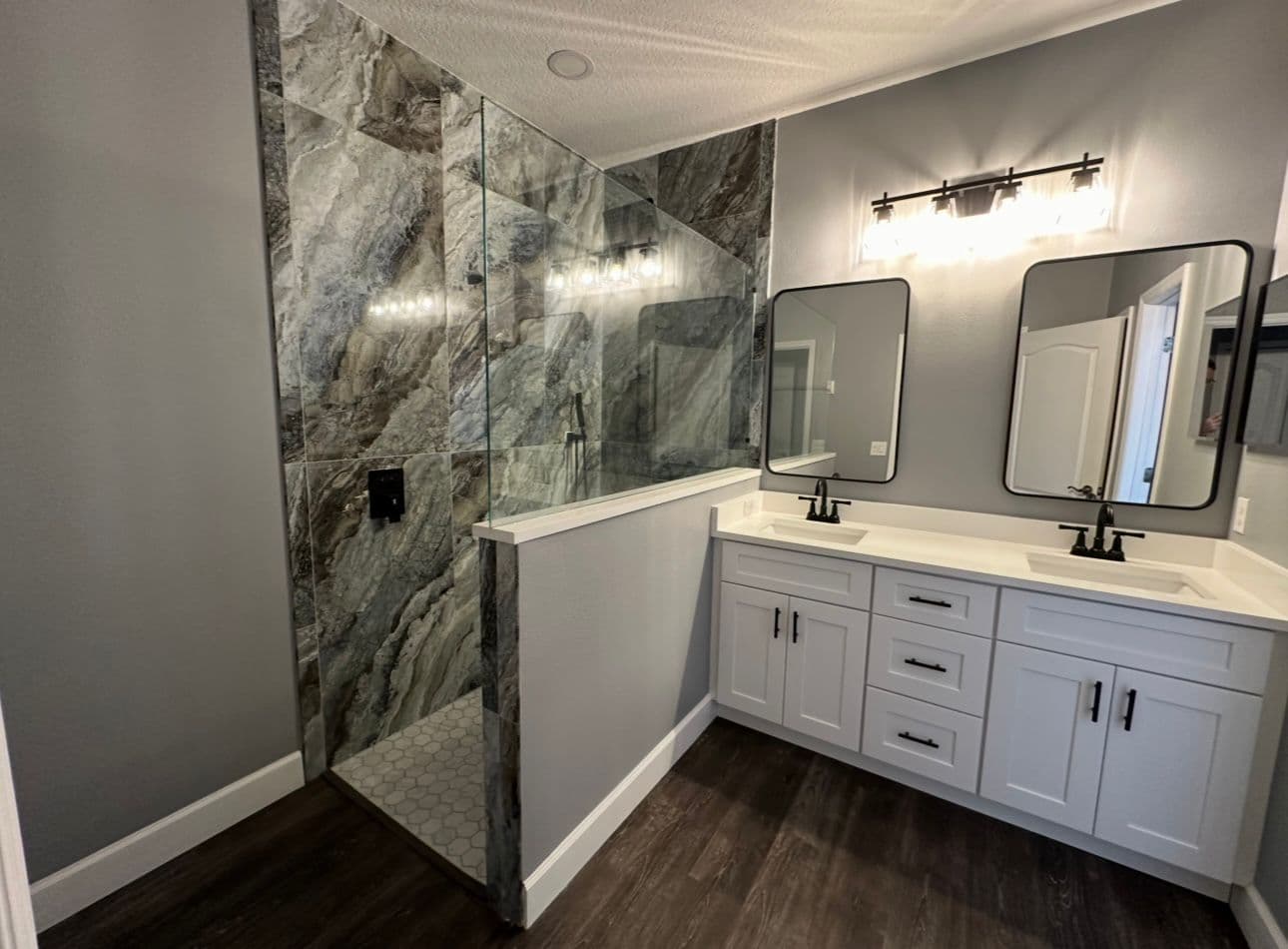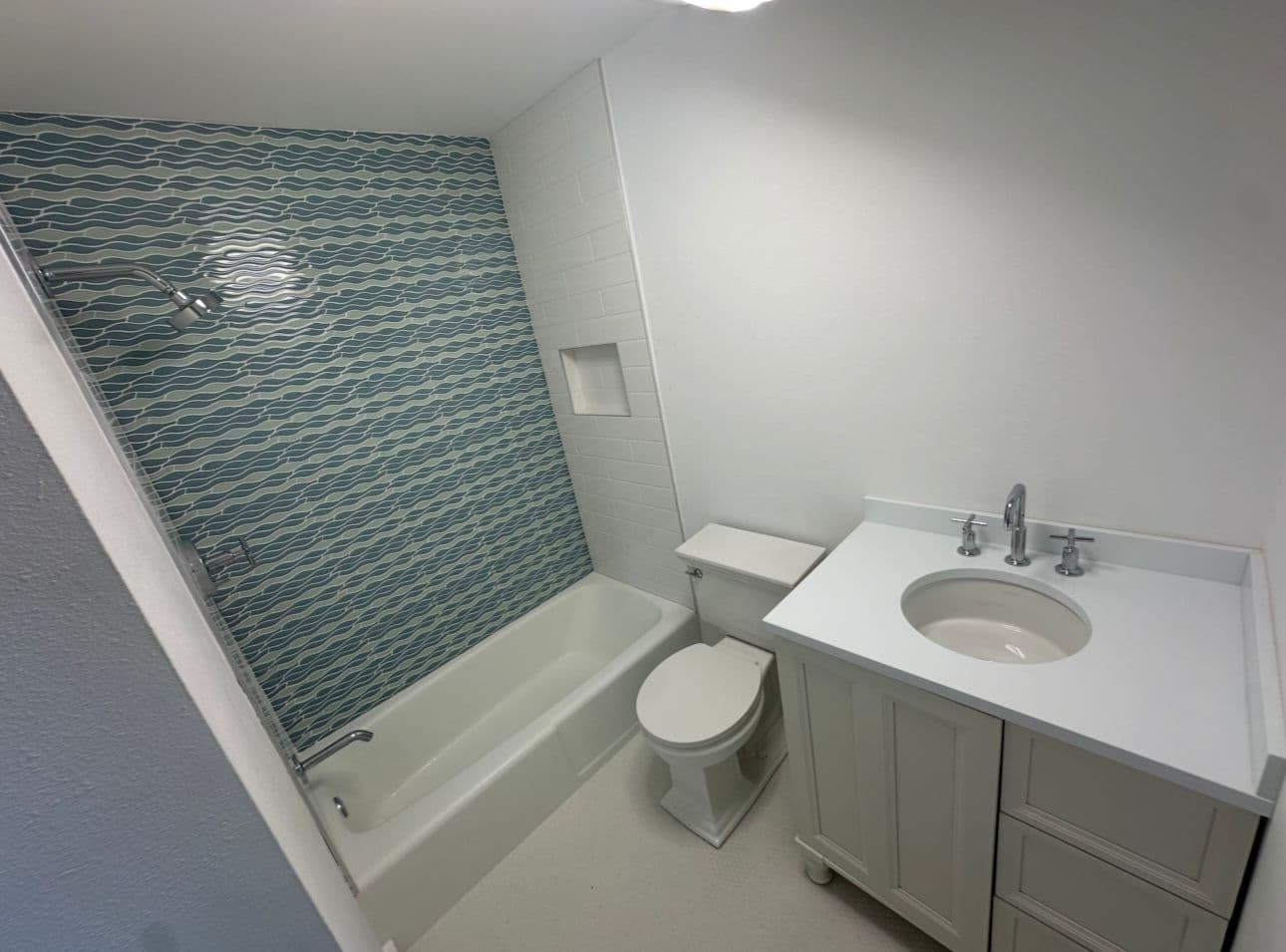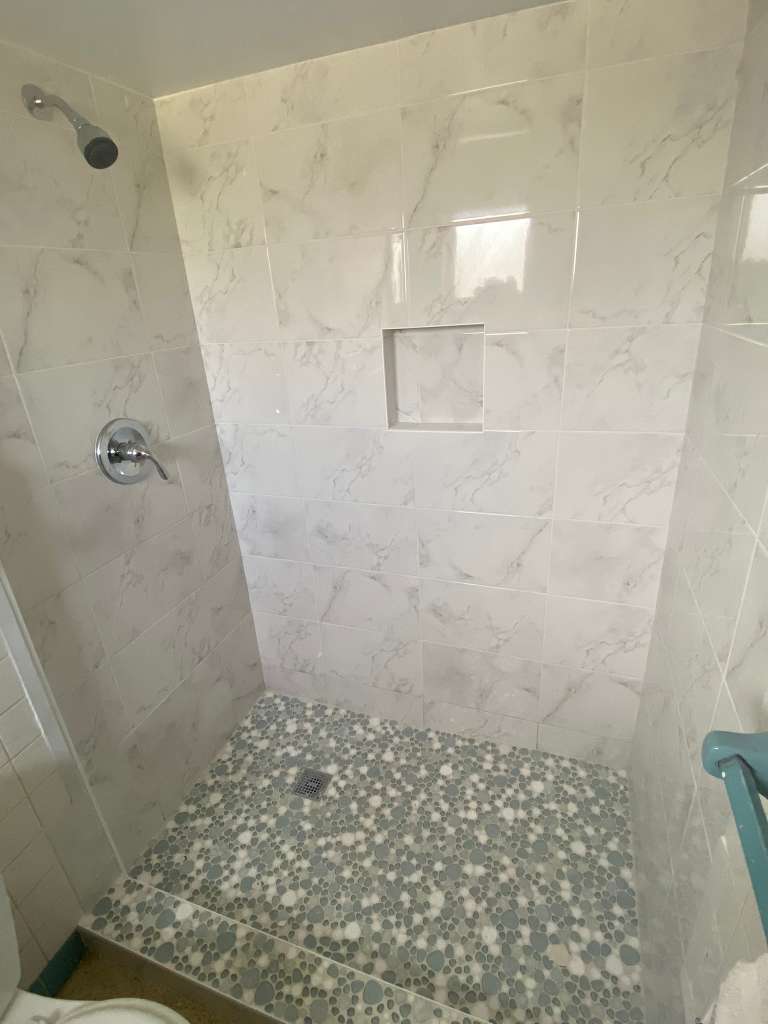
Yes — you can put wallpaper in a bathroom, but only when the room’s moisture level, ventilation, and wall prep make sense for it. In a Southwest Florida home, that usually means being more selective than you would be in a dry interior room. A powder room or half-bath is typically a safer place for wallpaper than a full bath with a shower, especially if the space gets steamy or the exhaust fan is weak. The short answer to “can you put wallpaper in a bathroom?” is yes, but not everywhere and not with every product.
For homeowners planning a bathroom update, wallpaper can be a beautiful way to add pattern, warmth, or personality without changing the room layout. The key is choosing the right material and protecting it from the conditions that cause bubbling, seam failure, or peeling. If your project is part of a larger remodel, it may help to think about the bathroom as a complete moisture-management system, not just a decorative finish. For broader planning, see our bathroom remodel port charlotte fl page.
Why Bathrooms Are Harder on Wallpaper
Bathrooms are naturally tougher on wallcoverings than living rooms, bedrooms, or hallways. Steam from showers, splashes from sinks and tubs, and lingering humidity all put stress on adhesives and seams. In a coastal climate like Southwest Florida, indoor moisture can stay elevated for long stretches, so small ventilation problems can become bigger finish problems over time.
The main risks to watch for
- Bubbling: moisture gets behind the paper or adhesive layer.
- Peeling seams: edges lift when humidity stays high.
- Mold growth: trapped moisture can create conditions where mold is more likely.
- Staining: splashes and condensation can mark some wallcoverings.
The practical takeaway is simple: wallpaper can work in a bathroom, but the room has to support it. If the bathroom already has recurring mildew, condensation on the walls, or a fan that barely moves air, wallpaper may be the wrong finish until those issues are fixed.
Best Wallpaper Choices for a Bathroom
Not all wallpaper is equal in a humid room. Standard porous paper products are more likely to fail in a bathroom because they can absorb moisture. Moisture-resistant products do much better.
Better options for humid spaces
- Vinyl wallpaper
- Vinyl-coated wallcovering
- Other moisture-resistant wallcoverings rated for bath use
These products are generally more forgiving in humid conditions than traditional paper wallpaper. Even then, they are not magic. Product choice still has to be matched with good wall prep and proper ventilation.
What to avoid
- Standard paper wallpaper in high-humidity areas
- Wallpaper inside a shower enclosure
- Any wallcovering where direct spray regularly hits the surface
If you want the look of wallpaper but are unsure about the bathroom environment, a moisture-resistant product in a lower-splash area, such as above a wainscot or on an accent wall away from the tub and shower, is usually the more cautious approach.
Where Wallpaper Can Work — and Where It Usually Shouldn’t
Placement matters as much as product choice. Even a good wallcovering can fail if it is installed where it gets hit with water every day.
Safer places to use wallpaper
- A powder room or half-bath
- A wall away from the shower and tub splash zone
- Areas with stable humidity and good airflow
- Accent walls that are not directly exposed to steam
Places to avoid wallpaper
- Inside the shower
- On walls that get direct spray from the tub or shower
- On damp, unventilated walls
- Over surfaces with active mold, peeling paint, or unresolved moisture damage
If you are remodeling a full bathroom in Southwest Florida, it is worth evaluating whether wallpaper belongs only in the dry zones of the room. In many homes, that means a decorative wall in the vanity area instead of the shower wall.
Ventilation Matters More Than Most People Think
A bathroom can look dry and still have enough moisture in the air to cause problems behind the scenes. That is why ventilation is one of the most important parts of the decision.
What good ventilation does
- Reduces condensation on walls and mirrors
- Helps surfaces dry faster after showers
- Lowers the chance of bubbling or seam separation
- Helps limit conditions that encourage mold growth
Signs your bathroom may not be ready for wallpaper
- The mirror stays foggy long after a shower
- Paint feels soft, chalky, or damaged
- You notice recurring mildew near the ceiling or trim
- The exhaust fan is noisy but doesn’t seem effective
- Humidity stays high even with windows open
If your bathroom fan vents into the attic or does not move air outdoors, that is a problem to address before worrying about wallpaper. In humid Florida conditions, the finish on the wall is only as reliable as the moisture control behind it.
Wall Prep Is Just as Important as the Wallpaper
Even the right wallpaper can fail if the walls underneath are not ready. Smooth, dry, and properly primed surfaces help the adhesive bond and reduce the chance of future problems.
Before installation, the walls should be:
- Clean and dry
- Free of mold, mildew, and dust
- Properly patched and sanded
- Primed according to the wallpaper manufacturer’s directions
- Stable enough to support the wallcovering long term
Common prep mistakes to avoid
- Installing over damp drywall
- Skipping primer
- Covering stains without fixing the source
- Using the wrong adhesive for the material
- Ignoring minor leaks or condensation issues
If your bathroom has had water damage, peeling paint, or recurring mold, the wall should be evaluated first. Decorative finishes should not hide a moisture problem.
Practical Tips for Southwest Florida Homes
Southwest Florida homeowners deal with a unique mix of heat, humidity, salt air, and long cooling seasons. That does not mean wallpaper is off the table, but it does mean the details matter more.
What tends to work better here
- Smaller bathrooms with lower moisture exposure
- Powder rooms with no shower or tub
- Homes with reliable exhaust ventilation
- Moisture-resistant wallcoverings installed on dry, primed walls
What deserves extra caution
- Full baths used heavily by families
- Older bathrooms with weak ventilation
- Spaces with past mold or mildew issues
- Walls near the tub, shower, or exterior humidity intrusion
If your bathroom is part of a broader interior update, it can help to plan the finishes together so the room is functional as well as attractive. We cover that planning mindset in our bathroom remodeling ideas north port home value article.
When Wallpaper Is a Good Idea
Wallpaper can be a smart choice when the bathroom is relatively dry, the design goal is clear, and the product is suited to the environment.
Good candidates for bathroom wallpaper
- A half-bath used mostly by guests
- A primary bath with strong ventilation and careful placement
- An accent wall that stays away from direct water
- A remodel where style matters but tile is not needed everywhere
Wallpaper may also be a nice way to add character without adding the visual weight of more tile or stone. That can be especially helpful in compact bathrooms where you want personality without making the room feel busy.
When Another Finish May Be Better
Sometimes wallpaper is not the best answer, even if you love the look. If the room is prone to moisture problems, another finish may be simpler to maintain.
Consider alternatives if:
- The bathroom has frequent condensation
- The exhaust fan is inadequate or missing
- There is a history of mold or mildew
- The wall is exposed to splashes or steam every day
- You want a low-maintenance finish in a high-use bath
In those situations, painted walls, tile, beadboard, or another moisture-tolerant finish may be a better long-term fit. The goal is not just to make the room pretty; it is to make sure the finish holds up.
A Simple Checklist Before You Install Wallpaper
Before you commit, use this quick checklist:
- Is the bathroom well ventilated?
- Does the fan vent outdoors?
- Is the wall dry and stable?
- Are you using a moisture-resistant wallcovering?
- Is the paper going away from direct water spray?
- Have you followed the manufacturer’s installation instructions exactly?
If you cannot answer yes to most of these, it is worth pausing before installation.
FAQ
Can you put wallpaper in a bathroom with a shower?
Yes, but only with caution. It should stay out of the shower enclosure and away from direct spray. Moisture-resistant products do better than standard paper, but ventilation is still critical.
Is vinyl wallpaper better for bathrooms?
Usually, yes. Vinyl and vinyl-coated wallcoverings are generally more moisture-resistant than traditional paper wallpaper, which makes them a better fit for humid bathrooms.
Can wallpaper cause mold in a bathroom?
Wallpaper itself does not create mold, but trapped moisture behind it can contribute to mold growth if the room stays damp or poorly ventilated.
Do you need a special primer for bathroom wallpaper?
Often, yes. The wall should be primed according to the wallpaper manufacturer’s instructions so the adhesive bonds properly and the surface stays stable.
Is wallpaper better for a powder room than a full bathroom?
Usually, yes. A powder room typically has less steam and less direct water exposure than a full bath, so it is often a lower-risk place for wallpaper.
What is the biggest mistake homeowners make with bathroom wallpaper?
Using the wrong product in the wrong location. Standard wallpaper in a steamy, poorly ventilated bathroom is much more likely to fail.
Wallpaper can absolutely work in a bathroom, but success depends on moisture control, product choice, and placement. In Southwest Florida especially, the safest approach is to treat humidity as part of the design, not an afterthought. If you are planning a bathroom upgrade and want help thinking through the layout, ventilation, and finish choices together, a remodel-minded approach is usually the best place to start.