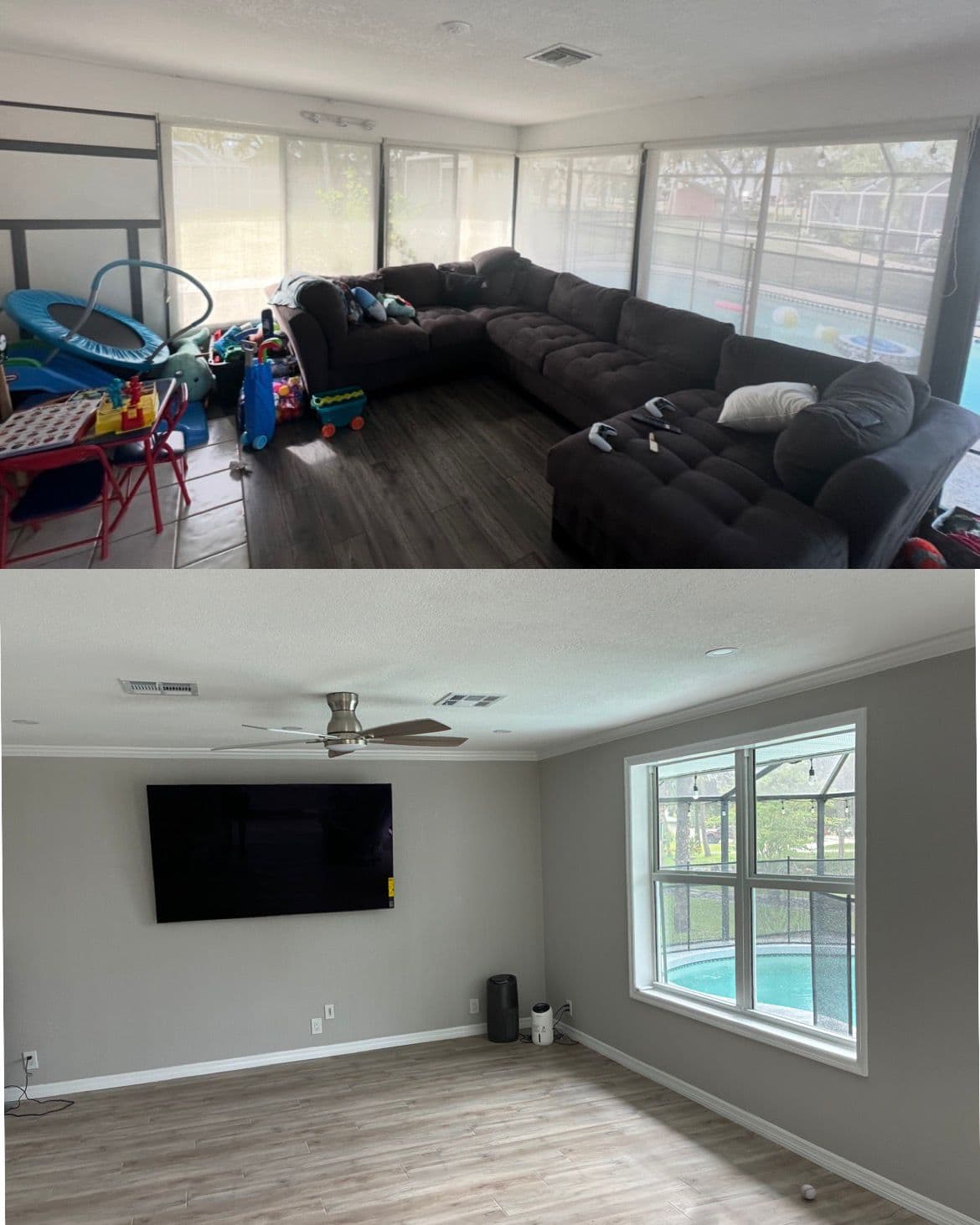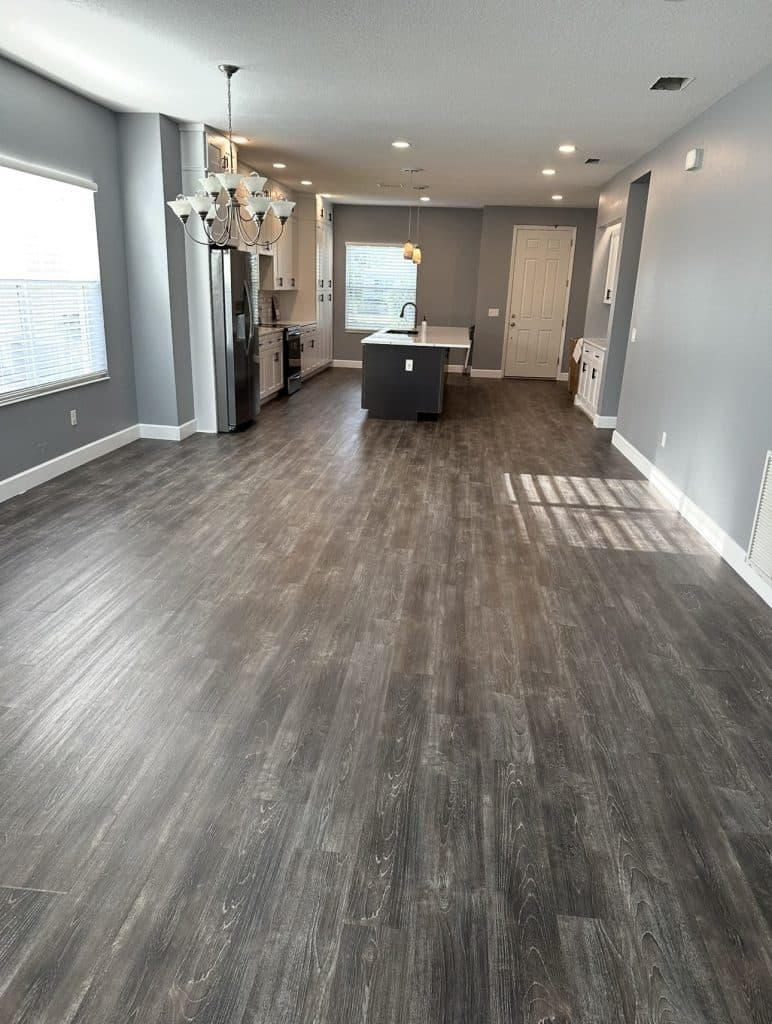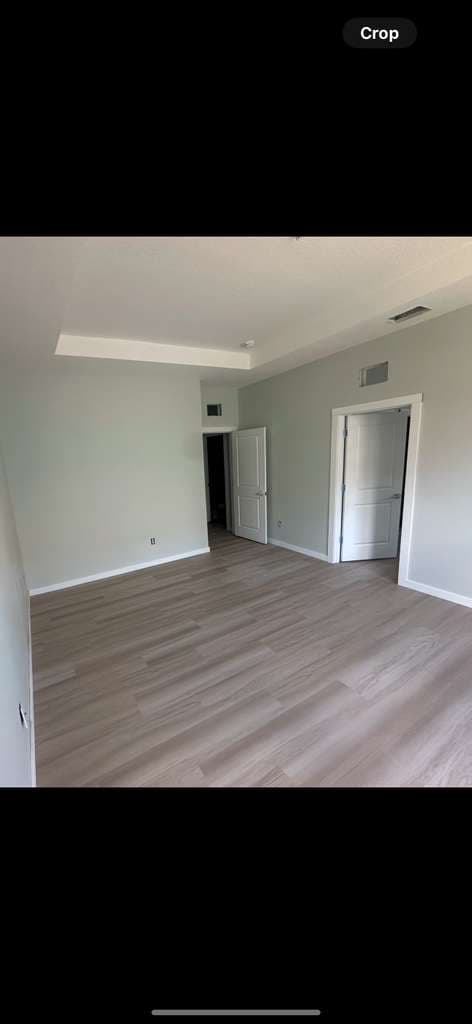
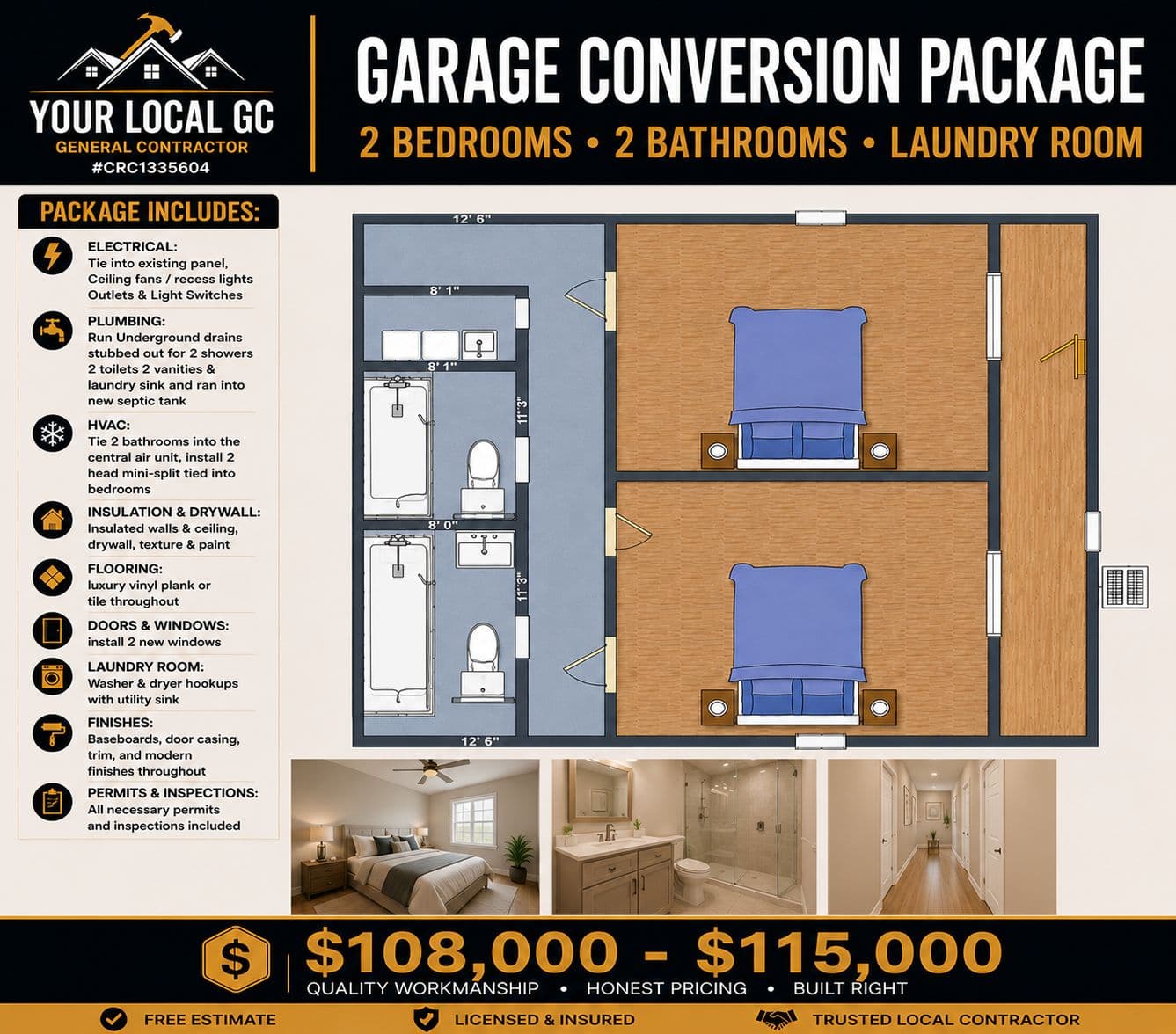
The planning steps shown on our room addition sarasota page illustrate why design, approvals, site conditions, and trade coordination affect the schedule.
For cost and permit context, read our guide to home additions in North Port.
Why Do Florida Home Additions Take Longer Than Expected?
Florida home additions take longer than expected because the work is not just "adding a room." The project has to handle engineering, permits, wind code, foundation work, roof tie-ins, inspections, weather, materials, utilities, and the connection between the new space and the existing home.
In North Port and Southwest Florida, a well-built addition is closer to a small custom build than a simple remodel. The timeline should be planned that way from the beginning.
Why does planning take so long before construction starts?
Planning takes time because the addition has to fit the lot, the house, the building code, and the homeowner's budget. Before construction, the project may need measurements, a site plan, structural details, product approvals, engineering, energy information, and permit documents.
If the addition includes plumbing, HVAC, electrical upgrades, a bathroom, an expanded kitchen, or an ADU-style space, the planning gets more detailed. Missing information can lead to permit comments and revisions.
It is common for the pre-construction phase to take several weeks before anyone starts digging.
How do permits affect the schedule?
Permits affect the schedule because the building department has to review the plans before work begins. In many cases, the review looks at setbacks, structure, wind loads, energy code, drainage, flood considerations, electrical, plumbing, and mechanical work.
For a straightforward addition, permit review may take a few weeks. If revisions are requested, the design team has to respond before approval. If the property has unusual setbacks, flood zone issues, or structural complexity, the timeline can stretch.
A realistic plan should include permit time instead of treating it as a formality.
Why does Florida wind code matter?
Florida additions have to be built for local wind conditions. That affects walls, roof connections, windows, doors, anchors, tie-downs, and product approvals. Impact-rated openings or approved protection may be required depending on the location and design.
Wind code is one reason additions in Florida can take longer than similar projects in other states. Details have to be documented, installed, and inspected. A missed connector or wrong product approval can delay inspection sign-off.
Your Local GC plans additions with these requirements in mind so the project is not surprised by them halfway through.
Why is the roof tie-in such a big deal?
The roof tie-in is where the new addition meets the existing roof. It has to handle structure, water, wind, flashing, roofing materials, attic ventilation, and appearance. A poor tie-in can cause leaks, cracks, or long-term maintenance problems.
This part of the project often takes more coordination than homeowners expect. The existing roof may need to be opened, reinforced, matched, or partially reworked. Weather matters too. A roof tie-in should not be rushed when rain is likely.
In Southwest Florida, a few stormy afternoons can shift a schedule quickly.
What existing-home surprises slow things down?
Additions touch the existing home, and existing homes have surprises. Contractors may find old wiring, termite damage, plumbing that needs updating, slab elevation differences, drainage issues, rotten fascia, out-of-level walls, or framing that does not match the original plan.
These issues are not always visible until work starts. A good contractor documents the problem, explains the options, and adjusts the scope before covering anything back up.
A practical contingency for additions is often 10% to 15% of the project budget. That does not mean every project uses it, but it helps prevent one discovery from stopping the job.
How do inspections affect the timeline?
Inspections happen at key points, not just at the end. Foundation, slab, framing, roof, electrical, plumbing, mechanical, insulation, and final inspections may all apply depending on the scope.
Work often cannot move to the next step until the prior inspection passes. If an inspection needs correction, the contractor has to fix the issue and schedule a reinspection. Even when everything is done correctly, inspection availability can affect timing.
This is why sequencing matters. Crews, materials, and inspections have to line up.
Do materials cause delays?
Yes. Windows, doors, trusses, specialty roofing, cabinets, tile, fixtures, and electrical equipment can all affect the schedule. Some products arrive in days. Others take weeks. If a homeowner chooses a special-order item after construction starts, it can delay the finish.
For additions, exterior openings are especially important because they affect weather protection and inspections. Product approvals, size, and delivery dates should be confirmed early.
Material decisions made late often become schedule problems.
Can the homeowner do anything to keep the project moving?
Yes. Decide the scope early, make selections before construction, respond quickly to questions, avoid changing layout after permits, and keep a realistic contingency. Changes during construction are sometimes necessary, but they usually affect time.
The best way to speed up an addition is to slow down at the beginning. Clear plans, complete selections, and realistic scheduling prevent delays later.
What is a realistic expectation?
A small addition can still take several months from first planning to final inspection. Larger additions, ADUs, primary suites, or projects with complex rooflines can take longer. The actual construction may not be happening every day, because some parts depend on review, inspections, weather, and material arrivals.
The better question is not "how fast can this be done?" It is "what has to happen in order, and what could delay it?" A transparent schedule should show both.
FAQ
How long does a Florida home addition usually take?
Many room additions take several months from planning through final inspection. The construction portion may be shorter, but engineering, permits, material lead times, and inspections add time.
What causes the biggest delays?
The biggest delays usually come from incomplete plans, permit revisions, material lead times, inspection scheduling, weather, and surprises where the new addition connects to the existing home.
Can I speed up the permit process?
You can reduce delays by starting with complete drawings, product approvals, engineering, and a clear scope. You cannot fully control review times, but complete submissions help.
Should I move out during an addition?
Not always. It depends on how the addition connects to the home, whether utilities are affected, and how much interior work is involved. Plan for dust, noise, access changes, and temporary disruptions.
What is the next step?
If you are planning an addition in North Port, Venice, Port Charlotte, Sarasota, or nearby areas, start with a realistic scope and timeline. Your Local GC can walk the property, discuss the build path, and help you understand the steps before you commit to plans or materials.