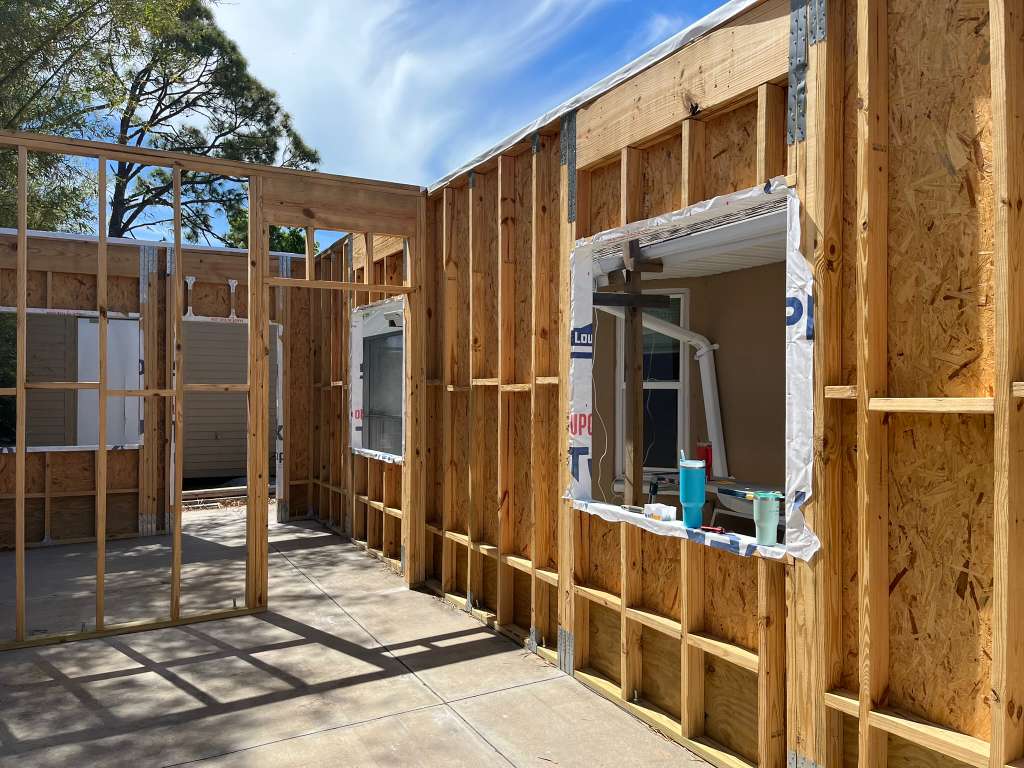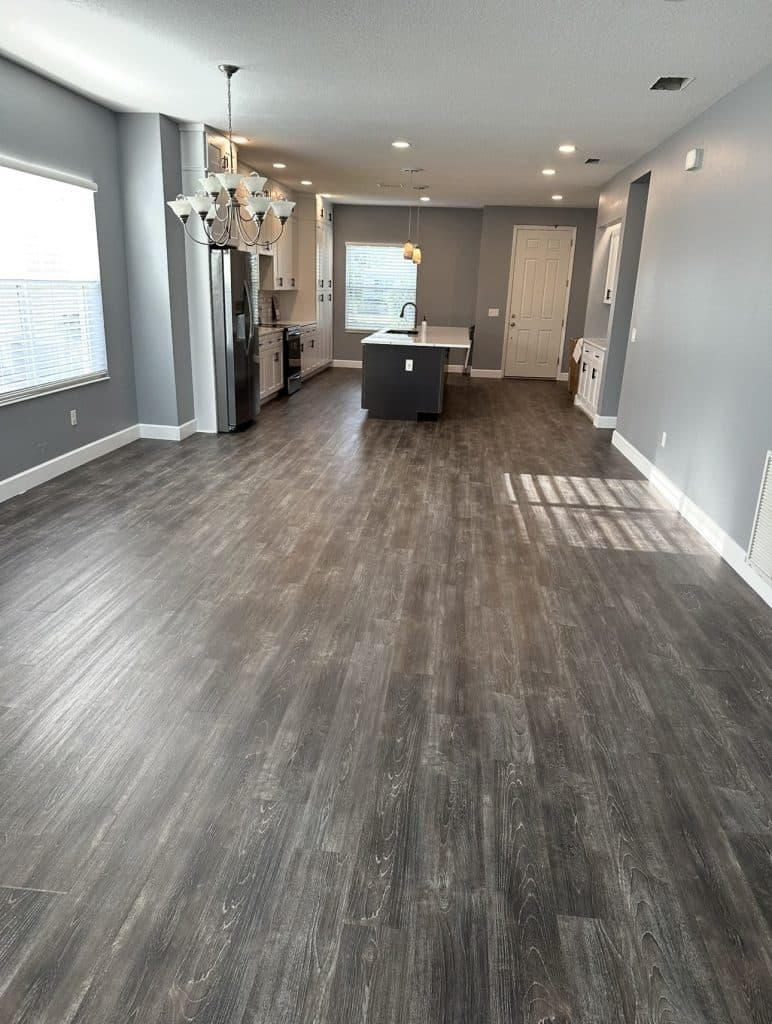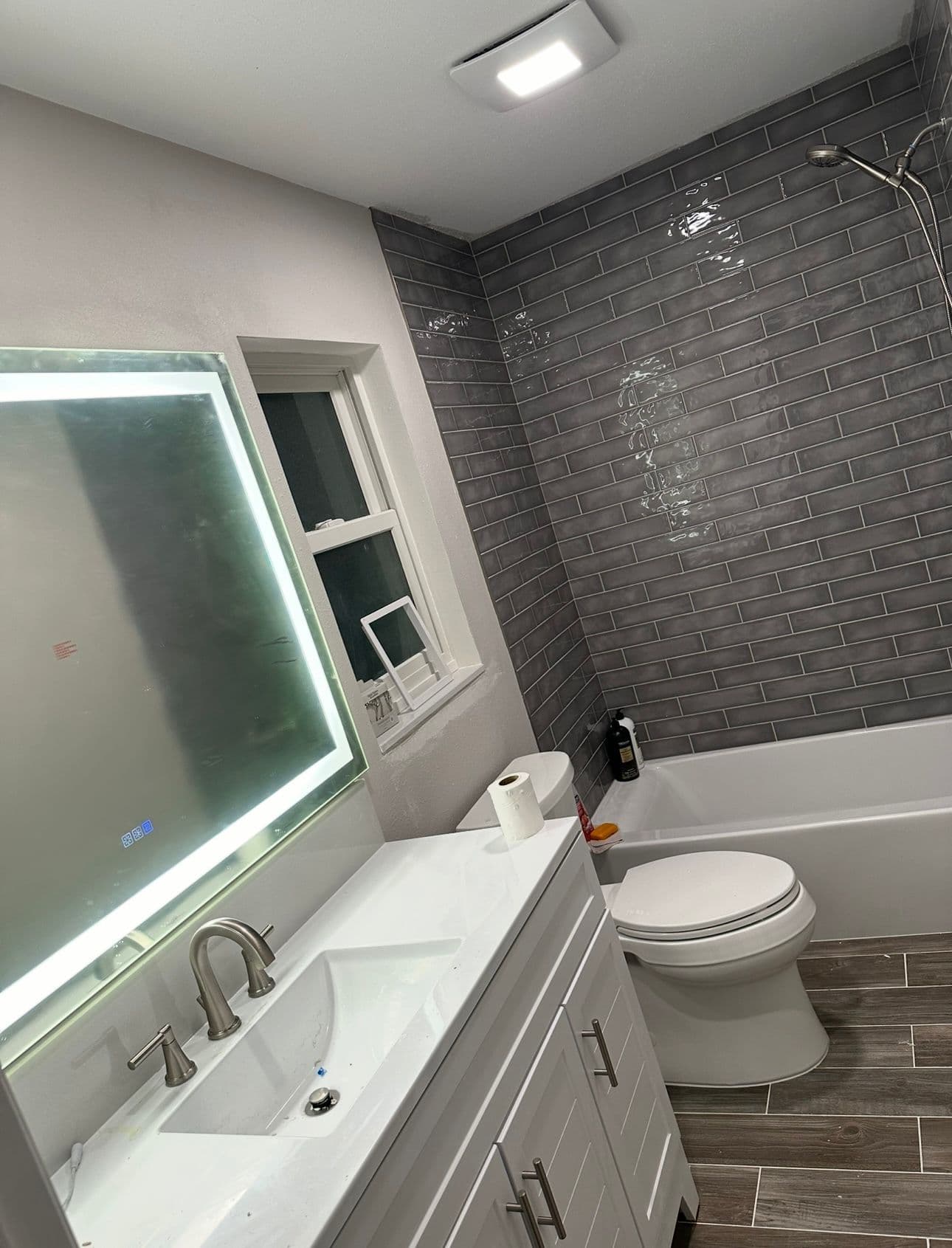
Property owners needing a regional assessment can review services from remodeling contractors port charlotte fl before damaged finishes or framing conditions worsen.
Storm moisture may first appear indoors, including the recurring conditions described in why bathroom mold keeps coming back.
Florida storms can leave damage that is easy to miss at first. Some problems are obvious, like missing shingles or a broken window. Others show up slowly as moisture, movement, staining, or small cracks that get worse over time. After heavy wind and rain, homeowners should do a careful walkaround before assuming everything is fine.
The goal is not to panic after every storm. The goal is to catch problems early, document them, and repair them before they become larger structural or moisture issues.
Water Stains on Ceilings or Walls
Brown rings, bubbling paint, soft drywall, or new ceiling stains are all signs that water found a path inside. The leak may come from roofing, flashing, windows, siding, stucco cracks, plumbing penetrations, or a roof-to-wall connection.
Do not only paint over the stain. The source needs to be found first. If the wall or ceiling feels soft, smells musty, or continues to darken, the area should be opened and dried properly before repairs are finished.
Doors or Windows That Suddenly Stick
After a major storm, doors and windows can become harder to open if the frame shifted, water entered the opening, or swelling occurred around trim and jambs. A single sticky door may be minor. Several new problem openings can point to movement, moisture, or settlement that needs closer inspection.
Pay special attention to sliding glass doors, lanai doors, and windows on the wind-facing side of the home.
Cracked Stucco or Gaps Around Openings
Small hairline stucco cracks are common in Florida homes, but new cracks after a storm should be checked. Look around windows, doors, corners, columns, and roofline transitions. Gaps in sealant or cracks that allow water behind the exterior finish can lead to hidden moisture damage.
If the crack is widening, stair-stepping, or paired with interior staining, it should not be ignored.
Soft Spots, Musty Odors, or Flooring Changes
Moisture can travel under flooring before it becomes obvious. Watch for cupping wood floors, loose vinyl plank edges, swollen baseboards, musty smells, or soft spots near exterior walls and doors. These signs can mean water entered during wind-driven rain or pooled near a slab transition.
Fast drying and proper repair matter. Trapped moisture can become mold, especially in closed wall cavities and under cabinets.
Roof, Soffit, and Fascia Damage
From the ground, look for lifted shingles, missing ridge caps, bent flashing, sagging gutters, damaged soffit, and fascia boards pulling away. Even if the roof is not visibly leaking, wind damage can loosen materials enough to create future leaks.
Avoid climbing on the roof after a storm. A licensed professional can inspect safely and document what needs repair.
Lanai and Screen Enclosure Damage
Storms often damage screen enclosures, doors, anchors, fasteners, and aluminum framing. If the lanai structure is bent, pulled away, or no longer square, it may need more than screen replacement. Check for loose base plates, cracked fasteners, and roof tie-in issues.
If you are considering upgrading or enclosing the lanai after damage, permits may be required depending on the scope.
Take Photos Before Cleanup
Before moving debris or starting repairs, take clear photos and videos. Capture wide shots, close-ups, and anything that shows the location of the damage. This helps with insurance conversations and gives your contractor better context.
Keep receipts for temporary repairs, tarping, drying equipment, and emergency work.
When to Call a Contractor
Call a licensed contractor when you see water intrusion, structural movement, damaged openings, roof concerns, cracked exterior finishes, or interior materials that need removal and replacement. A general contractor can coordinate the repair scope across trades instead of treating each symptom separately.
Your Local GC helps Southwest Florida homeowners assess storm-related repairs, moisture damage, remodeling needs, and reconstruction work. If something changed after the storm, it is worth checking before the next heavy rain finds the same weak spot.