
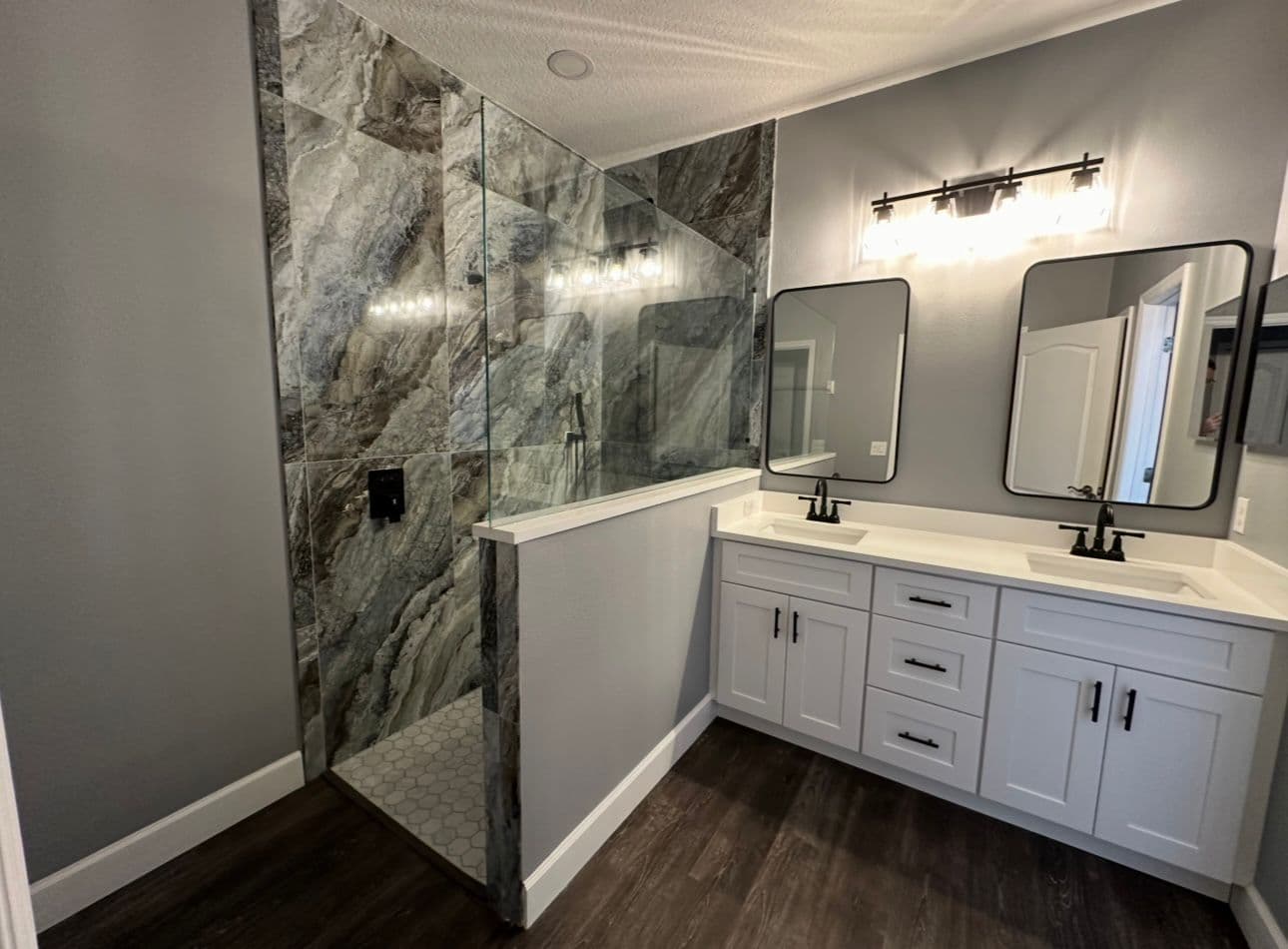
If your project is small, clearly defined, and unlikely to involve permits, plumbing moves, electrical changes, or hidden damage, a one-day remodeling project can be the right choice. It works best for cosmetic or light-functional updates that improve the look or usability of a room without turning the home into a construction zone for days or weeks.
What a one-day remodeling project really means
A one-day remodel is not a promise that every job can be completed in a single calendar day. It is a project approach built around a tightly controlled scope, preselected materials, and a crew that can complete the work with minimal interruption. In practice, that usually means the project is:
- small enough to be completed without major tear-out;
- planned in advance so there are no surprises on site;
- limited to one room or one feature area;
- not dependent on multiple trades working in sequence;
- unlikely to reveal hidden structural or water-related problems.
For homeowners in Southwest Florida, this kind of project is often attractive because it can fit around seasonal schedules, visiting family, or a sale listing. It can also be a smart option when you want a fresh look before guests arrive, but you do not want the hassle of a larger renovation.
That said, speed only helps when the scope is realistic. If the work starts simple and then uncovers rot, mold, or outdated wiring, the project may need more time and more coordination than planned.
The best mindset for a one-day project
Think of it as a convenience-driven update, not a full transformation. If you need a new layout, new plumbing locations, or a rebuilt shower, one day is usually too compressed to do the work carefully.
Good signs that a one-day project is a fit
A one-day remodel makes sense when the answers to most of these questions are “yes.”
1. The scope is narrow and already decided
A good one-day project has a clear finish line. You already know what is being changed and what is staying the same.
Examples might include:
- repainting a room or accent wall;
- replacing basic fixtures;
- updating hardware;
- swapping out trim or baseboards in a contained area;
- refreshing a small bathroom with simple cosmetic changes;
- improving lighting without changing the room’s electrical layout.
When the scope keeps shifting, the schedule becomes unreliable. Decisions made during the job tend to slow things down.
2. Materials are selected before work begins
One-day projects depend on preparation. If tile, paint, fixtures, and finish materials have already been chosen and delivered, the crew can move efficiently.
This matters because delays often come from missing parts, backordered items, or last-minute decisions. A project that waits on materials is no longer truly a one-day job, even if the physical labor is small.
3. The work does not require moving systems or walls
The simpler the job, the better the fit for a one-day schedule. If you are moving plumbing lines, changing electrical placement, or altering framing, the project is likely too complex.
A one-day remodel works best when it stays inside the existing footprint and uses the home’s current structure and utility locations.
4. You can live with temporary disruption
Even small remodels create dust, noise, and limited access. You may lose use of a bathroom for part of the day, or need to keep furniture and personal items out of the workspace.
If that temporary inconvenience is manageable, the project is a better candidate for a fast turnaround.
5. The job is about function or appearance, not customization
One-day projects are often ideal when the goal is a clean, practical refresh rather than a highly tailored buildout.
If you want a faster update to improve resale appeal or daily comfort, this approach can make sense. If you want custom cabinetry, a redesigned shower, or a major style change, the project likely needs more than a day.
Projects that often work well in one day
Not every small project is a true one-day fit, but many light updates are.
Cosmetic refreshes
These are often the strongest candidates because they usually do not require extensive demolition or inspections.
Examples include:
- interior painting;
- trim touch-ups;
- replacing outdated hardware;
- changing light fixtures;
- updating mirrors or vanity accessories;
- small dry-area finish upgrades.
Minor bathroom updates
Bathrooms can sometimes be updated in a short window if the job stays light and contained. A simple refresh may include new fixtures, a vanity swap without layout changes, or other surface-level improvements.
A deeper bathroom project, especially one involving tile showers or moisture issues, is a different category. If you are weighing a bathroom change and wondering whether it is still small enough to keep simple, this guide on how to choose a bathroom remodeling contractor in North Port can help frame the decision.
Small interior improvements before a life event
One-day work can be helpful when you are preparing for:
- out-of-town guests;
- holiday gatherings;
- photos for a home listing;
- a seasonal move-in or move-out;
- a quick rental turnover.
The value here is speed and predictability. You make the space feel cleaner, newer, or more functional without taking over the home for an extended period.
When a one-day remodel is not the right choice
Some projects look simple at first but need more time once the details are considered. Choosing a one-day approach in those cases can create stress, rushed decisions, or incomplete work.
Projects that likely need more than one day
Avoid forcing a one-day timeline when the project may involve:
- permit-triggering changes;
- drywall removal or framing work;
- tile shower rebuilds;
- cabinet replacement with a new layout;
- plumbing relocation;
- electrical relocation or major fixture changes;
- hidden water damage, rot, or mold;
- work that depends on multiple trades in sequence.
These issues add complexity and often cannot be fully understood until the space is opened up.
Why hidden problems change the schedule
Florida homes can reveal moisture-related issues once walls, flooring, or old finishes are removed. In Southwest Florida, that matters because humidity and water exposure can turn a “simple” update into a repair project.
If a wall, shower, or floor shows damage after demolition starts, the schedule may need to expand so the problem is addressed properly. That is one reason a careful inspection matters before anyone commits to a fast timeline.
For homeowners dealing with recurring bathroom moisture concerns, this article on why bathroom mold keeps coming back in North Port explains why surface updates alone may not solve the underlying issue.
Why rushing can be expensive
A compressed schedule can be helpful when the project is truly small. But if the job is more complicated than expected, rushing can increase the chance of mistakes, unfinished details, or repeat work.
That is why a realistic timeline matters more than the label “one-day.” The right question is not whether the work can be done quickly, but whether it can be done correctly in the time available.
How to decide before you book the job
A little planning helps you avoid choosing the wrong project format. Before you commit, walk through these questions.
1. What exactly is changing?
Write down the specific items involved. If the answer includes “maybe the layout,” “possibly the plumbing,” or “we will know once we open the wall,” the project may be too open-ended for one day.
2. Have all selections been made?
Confirm that finish materials, fixtures, colors, and sizes are already decided. A one-day project works best when the crew can arrive ready to install.
3. Could hidden damage stop the work?
If the space has a history of leaks, soft flooring, warped trim, staining, or cracked grout, there is a higher chance the job will uncover something that needs extra attention. In that case, plan for flexibility.
4. Will the room still function during the work?
Ask how the home will be affected while the project is underway. Will you need to avoid the room entirely? Can you leave furniture in place? Will water or power be shut off?
5. Is your goal speed or transformation?
If your main priority is a fast, orderly refresh, a one-day project may be ideal. If you want a more dramatic change, more design freedom, or a longer-lasting rebuild, a standard project timeline may be the better fit.
What homeowners in Southwest Florida should keep in mind
Local conditions shape remodeling decisions. In Southwest Florida, heat, humidity, and moisture exposure can turn certain minor-looking issues into bigger ones if they are ignored.
Humidity and moisture matter
Bathrooms, laundry rooms, entryways, and other high-use areas can show wear faster in a humid climate. Surface repairs may improve appearance, but they do not always solve moisture problems beneath the finish.
That is why one-day projects are best for updates that do not depend on uncovering hidden conditions.
Seasonal timing can help
Many homeowners prefer to schedule smaller projects between busy seasons, before visitors arrive, or when they want a quick update without a major disruption. That makes a one-day format especially appealing in this region.
Professional oversight still matters
Even a short project deserves careful planning and execution. A licensed general contractor can help keep the scope organized, coordinate the work, and identify when a project needs more than a fast cosmetic update.
If you are looking for local support for a smaller remodeling effort that still deserves careful handling, remodeling contractors Venice FL may be a good place to start.
Questions to ask before approving a one-day remodel
Use these questions to get clarity before the work begins.
Will the work stay within the existing layout?
This is one of the most important questions. If the answer is no, the project may not fit a one-day schedule.
What happens if hidden damage is found?
Ask how the job will proceed if water damage, rot, or outdated wiring appears after work starts. A good plan should explain whether the project pauses, expands, or changes scope.
What materials must be on site first?
Confirm that everything needed for the work is available before the crew arrives. Missing parts can derail the schedule.
How much disruption should I expect?
Even quick projects create some inconvenience. Know where dust barriers, access restrictions, and downtime may occur.
What parts of the job are not included?
This keeps expectations clear. A one-day project often focuses on a defined set of tasks, not every possible improvement in the room.
A practical rule of thumb
Choose a one-day remodeling project when the work is:
- small;
- clearly defined;
- low risk;
- unlikely to require permits;
- not dependent on structural changes;
- free of hidden damage concerns;
- and manageable within a short window of inconvenience.
If more than one of those points is uncertain, the project may be better handled as a standard remodel with a more flexible timeline.
In other words, one-day remodeling is best for a cosmetic or light-functional refresh, not a renovation that changes the structure, layout, or building systems.
FAQ
Is a one-day remodel always cheaper than a longer project?
Not always. Smaller scope often means less labor, but final cost still depends on materials, site conditions, and how much preparation is needed.
Can a bathroom really be remodeled in one day?
Sometimes, but only for limited updates. A full bathroom rebuild, shower replacement, or any work involving moisture damage usually needs more time.
What if the contractor finds hidden damage during the job?
The project may need to pause or expand. Hidden issues like rot, mold, or plumbing damage can change both the schedule and the scope.
Do one-day projects still need planning?
Yes. In fact, they depend on planning even more because there is less room for delay or indecision.
Are one-day projects a good choice before selling a home?
They can be, especially for cosmetic updates that improve presentation without major disruption. Just keep the changes realistic and consistent with the home’s condition.
Should I choose a one-day project if I want custom design work?
Usually not. Custom details, layout changes, and specialty finishes tend to need more time and coordination.
Bottom line
You should choose a one-day remodeling project when the job is small, well planned, and unlikely to uncover bigger issues. It is a smart option for homeowners who want a quick refresh, minimal disruption, and a clear finish line. If the project involves hidden damage, plumbing or electrical relocation, structural changes, or a major layout update, a longer remodel is usually the safer and more practical choice.
For Southwest Florida homeowners, the best one-day projects are the ones that solve a real need, improve the space, and stay within a scope that can be completed carefully and predictably.