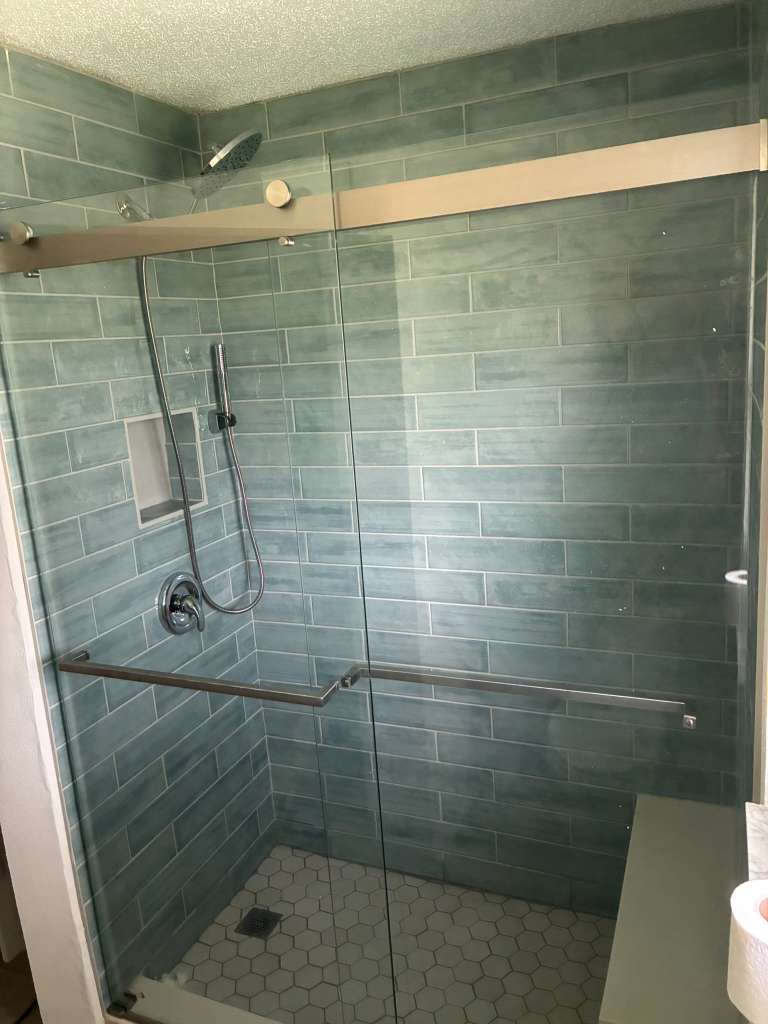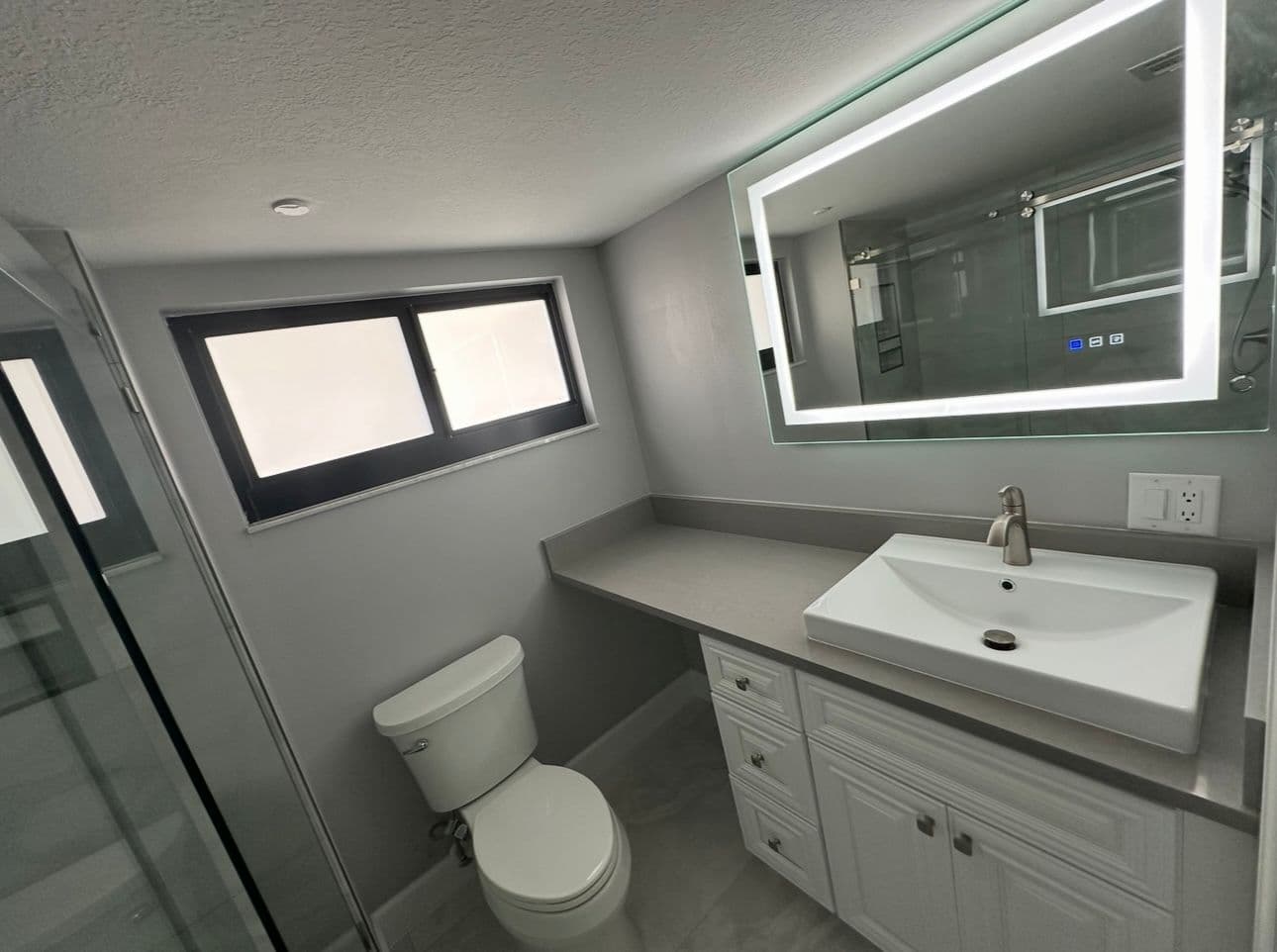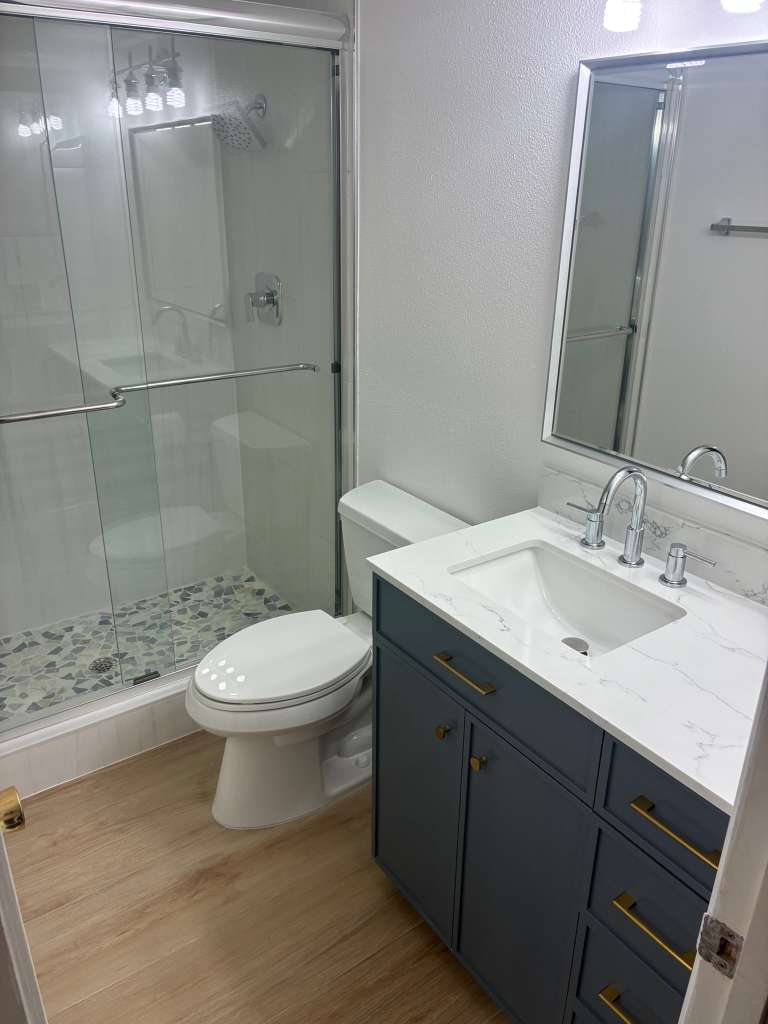
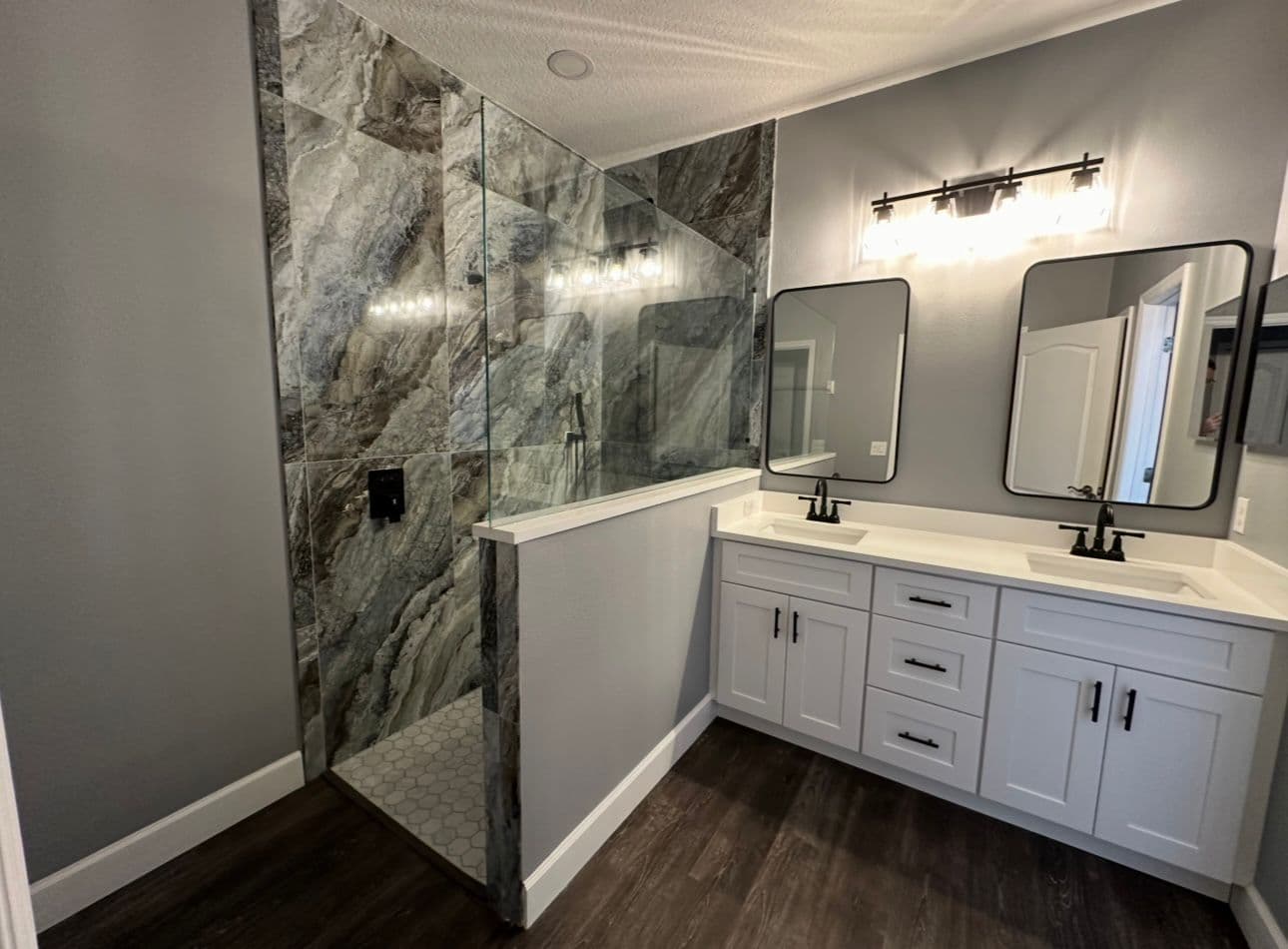
What paint sheen is best for a bathroom ceiling? For most bathrooms, the best choice is a flat or matte ceiling paint made for high-humidity spaces, preferably with mildew resistance. In Southwest Florida, that matters even more because warm, moist air can hang around long after a shower ends, so a standard flat ceiling paint may not hold up as well as a bath-rated formula.
The short answer: choose flat or matte, but make it bathroom-rated
A bathroom ceiling needs to do two things well: look good overhead and resist moisture-related problems. Flat and matte finishes are usually best because they hide small ceiling flaws, reduce glare, and keep the surface from looking overly shiny.
That said, not every flat paint is the same. For a bathroom, especially in a humid climate, the better choice is:
- flat or matte sheen
- mildew-resistant
- labeled for bathrooms or high-humidity areas
- suitable for ceilings, not just walls
If you’re comparing products and asking what paint sheen is best for a bathroom ceiling, that combination is usually the safest starting point.
Why flat or matte works so well on ceilings
It hides imperfections
Ceilings often have minor dents, patched seams, texture differences, or old repair marks. A flatter finish helps those issues disappear instead of emphasizing them.
It reduces glare
Bathrooms often have bright vanity lights, recessed lights, or daylight from a small window. A reflective finish on the ceiling can make imperfections more noticeable and create distracting shine.
It matches how ceilings are usually painted
Most ceiling paints are designed to be flat because that finish is forgiving and visually calm overhead. In many homes, that still makes the most sense for the ceiling surface.
Why Southwest Florida bathrooms need extra moisture resistance
Humidity is part of everyday life here, and bathrooms add even more moisture. That combination can be hard on paint, especially on the ceiling where warm steam collects.
Common issues in humid bathrooms
- mildew spotting
- paint discoloration
- peeling at seams or corners
- surface staining above showers or tubs
- frequent condensation after showers
A ceiling that looks fine in a drier climate may not perform the same way here if it isn’t made for moisture. That is why a bathroom-specific flat or matte product is usually better than a generic ceiling paint.
When the climate changes the answer
In a powder room or lightly used guest bath, a standard bathroom ceiling paint may be enough. In a primary bath, family bath, or any room with poor ventilation, choose a more durable formula designed to handle humidity. If the room is especially steamy, you may need to step up from a standard flat ceiling paint to a bath-rated product with a little more sheen.
When satin can make sense on a bathroom ceiling
Satin is not the default answer for most bathroom ceilings, but there are situations where it can be helpful.
Consider satin if the ceiling gets heavy steam
A ceiling directly over a shower, especially one with frequent use and limited ventilation, may benefit from a slightly higher sheen if the product is specifically rated for bathrooms and moisture resistance.
Know the tradeoff
Satin is generally easier to clean and can handle moisture better than a plain flat finish, but it also reflects more light. That means:
- imperfections may show more
- patched areas may stand out
- the ceiling can look shinier than many homeowners want
So satin is usually a practical backup option, not the first choice, unless the room conditions justify it.
What to avoid when painting a bathroom ceiling
Ordinary flat ceiling paint in a steamy bathroom
A basic flat ceiling paint may look good at first, but it is not always the best choice for a moisture-heavy bathroom in Southwest Florida. If the product is not rated for damp or humid spaces, it may be more likely to show wear sooner.
Very glossy finishes
Gloss and semi-gloss are usually too reflective for ceilings. They can call attention to texture, repairs, and uneven surfaces, which is the opposite of what most homeowners want overhead.
Using wall paint just because it is left over
Leftover wall paint may not be appropriate for a ceiling, especially if it is not formulated for humidity or mildew resistance. It can also create a different look than the rest of the room, which is noticeable on a large overhead surface.
How to choose the right finish for your bathroom
Step 1: Look at where the ceiling sits
Ask how much moisture the ceiling will actually see:
- light-use half bath: flat or matte bathroom paint is usually fine
- standard full bath: flat or matte mildew-resistant paint is usually best
- shower-heavy primary bath: consider bath-rated flat first, then satin if the product calls for it
Step 2: Check the label, not just the sheen
The sheen matters, but the product type matters just as much. Look for wording that suggests:
- bathroom use
- mildew resistance
- high-humidity performance
- ceiling application
Step 3: Think about ventilation
A good exhaust fan and proper use of it can help any ceiling finish last longer. Paint is not a substitute for ventilation, but better airflow can reduce the strain on the coating.
Step 4: Match the paint to the room’s wear and tear
A ceiling over a tub or shower may need a more durable product than a ceiling in a small hall bath with little steam. The right answer depends on the room, not just the color or finish.
Practical recommendation for homeowners
If you want the simplest answer: use a mildew-resistant flat or matte bathroom ceiling paint for most bathroom ceilings.
That choice gives you:
- a clean, low-glare look
- better hiding of imperfections
- better performance than a basic ceiling paint in humid conditions
If the ceiling gets direct steam or frequent condensation, move up only if the product is specifically designed for bathrooms and moisture resistance. Satin can be a reasonable choice in those conditions, but it is not automatically better for every bathroom ceiling.
For homeowners planning updates beyond paint, it can also help to think about the whole room’s moisture management. A better fan, repaired drywall, sealed grout, and a ceiling paint that fits the space often work together. If you are considering a larger update, bathroom remodel port charlotte fl may be useful to review alongside your paint choices.
A few real-world examples
Guest bath with occasional use
A flat or matte bathroom-rated ceiling paint is usually enough. The ceiling is less exposed, and the main goal is a smooth, clean look.
Family bath with daily showers
Choose a mildew-resistant flat or matte paint made for humid rooms. This gives a good balance of appearance and durability.
Bathroom with shower steam and weaker ventilation
Look for a bathroom-specific ceiling product and consider a slightly higher sheen only if the manufacturer recommends it for that environment.
Ceiling with patch repairs or texture issues
Flat or matte is usually the best visual choice because it hides flaws better than satin or semi-gloss.
How this relates to mold and recurring bathroom moisture issues
Paint sheen alone will not solve moisture problems. If a bathroom keeps getting mildew, staining, or peeling paint, the underlying cause may be ventilation, leaks, or trapped moisture in the ceiling assembly. In that case, the right finish helps, but it is only one part of the fix.
If you are dealing with recurring mildew concerns, this related guide may help: why bathroom mold keeps coming back north port.
FAQ
Is flat paint good for a bathroom ceiling?
Yes, flat paint is often the best-looking choice for a bathroom ceiling because it hides imperfections and reduces glare. For bathrooms, it should ideally be a mildew-resistant formula made for humid spaces.
Should I use eggshell or satin on a bathroom ceiling?
Usually not unless the ceiling gets a lot of steam and the product is specifically rated for bathrooms. Satin can handle moisture better than flat, but it shows more flaws and has more shine.
Can I use regular ceiling paint in a bathroom?
You can in some low-moisture bathrooms, but it is not the best choice in a humid climate like Southwest Florida. A bathroom-rated, mildew-resistant ceiling paint is generally a safer option.
What sheen is easiest to clean on a bathroom ceiling?
Higher sheens are easier to wipe, but they also show more imperfections. For most homeowners, the better balance is a mildew-resistant flat or matte paint unless the ceiling sees heavy steam.
Does a bathroom ceiling need special paint?
It often does, especially in humid homes. Look for paint labeled for bathrooms, high-humidity rooms, or mildew resistance to improve durability.
What if the ceiling is above the shower?
That area sees the most steam, so product selection matters even more. A bath-rated flat finish is usually a good starting point, and satin may be appropriate only if the manufacturer recommends it for that level of moisture.
Bottom line
For most homeowners in Southwest Florida, the best paint sheen for a bathroom ceiling is a mildew-resistant flat or matte finish made for high-humidity areas. It gives you the cleanest look, hides flaws, and performs better than ordinary ceiling paint in a steamy room. If the ceiling is directly over a shower or gets a lot of moisture, a bath-rated satin may be worth considering, but only when the product is designed for that use.
If you are planning a broader bathroom update and want the room to perform better overall, general contractors north port fl can be a helpful starting point for homeowners looking at remodeling options.