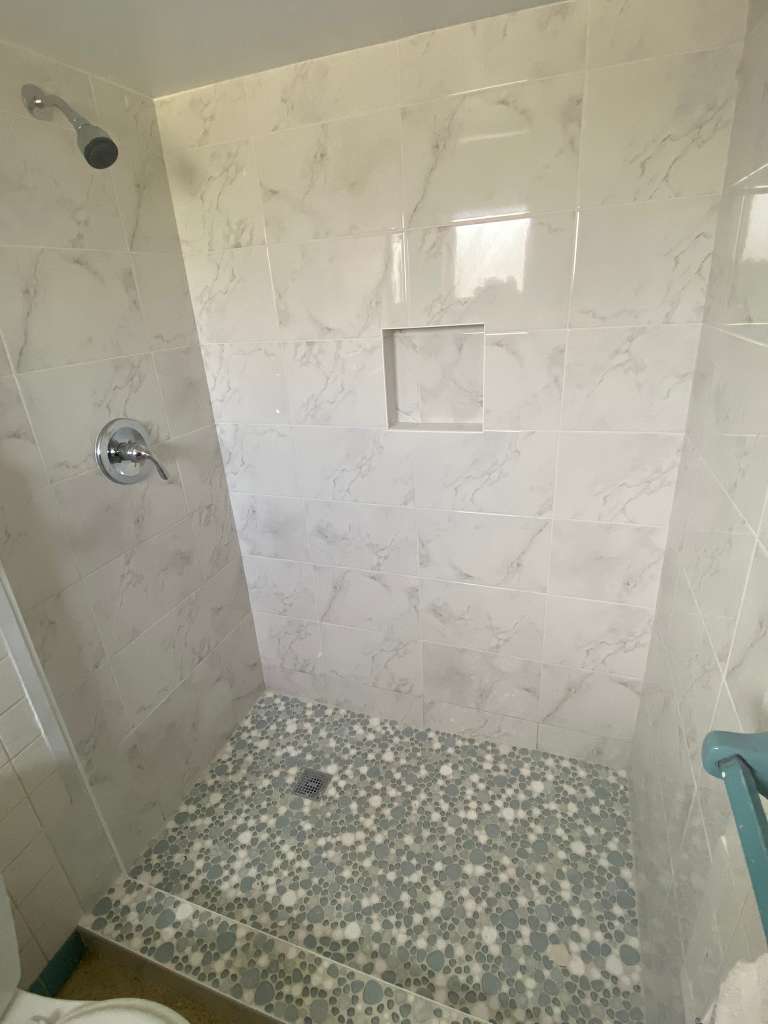
A shower surround is the wall system that encloses a shower area and helps keep water where it belongs. In plain terms, if you’ve ever asked, what is a shower surround?, it is the finished surface around the shower walls—often a prefabricated panel system—designed to create a water-resistant, easier-to-clean enclosure. It can be used for a shower stall or a tub-and-shower combination, and it is often chosen as an alternative to traditional tile.
For many Southwest Florida homes, a shower surround is appealing because it can simplify maintenance in a humid climate. Fewer grout lines usually means fewer places for mildew, soap scum, and moisture-related wear to collect. That does not make a surround maintenance-free, but it can make daily care more straightforward than caring for a tiled wall assembly.
Shower surround basics
What it includes
A typical shower surround covers the walls inside the shower area. Depending on the product and layout, it may include:
- Wall panels for the back and side walls
- Corner trim or joining pieces
- Sealant at seams and edges
- A compatible base or tub flange detail
Some systems come as one-piece units, while others are made from multiple panels that are installed together. The exact parts depend on the manufacturer and the shower configuration.
What it is made of
Shower surrounds are commonly made from materials such as:
- Acrylic
- Composite materials
- Vinyl
- Other manufactured wall panel products
These materials are usually selected because they are lightweight, water-resistant, and relatively easy to wipe down. Appearance varies widely, from simple solid colors to patterns that try to mimic stone or tile.
Shower surround vs. tile shower walls
A shower surround is not the same thing as a tiled shower wall, although both create a finished bathing area. The biggest differences are usually in seams, upkeep, and installation approach.
Why homeowners choose a surround
A surround can be a practical choice when you want:
- A smoother, less grout-heavy surface
- Faster cleaning
- A more streamlined look
- A wall system that may be simpler to install than tile
Why some homeowners still prefer tile
Tile remains popular because it offers more design flexibility and a more custom appearance. It may also be better suited to certain remodels where the homeowner wants a more premium or highly personalized finish. That said, tile requires more detailing, and grout upkeep can be a real consideration in a moisture-prone bathroom.
If grout cracking or recurring maintenance has already been a problem, it may help to read why shower grout keeps cracking in Florida before deciding between a surround and tile.
Common shower surround installation types
Glue-up systems
Glue-up surrounds are installed by bonding panels directly to an appropriate wall surface. This approach typically depends on a clean, stable substrate and the right adhesive for the product being used. The wall preparation matters, because a poorly prepared surface can affect how the panels bond and perform over time.
Direct-to-stud systems
Direct-to-stud systems are designed to attach to the framing rather than over an existing finished wall in the same way a glue-up panel might. These installations can be useful during larger remodels where the wall assembly is being rebuilt or reconfigured.
One-piece and multi-piece options
Some surrounds are formed as one large unit, while others use multiple panels. Each has its own tradeoffs:
- One-piece units may reduce seams but can be harder to handle in tight spaces
- Multi-piece systems may be easier to fit through doorways and around bathroom layouts
The right choice depends on the shower size, access to the space, and the product design.
Benefits of a shower surround in Southwest Florida
Southwest Florida bathrooms deal with moisture, heat, and heavy everyday use. That makes the wall finish around the shower especially important.
Easier cleaning
A major benefit of a shower surround is reduced grout maintenance. Many homeowners find panel systems easier to wipe down after use, especially compared with tile and grout lines that can hold residue.
Better moisture management
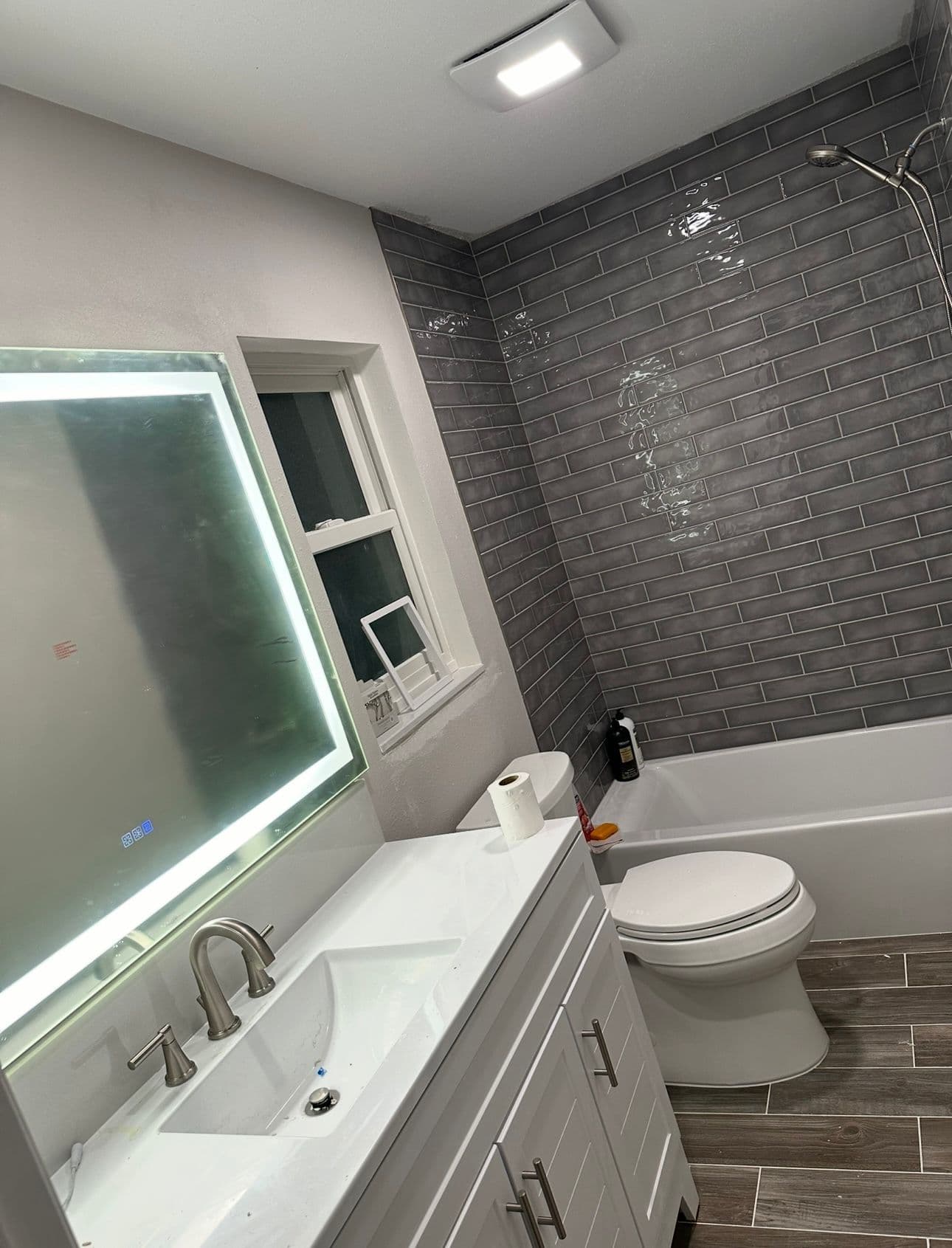
A properly installed surround creates a finished barrier around the shower walls. That can help reduce exposure of the wall assembly to frequent splashing and steam. Good moisture control still depends on correct installation, proper sealing, and a sound substrate behind the panels.
A straightforward look
Surrounds can create a clean, uniform appearance that works well in many Florida homes, especially in guest baths, secondary bathrooms, and spaces where function matters as much as design.
What matters before installation
A shower surround may sound simple, but performance depends on the details behind the finished wall.
Substrate condition
The wall surface or framing behind the surround needs to be suitable for the chosen product. If the existing walls are damaged, out of square, or compromised by moisture, they may need work before installation.
Adhesive and sealant
Manufacturers usually specify what type of adhesive, sealant, and fasteners should be used. Following those instructions matters because different materials and panel systems may require different installation methods.
Layout and compatibility
Not every surround fits every shower. Measurements, plumbing locations, shower base dimensions, and wall height all need to line up. Some products are built for a shower only, while others are meant for a tub-shower combo.
Ventilation and daily use
Even with a good surround, proper bathroom ventilation remains important. In a humid region, airflow can help reduce lingering moisture after showers and support the overall condition of the bathroom.
When a shower surround makes sense
A surround is often a practical option when homeowners want a more low-maintenance wall finish without the upkeep of grout. It can be a good fit for:
- Hall bathrooms
- Guest bathrooms
- Tub-to-shower updates
- Remodels focused on easier cleaning and everyday use
It may also make sense when the existing shower walls are worn, heavily patched, or difficult to maintain.
When to consider other options
A surround may not be the best answer if you want a highly customized tile design, a very specific luxury finish, or a wall treatment that relies on stone or decorative tilework. In those cases, the design goals and budget will likely point in a different direction.
Planning a bathroom update around a shower surround
If you are thinking about a shower wall update, it helps to look at the whole bathroom instead of just the walls around the shower.
Questions to ask first
- Is the current shower base in good shape?
- Are there signs of hidden moisture damage?
- Do you want a shower-only setup or a tub-shower combo?
- How much maintenance are you comfortable with?
- Do you prefer a streamlined look or a custom tile design?
Why the surrounding conditions matter
If the shower has had recurring water issues, mold, or cracked grout, it may be worth addressing the underlying cause before installing a new finish. Surface updates alone will not solve a problem if moisture is getting in behind the wall system.
For a broader look at bathroom updates in the area, you may also find bathroom remodel port charlotte fl helpful when planning the right scope for your home.
Choosing the right shower surround for your home
There is no single best shower surround for every bathroom. The right choice depends on the shower size, the condition of the walls, the level of maintenance you want, and the look you prefer.
Compare these factors
- Material and finish
- Number of seams
- Ease of cleaning
- Compatibility with the existing shower or tub
- Installation method
- Long-term upkeep expectations
Think about the room as a whole
A shower surround is one part of the bathroom, but it affects the feel and function of the entire space. In a smaller bathroom, a lighter-looking surround can make the room feel cleaner and less busy. In a larger primary bath, a more refined panel style may better match the rest of the finishes.
Practical takeaways for homeowners
A shower surround is the wall system that finishes and protects the shower area. It is usually made from prefabricated panels rather than individual tiles, and it is often chosen for its simpler maintenance and moisture-resistant qualities. For Southwest Florida homeowners, it can be a sensible option when the goal is to reduce grout upkeep and create a clean, durable shower enclosure.
The best results depend on proper fit, suitable wall conditions, and correct installation materials. If you are comparing a surround with tile, or if your bathroom has signs of moisture damage, it is worth evaluating the full wall assembly before making a decision.
FAQ
What is a shower surround used for?
A shower surround is used to cover the walls around a shower or tub-shower area and create a finished, water-resistant enclosure.
Is a shower surround the same as tile?
No. A shower surround is usually made from prefabricated wall panels, while tile uses individual pieces with grout joints.
Are shower surrounds easier to clean than tile?
Often, yes. Because surrounds usually have fewer grout lines, they are generally simpler to wipe down and maintain.
Can a shower surround be installed over existing walls?
Sometimes, depending on the product and the condition of the existing wall surface. Other systems require direct-to-stud installation or a different substrate.
Are shower surrounds only for showers?
No. Some are made for shower stalls, while others are sized for tub-and-shower combinations.
What should I check before choosing one?
Check the wall condition, shower dimensions, product material, installation requirements, and whether you want a shower-only or tub-shower setup.