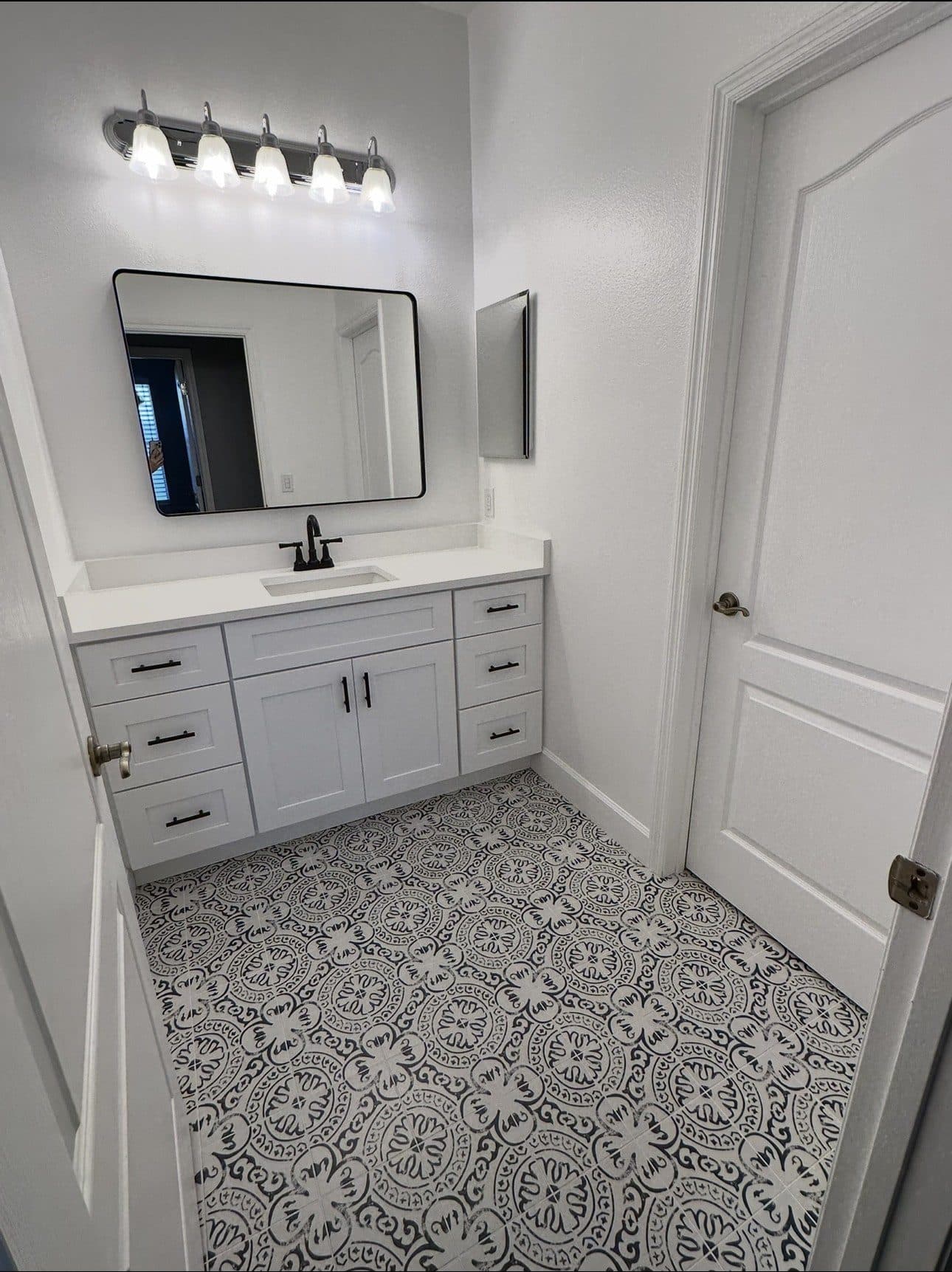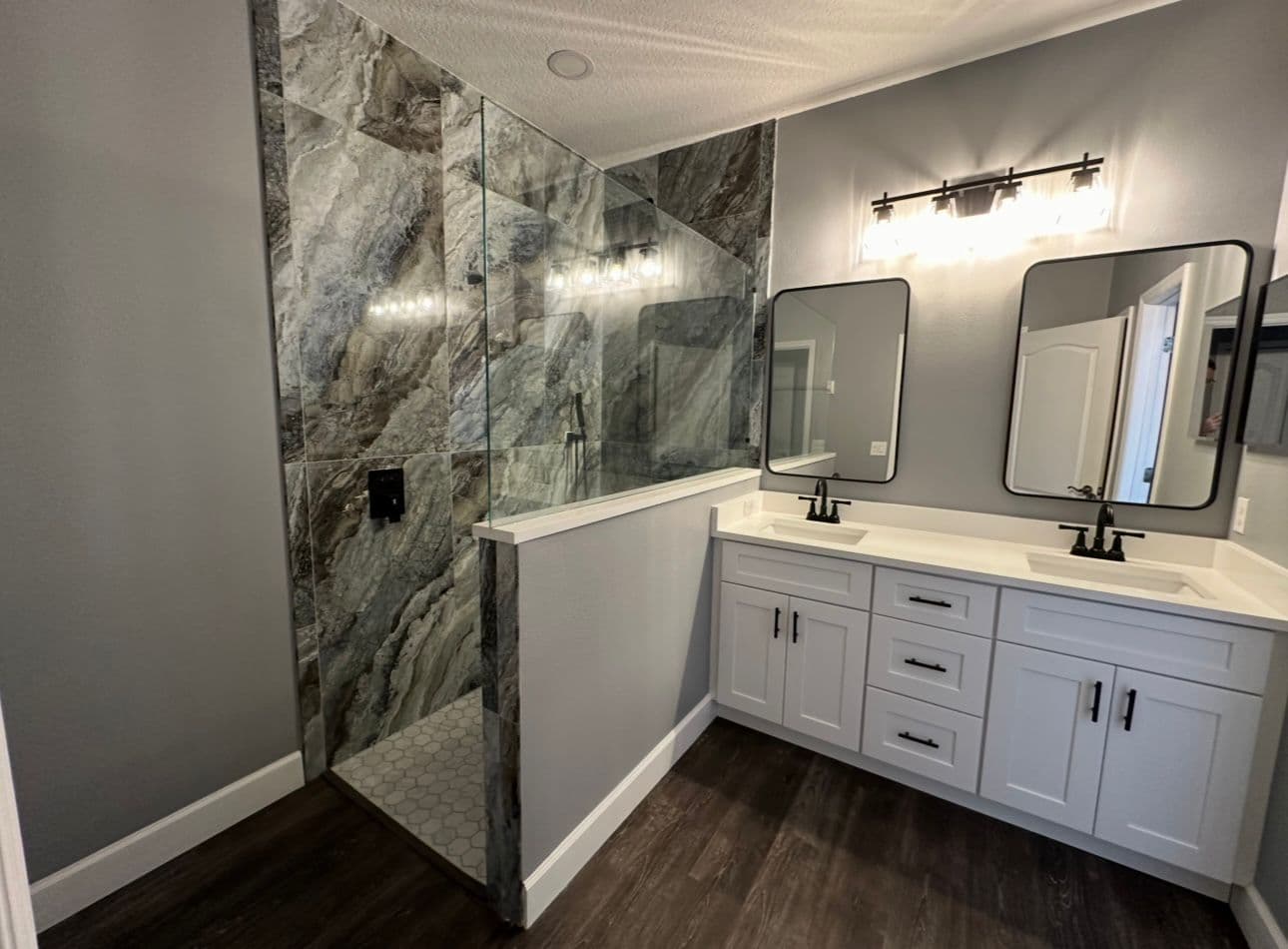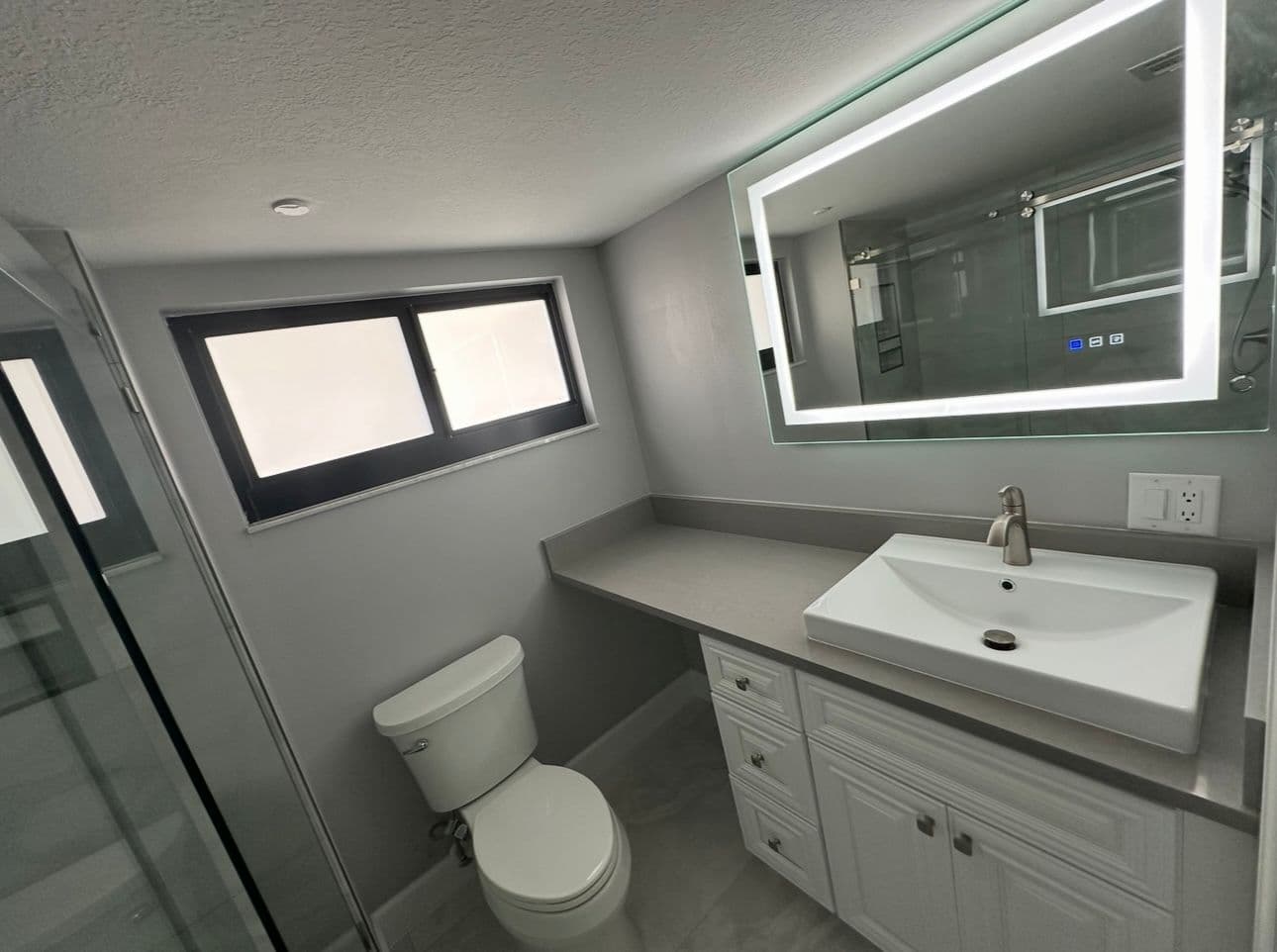
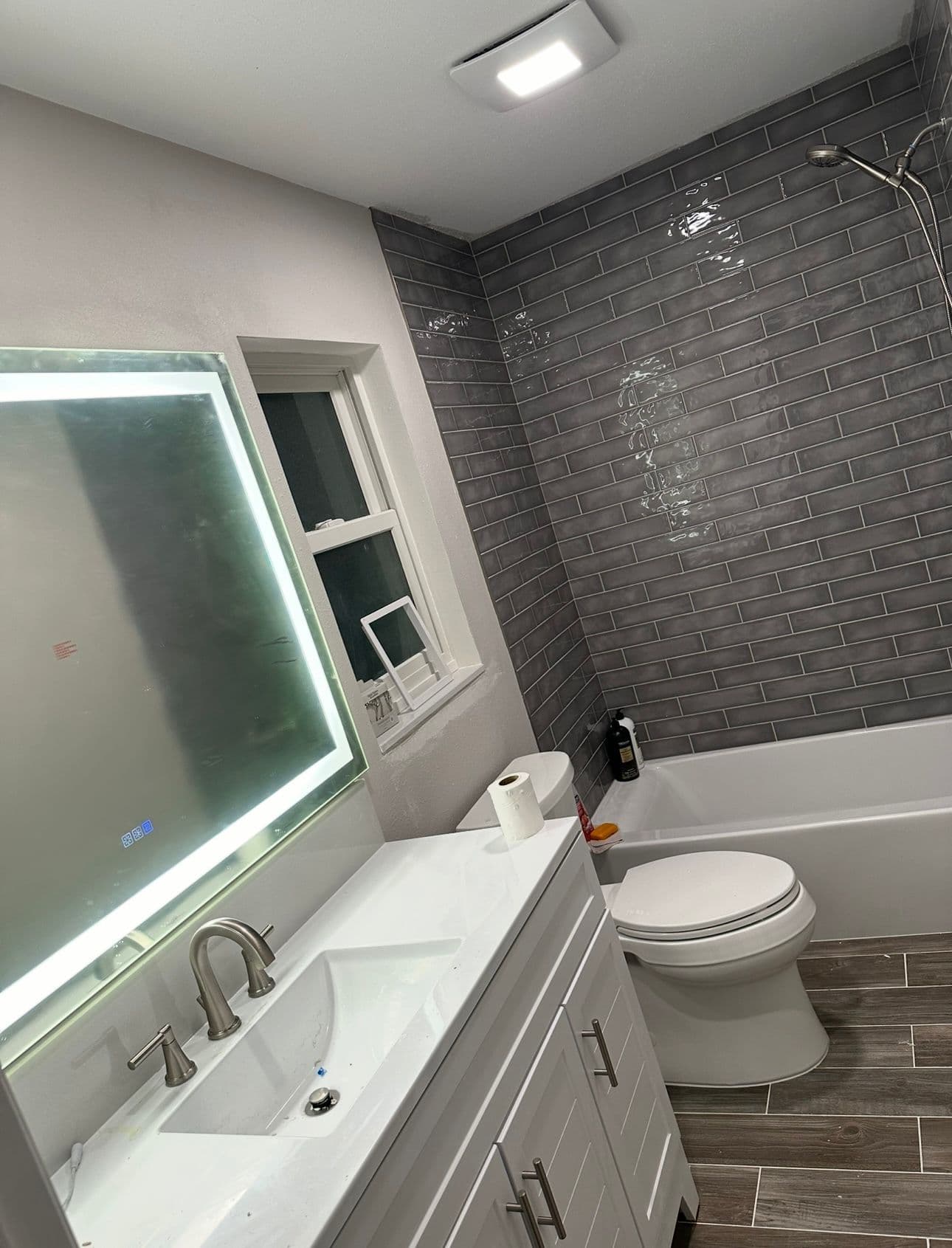
Mixing metals in bathroom fixtures is absolutely doable when you do it on purpose: choose one dominant finish, limit yourself to one accent metal, and repeat both finishes in a few places so the room feels coordinated instead of random. It is a design decision, not a plumbing-code issue, but the finish combinations still need to make sense with the style of the bathroom and the materials around them.
Start With the simple answer
If you are asking, “how do you mix metals in bathroom fixtures?” the short answer is to pick one hero finish for the biggest visual pieces and then add one accent finish in smaller doses. A common rule of thumb is about two-thirds dominant metal and one-third accent metal. That ratio is not a law, but it is a helpful way to keep the room balanced.
In a bathroom, the most visible items usually include the sink faucet, shower trim, towel bars, cabinet pulls, mirror frame, and lighting. When those pieces are chosen randomly, the room can feel busy. When they are selected as part of a plan, mixed metals can add warmth, depth, and contrast.
Choose a dominant finish first
Before you buy anything, decide which finish should lead the room.
What the hero finish does
The dominant metal is the one you want people to notice first. It should usually appear on the largest or most repeated items, such as:
- sink faucet
- shower trim
- tub filler
- towel bars
- cabinet hardware
- lighting accents
If you keep the biggest items in the same finish, the bathroom feels grounded even when you add a second metal.
How to pick the right main finish
Think about the rest of the room:
- Bright, coastal, or modern bathrooms often work well with chrome, polished nickel, or brushed nickel.
- Traditional, warm, or softer bathrooms often look good with brass, bronze, or gold-toned finishes.
- A transitional bathroom can bridge both styles by pairing a neutral main finish with a warm accent.
In Southwest Florida, homes often lean toward light, airy interiors that feel easy to maintain in humid weather. That does not mean one finish is always better, but it does mean the metal choice should support the overall mood rather than fight it.
Use one accent metal only
One of the easiest ways to mix metals successfully is to stop at two finishes.
Why one accent works best
Too many finishes can make a bathroom feel scattered. One accent metal gives the eye a second note without creating noise. For example:
- chrome faucet with brushed brass mirror frame
- brushed nickel faucet with bronze sconces
- polished nickel shower trim with brass cabinet pulls
That approach keeps the room intentional and easier to style.
A practical balance to follow
A useful guideline is:
- 2/3 dominant metal
- 1/3 accent metal
This does not have to be exact. What matters most is that one finish clearly leads while the other supports it.
Match the finish to the room style
The same metal can read differently depending on how shiny, soft, or aged it looks.
Cool metals
Cool finishes tend to feel crisp and fresh.
Examples include:
- chrome
- polished nickel
- brushed nickel
- stainless steel
These are often a good fit for bathrooms that feel clean, bright, and contemporary.
Warm metals
Warm finishes add richness and contrast.
Examples include:
- brass
- gold
- bronze
These finishes can soften an all-white bathroom, add character to a neutral space, or create a more classic feel.
Polished versus brushed
The finish texture matters as much as the color:
- Polished or shiny finishes tend to feel more contemporary.
- Brushed, satin, or aged finishes often feel softer, more relaxed, or more traditional.
If your bathroom gets strong natural light, shiny finishes can look especially bright. If you want a calmer, more textured look, brushed finishes may be a better choice.
Repeat the metals in a pattern
Mixed metals look intentional when they repeat in a clear rhythm.
Good places to echo each finish
Instead of scattering metals randomly, repeat them in multiple spots such as:
- faucet and cabinet pulls
- mirror frame and light fixture accents
- shower trim and towel hook
- tub filler and shelf hardware
This repetition helps the eye understand the design.
What intentional mixing looks like
A coordinated bathroom might use:
- chrome on plumbing fixtures
- brushed brass on mirror edging and hardware
- matching brass in the lighting detail
Or it might use:
- brushed nickel on faucet and shower trim
- matte black only on the mirror and sconces
The point is not that every finish must match perfectly. The point is that every finish should have a job.
Avoid the most common mistakes
Mixed metals can fail when the room has no clear plan.
Don’t mix too many similar warm tones
Brass, bronze, and gold can look beautiful, but too many close variations can start to feel accidental. If you are mixing warm metals, make sure the difference is obvious enough to read as a design choice.
Don’t spread finishes randomly
If one towel ring is brass, the faucet is chrome, the light fixture is black, and the cabinet hardware is nickel with no repeating pattern, the room can lose visual order. Repetition matters more than variety.
Don’t let the hardware compete with the tile
Bathrooms already have a lot of visual elements: tile, glass, paint, counters, mirrors, and cabinetry. If the surfaces are busy, keep the metals simpler. If the room is very plain, a bolder accent finish may be helpful.
A good formula for Southwest Florida bathrooms
Southwest Florida homes often lean toward light colors, bright interiors, and finishes that feel fresh in humid, coastal conditions. That does not require a single “right” metal, but it does make some combinations especially practical.
For coastal, modern, or bright bathrooms
A common approach is:
- main finish: chrome or polished nickel
- accent finish: brushed brass
This pairing gives you a clean base with just enough warmth to keep the room from feeling cold.
For traditional or warmer bathrooms
A common approach is:
- main finish: brushed brass or bronze
- accent finish: chrome or nickel
This gives the space a little depth while keeping it grounded and livable.
For homes with a transitional look
If your bathroom sits between styles, you can combine:
- brushed nickel and brass
- polished nickel and black
- chrome and warm bronze accents
The key is to make the contrast feel purposeful and limited.
Think beyond the fixtures themselves
Metal finishes are not just for faucets and shower heads.
Where else mixed metals can show up
You can carry the same idea through:
- vanity pulls
- mirror frames
- vanity lights
- shelving brackets
- robe hooks
- shower door hardware
- tub filler trim
When the same two metals appear throughout the room, the design feels more complete.
Keep plumbing and decorative finishes in perspective
Some items in the bathroom are mostly functional, while others are mostly decorative. That makes it easier to mix finishes without making the room feel overdesigned. For example, you might keep plumbing fixtures consistent and let the decorative hardware carry the accent metal.
What about plumbing and code?
Mixing metals in bathroom fixtures is a design issue, not a plumbing-code problem. Florida plumbing requirements focus on approved materials, proper installation, and corrosion resistance. They do not prohibit coordinated decorative finishes.
That said, finish choices should still be made carefully. Some materials and finishes hold up better than others in a humid environment, and the right selection depends on the specific products you choose.
If you are planning a broader update, it can help to talk through the fixture layout, finish choices, and moisture-related details together. For homeowners comparing options in the area, a bathroom remodel port charlotte fl project often benefits from planning the fixtures and finishes at the same time.
A simple step-by-step way to choose mixed metals
1. Pick the dominant metal
Choose the finish that will appear on the biggest or most repeated items.
2. Choose one accent metal
Limit yourself to one extra finish so the room stays cohesive.
3. Match the style of the bathroom
Use cooler, shinier finishes for a clean modern look and warmer, brushed finishes for a softer one.
4. Repeat each finish at least twice
That repetition tells the eye the choice was deliberate.
5. Check the room as a whole
Look at tile, paint, countertops, mirrors, and lighting before you decide.
Examples of balanced combinations
Here are a few simple ways mixed metals can work in a bathroom:
- Chrome faucet + brushed brass mirror frame + chrome towel bars
- Brushed nickel shower trim + brass cabinet pulls + nickel light fixture
- Polished nickel sink faucet + matte black sconces + nickel shower hardware
- Bronze vanity hardware + chrome plumbing fixtures + bronze mirror detail
Each example keeps one finish in control while the second finish adds contrast.
When to keep everything the same
Mixed metals are not required. Sometimes a single finish is the better choice.
Single-finish designs work well when
- the bathroom is very small
- the tile pattern is already busy
- the room needs a calm, simple look
- you want a timeless layout with less visual contrast
If you are unsure, a mostly single-finish bathroom with one small accent is often the safest starting point.
Frequently asked questions
Can you mix metals in bathroom fixtures without it looking mismatched?
Yes, if you choose one dominant finish, use only one accent finish, and repeat both in a pattern.
What metals mix best in a bathroom?
Chrome, nickel, and brass combinations are common because they create clear contrast without feeling chaotic. The best pair depends on your bathroom style.
Is it okay to mix brushed and polished finishes?
Yes. In fact, mixing texture can help the room feel more intentional. A brushed finish can soften a polished finish.
Should the faucet and shower fixtures match?
They do not have to match perfectly, but they should relate to the same design plan. Many bathrooms look best when the main plumbing fixtures share one finish.
How many metals are too many?
Two is usually the safest number. Three can work in some rooms, but only if the finishes are clearly coordinated.
Do mixed metals affect bathroom function?
No. The concern is mostly visual, not functional, as long as the products are appropriate for bathroom use and properly installed.
If you are planning a larger update and want the finishes, layout, and moisture details to work together, it helps to think through the whole project from the start. Homeowners looking for a broader renovation can review bathroom remodeling ideas north port home value for more planning context.
Final takeaways
Mixed metals can make a bathroom feel layered and custom, but only when the choices are controlled. Start with one dominant finish, use one accent metal, and repeat both metals in a few key places so the room reads as intentional. For many Southwest Florida homes, a bright main finish with a warm accent—or the reverse—creates a balanced look that feels right at home in a coastal setting.
If you keep the palette simple and the placement consistent, mixed metals can improve the bathroom without overwhelming it.