Bathroom mold is caused by moisture that stays on surfaces long enough for mold to grow. In other words, if a bathroom keeps getting damp from steam, humidity, leaks, or condensation and does not dry out quickly, mold can start to spread. In Southwest Florida, where warm air and high humidity already make it harder for rooms to dry, this problem can happen faster and more often than many homeowners expect.
Why bathroom mold starts in the first place
Mold does not appear out of nowhere. It needs moisture, and bathrooms create plenty of it. Showers, baths, sinks, toilets, wet towels, and even everyday breathing can add water vapor to the air. When that moisture is not removed or dried out, it settles on cooler surfaces and gives mold the conditions it needs.
The short answer
The most common answer to what causes mold in a bathroom is uncontrolled moisture. That moisture may come from:
- Shower or bath steam that lingers too long
- High indoor humidity
- Condensation on mirrors, ceilings, walls, pipes, or tile
- Slow or hidden plumbing leaks
- Poor exhaust ventilation
- Materials that stay wet longer than they should
Common moisture sources that lead to mold
Shower steam and daily humidity
A hot shower can fill the room with warm, wet air in just a few minutes. If that air has nowhere to go, humidity rises and moisture settles on the nearest cooler surfaces. Grout lines, painted drywall, vanity cabinets, and even the ceiling can stay damp long enough for mold to develop.
This is especially true when the bathroom fan is weak, turned off too soon, or missing altogether. A fan that runs during and after showering can help remove moisture before it becomes a problem.
Condensation on cool surfaces
Condensation forms when warm, moist air hits a cooler surface. In bathrooms, that often means:
- Mirrors
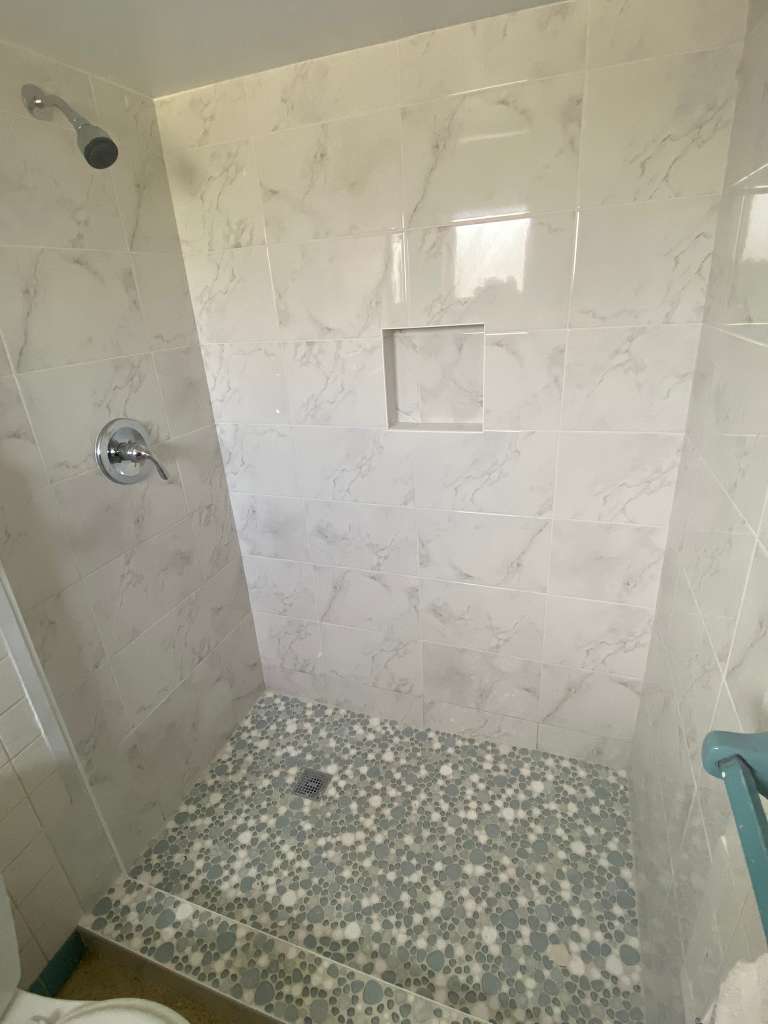
- Tile walls
- Metal fixtures
- Toilet tanks
- Supply pipes
- Exterior walls
- Ceiling corners
If you regularly see water beading up after showers, that is a sign the room is holding too much moisture. Over time, repeated condensation can keep certain areas damp enough for mold to grow.
Plumbing leaks and hidden water
Not all bathroom mold comes from obvious wet surfaces. Small leaks can slowly feed moisture into wall cavities, subfloors, trim, or cabinetry. Common sources include:
- Toilet base leaks
- Loose supply connections
- Tub or shower plumbing leaks
- Sink drain leaks
- Failed caulk or grout around wet areas
- Leaks behind walls or under floors
Because hidden leaks can go unnoticed, a musty smell, peeling paint, soft drywall, or recurring spots of discoloration may be the first clue.
High humidity in Southwest Florida homes
Southwest Florida’s climate adds another layer to the problem. Warm, humid air can make it harder for a bathroom to dry out between uses. Even if there is no active leak, high indoor humidity can keep the room damp enough for mold to thrive.
When outdoor air is already loaded with moisture, opening a bathroom window does not always solve the problem. In some cases, it can even bring more humidity inside. That is why ventilation, dehumidification, and fast drying matter so much here.
Wet materials that dry slowly
Some bathroom materials hold water longer than others. If they stay damp, they can become a growth surface for mold.
Examples include:
- Caulk lines
- Grout joints
- Bath mats
- Fabric shower curtains
- Rugs
- Wet drywall
- Unsealed wood trim
- Cabinet bottoms near sinks
If these items are not cleaned and dried regularly, moisture can collect in places that are easy to overlook.
Why poor ventilation makes the problem worse
A bathroom fan is not just a convenience. It is one of the main tools that helps keep moisture from building up. When ventilation is weak, broken, or underused, steam and humidity remain in the room much longer than they should.
Signs ventilation may be failing
You may have a ventilation problem if you notice:
- The mirror stays foggy long after showering
- The ceiling feels damp after baths
- The room smells musty
- Paint begins to peel or bubble
- Mold returns soon after cleaning
- Condensation collects around windows or vents
If your bathroom fan is noisy, barely moving air, or not vented properly to the outside, it may not be doing enough to reduce moisture.
Why this matters in humid climates
In a drier climate, a bathroom might dry out on its own fairly quickly. In Southwest Florida, that is less likely. The combination of indoor steam and humid outdoor air can slow evaporation, making the room stay damp longer.
For homeowners dealing with repeated mold, the problem is often not just what you see on the surface. It is the moisture pattern behind it.
Surfaces and materials that mold likes to grow on
Mold does not need a large flood to start growing. Small, repeated dampness is often enough. Some bathroom materials are especially vulnerable because they hold moisture or are hard to dry completely.
Materials that can trap moisture
- Painted drywall near showers or tubs
- Grout that is worn, cracked, or porous
- Caulk that has separated from the wall or tub
- Wood trim and baseboards
- Vanity cabinets with hidden damp spots
- Linens and bath rugs left on the floor
Why repeated cleaning may not be enough
Cleaning visible mold can help remove the stain and surface growth, but it does not solve the source of the moisture. If the room keeps getting damp, the mold often comes back.
That is why homeowners sometimes feel stuck in a cycle of cleaning, scrubbing, and repainting without lasting results. The real fix usually involves identifying where the moisture is coming from and how long the room stays wet.
For more on that cycle, see why bathroom mold keeps coming back.
Warning signs your bathroom has a moisture problem
Bathroom mold often starts before you can see black spots on the wall. The early signs are usually subtle.
Common clues to watch for
- Musty or stale smell
- Foggy mirrors that take a long time to clear
- Damp drywall or peeling paint
- Discolored grout or caulk
- Soft spots around the tub, toilet, or sink
- Water stains on ceilings or walls
- Persistent mildew around the shower edge
- Rust or corrosion on hardware near wet areas
When the issue may be hidden
If the bathroom looks clean but still smells damp, the moisture source may be hidden behind the wall, under the flooring, or in the ceiling above. That is one reason recurring mold should be taken seriously instead of simply cleaned and ignored.
How homeowners can reduce bathroom mold risk
Preventing mold is mostly about controlling moisture consistently, not just after a problem appears.
Practical steps that can help
- Run the bathroom fan during showers and for a while afterward.
- Wipe down wet walls, glass, and fixtures when needed.
- Fix leaks quickly, even small ones.
- Replace cracked caulk or damaged grout when appropriate.
- Hang towels so they can dry fully.
- Remove bath mats or rugs that stay damp too long.
- Keep the room as dry as possible between uses.
- Watch for repeated condensation on the same surfaces.
What matters most
The most important step is finding and correcting the source of moisture. If you only clean the visible mold, the problem can return as soon as damp conditions come back.
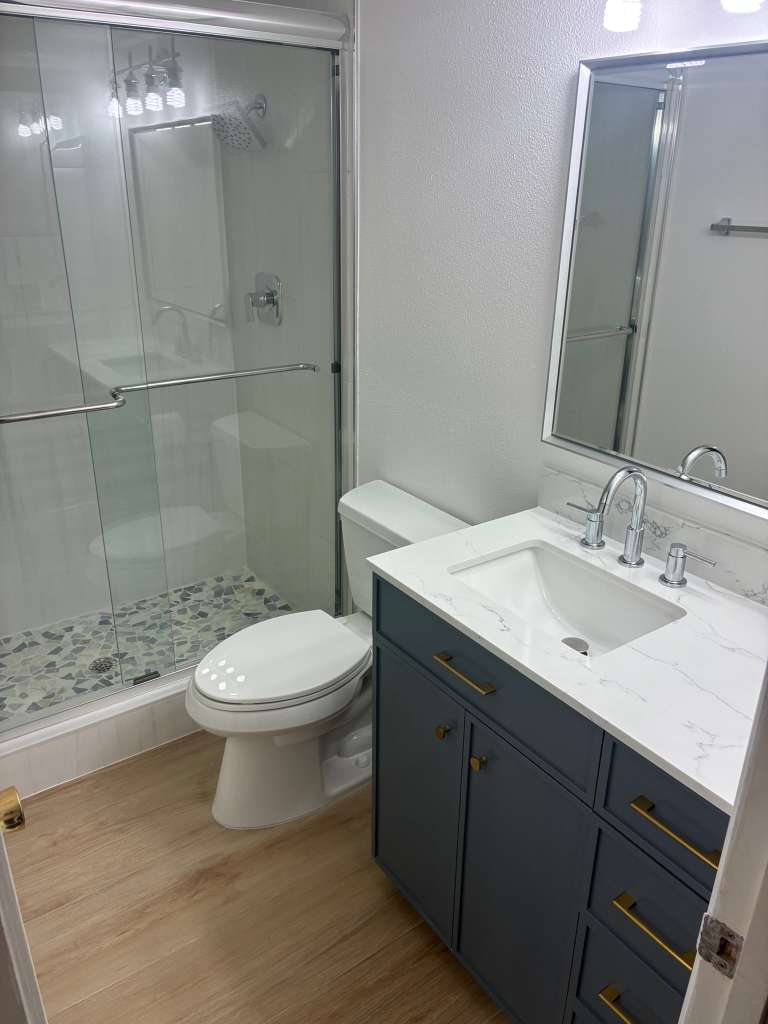
If the bathroom needs a larger update to improve ventilation, replace water-damaged materials, or address recurring moisture issues, a remodel may be part of the solution. A professional bathroom remodel port charlotte fl can help homeowners think through those moisture-related concerns during a larger project.
When mold problems may point to a bigger remodeling issue
Sometimes mold is not just a cleaning issue. It can be a sign that parts of the bathroom are no longer doing their job.
Situations that often need more than surface cleaning
- Repeated mold around the same shower or tub area
- Warped or soft drywall
- Damaged subflooring near the toilet or tub
- Failing caulk and grout that keep opening up
- Poor fan performance or ventilation layout
- Water damage behind cabinets or walls
In these cases, a renovation may need to include improved ventilation, moisture-resistant finishes, and repairs to damaged materials. The right scope depends on what is actually causing the moisture, which is why inspection and diagnosis matter.
Why Southwest Florida homes need extra attention
Homes in this region often deal with a humid baseline that does not give bathrooms much time to dry. That means small problems can become recurring ones.
Local conditions that can make mold more likely
- Long periods of high humidity
- Warm air that slows drying
- Heavy use of air conditioning, which can create condensation on cooler surfaces
- Seasonal rain and moisture tracked indoors
- Limited airflow in smaller bathrooms
Because of this, homeowners often need to be more proactive about ventilation and moisture control than they might be in a drier part of the country.
FAQ
What causes mold in a bathroom most often?
The most common cause is moisture that does not dry out fast enough. That usually comes from shower steam, condensation, leaks, or weak ventilation.
Can mold grow even if I do not see water?
Yes. Hidden leaks, humid air, and repeated condensation can keep surfaces damp even when no standing water is visible.
Does a bathroom fan prevent mold?
A fan can help a lot, but only if it moves air effectively and is used consistently. It also needs to vent moisture out of the room, not just stir air around.
Why does bathroom mold keep coming back after cleaning?
Because cleaning removes the visible growth, but not the moisture source. If the room keeps getting damp, mold can return.
Is high humidity enough to cause mold by itself?
High humidity can contribute by keeping surfaces damp longer, especially in a bathroom where steam and condensation are already common.
When should I have a professional take a look?
If you smell mold, see recurring spots, notice water damage, or suspect a hidden leak, it is a good idea to have the area evaluated before the problem spreads.
The bottom line
If you are wondering what causes mold in a bathroom, the answer almost always comes back to moisture that is not being controlled. Steam, condensation, leaks, and high humidity can all keep surfaces damp long enough for mold to grow. In Southwest Florida, where the air is already humid, bathrooms need even more attention to ventilation, drying, and leak prevention.
If the problem keeps returning, the key is to find the source of the moisture instead of only cleaning the visible mold. For homeowners comparing repair and remodeling options, it can also help to learn how repeated moisture issues affect project planning, finishing choices, and long-term maintenance.