
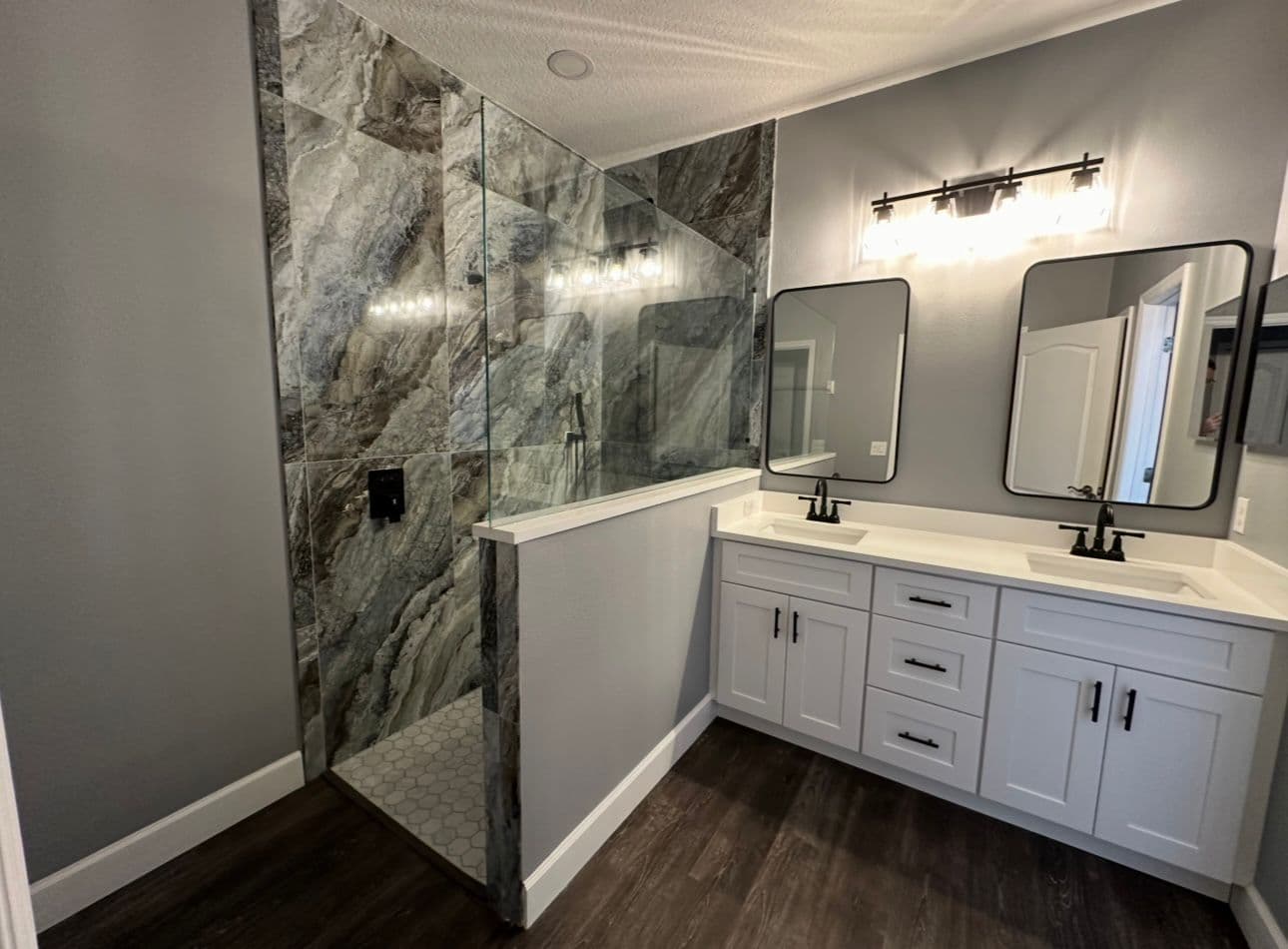
Shower inserts are usually made from waterproof panel materials such as acrylic, fiberglass-reinforced plastic, solid surface, or PVC-based panels. The right choice depends on your budget, the look you want, how much maintenance you’re comfortable with, and how well the product is installed for Florida’s humid, moisture-heavy conditions.
What a shower insert actually is
A shower insert is a prefabricated wall system that covers the shower area and helps create a waterproof bathing space. Homeowners sometimes use the term to mean a full shower surround, a wall panel kit, or a one-piece tub-and-shower unit. In everyday conversation, it usually refers to the wall surfaces around the shower, not the tile beneath your feet.
The big advantage of an insert is simplicity. Instead of building a shower from individual tile or stone pieces, a manufacturer creates panels or a molded unit designed to fit together and resist water. That can make the space easier to maintain, though the final performance still depends on product quality and installation.
For homeowners in Southwest Florida, where humidity and frequent rain can make moisture management more important, the material and installation details matter just as much as appearance. If you’re planning a remodel, a local pro like remodeling contractors Venice FL can help you think through which shower wall system fits your bathroom layout and maintenance goals.
The most common materials used in shower inserts
Acrylic
Acrylic is one of the most common materials used for shower inserts. It is a plastic sheet material that can be molded or formed into one-piece or multi-panel wall systems.
Why homeowners like it:
- Smooth, finished look
- Easy to wipe down
- Often available in a range of colors and patterns
- Lighter than many traditional wall materials
Things to keep in mind:
- Quality varies by manufacturer
- Thinner products may flex more than thicker ones
- Scratches can sometimes be visible, depending on the finish
Acrylic inserts are popular because they balance cost, appearance, and maintenance. They are often used in bathroom updates where the goal is to refresh the shower without building a full custom tile assembly.
Fiberglass-reinforced plastic (FRP) and fiberglass
Fiberglass-reinforced plastic, often shortened to FRP, and fiberglass-based shower units are another common option. These products use resin and glass fibers to form lightweight wall panels or molded shower surrounds.
Why homeowners like them:
- Generally lightweight
- Often less expensive than premium wall systems
- Easy to install in some remodel situations
Things to keep in mind:
- Can feel less substantial than other materials
- Finish may be more prone to wear over time
- Surface quality varies a lot from one product to another
These systems can work well for budget-conscious projects or secondary bathrooms. They may not offer the same upscale look or long-term feel as thicker materials, but they can still be a practical solution when installed correctly.
Solid surface
Solid surface shower inserts are made from a composite blend of resin and mineral fillers. Manufacturers may describe these products as acrylic-based or polyester/acrylic blends with mineral content.
Why homeowners like them:
- Nonporous surface
- Seam-conscious appearance
- Often looks more custom than basic plastic panels
- Can be easier to clean than grout-heavy finishes
Things to keep in mind:
- Typically higher cost than basic inserts
- Heavier than some other options
- Professional installation is usually important
Solid surface products are a strong choice for homeowners who want a cleaner, more refined look without the upkeep of tile grout. They can be especially appealing in homes where a low-maintenance bathroom is a priority.
PVC and plastic panel systems
PVC-based wall panels and similar plastic systems are also used for shower inserts. These products can be made from rigid plastic materials and are sold in a variety of styles.
Why homeowners like them:
- Moisture-resistant surface
- Can be simple to maintain
- Often available in modern panel designs
- May be a good fit for quick updates
Things to keep in mind:
- Product thickness and quality differ widely
- Some systems can look less substantial than stone or solid surface
- Joints and trim pieces need careful installation
PVC and plastic panels can be a practical option when you want a fresh-looking shower without the complexity of tile. The final result depends heavily on the quality of the panels and the installer’s attention to waterproofing details.
How these materials compare in real life
Durability
Durability is not just about whether the surface resists water. It also includes how well the product handles daily use, cleaning, impact, and temperature changes.
In general:
- Acrylic can offer a good mix of durability and value
- Fiberglass systems may be lighter and more affordable, but sometimes less robust
- Solid surface usually feels more substantial and refined
- PVC panel systems vary widely in strength and longevity
If you have children, frequent guests, or a shower that gets used heavily, durability may matter more than the lowest upfront price.
Cleaning and maintenance
Most homeowners prefer inserts because they reduce the maintenance associated with tile grout. That said, every material still needs regular cleaning.
General maintenance differences:
- Acrylic: usually easy to wipe clean with non-abrasive products
- Fiberglass/FRP: simple to clean, but finish may show wear sooner
- Solid surface: typically low maintenance and nonporous
- PVC panels: often easy to maintain, but seams and trim need attention
Avoid harsh abrasives unless the manufacturer specifically says they are safe. Scrubbing too aggressively can dull finishes or create visible wear.
Appearance
The look of a shower insert has a big influence on how finished the bathroom feels.
Typical appearance range:
- Acrylic: clean and versatile, sometimes with molded patterns
- Fiberglass: often more utilitarian
- Solid surface: smoother, more custom-looking
- PVC panels: can mimic tile or stone styles in some products
If your bathroom remodel is meant to improve resale appeal or create a more polished everyday space, appearance may be worth a higher initial investment.
What matters more than the material: installation and moisture control
A shower insert can only perform as well as the system behind it. In Southwest Florida, where humid air and water intrusion can create long-term problems, the supporting layers and installation details are critical.
Backer materials matter
Shower wall assemblies should use approved moisture-resistant backer materials and be installed according to the manufacturer’s instructions. The wall system behind the insert helps determine whether the shower stays dry and stable over time.
That means the project should account for:
- Proper wall preparation
- Compatible backing materials
- Correct fastening methods
- Sealing at seams and transitions
- Finished details that direct water where it belongs
Why moisture management is so important here
Bathrooms in coastal and humid areas can be more vulnerable to mold, swelling, and hidden water damage if a shower is not properly built. Even a good insert can fail if water gets behind it or if seams are not sealed correctly.
If you have experienced recurring moisture issues, it may be helpful to read why shower grout keeps cracking Florida. While grout and inserts are not the same thing, the article explains why Florida bathrooms often need careful moisture planning in the first place.
Manufacturer instructions are not optional
Different products have different requirements for:
- Framing support
- Adhesives or fasteners
- Sealants
- Expansion gaps
- Cleaning and maintenance
A system that works well with one brand may not be suitable for another. That’s why the product instructions matter just as much as the material name.
Which shower insert material is best for your bathroom?
There is no single best material for every home. The right choice depends on your priorities.
Choose acrylic if you want:
- A strong middle-ground option
- Easy cleaning
- A broad range of styles
- A practical update for a hall bath or guest bath
Choose fiberglass/FRP if you want:
- A lighter-weight option
- A more budget-conscious solution
- A straightforward update where premium finishes are not the priority
Choose solid surface if you want:
- A smoother, more custom appearance
- Lower day-to-day maintenance
- A premium-feeling shower wall system
Choose PVC or plastic panel systems if you want:
- Moisture-resistant panels
- Simpler maintenance
- A modern panel look with flexible style options
If you are unsure which direction makes sense, it can help to compare the shower system to the rest of the bathroom. For example, if you plan to update flooring, vanities, or layout too, the shower wall material should fit the overall remodel plan rather than being chosen in isolation.
Common mistakes homeowners make when choosing a shower insert
Focusing only on the surface material
The visible panel is important, but the wall preparation and installation method often determine whether the shower lasts. A lower-cost insert installed well may outperform a premium product installed poorly.
Assuming all “waterproof” products are equal
Water-resistant, waterproof, and moisture-tolerant are not always interchangeable terms. Homeowners should ask how the system manages seams, joints, and transitions where water can enter.
Ignoring maintenance habits
If you prefer quick wipe-down cleaning, a low-maintenance option may be worth the investment. If you do not mind a little more upkeep, another material might still make sense.
Not considering the bathroom’s condition
If the shower area already has signs of hidden damage, soft framing, or recurring leaks, the project may need more than a surface upgrade. A careful inspection helps avoid covering a problem without fixing it.
What to ask before you buy a shower insert
Before choosing a material, ask these practical questions:
- What is the insert made of exactly?
- What does the manufacturer require for the wall backing and sealant?
- How does the product handle seams and corners?
- What kind of cleaning products are safe to use?
- How thick is the material, and how does it feel in daily use?
- Will it fit your existing shower opening, or will the opening need to be adjusted?
These questions help you compare products more clearly and avoid assuming all shower inserts are built the same way.
Planning a shower update in Southwest Florida
If you live in a humid climate, the shower insert you choose should be part of a broader moisture-conscious remodel plan. That includes the wall assembly, ventilation, and how the shower connects to the rest of the bathroom.
Homeowners in this region often want a bathroom that is:
- Easy to clean
- Resistant to humidity-related wear
- Visually updated without excessive maintenance
- Built with materials suited to local conditions
A remodel conversation with a local contractor can help you weigh these goals against the realities of your space. If you are comparing service options in the region, remodeling contractors Sarasota FL is a useful starting point for homeowners who want to talk through layout, materials, and installation requirements.
FAQ
Are shower inserts made from tile?
Usually no. Shower inserts are typically prefabricated panels or molded wall systems made from materials like acrylic, fiberglass, solid surface, or PVC-based products. Tile is a different type of shower finish.
Which shower insert material is easiest to clean?
Solid surface and smooth acrylic panels are often easier to clean because they usually have fewer texture issues and less routine maintenance than grout-heavy surfaces. The finish and installation still matter.
Are fiberglass shower inserts cheap?
They are often among the more budget-friendly options, but exact cost depends on the product, the size of the shower, and the installation requirements. Lower upfront cost does not always mean the best long-term value.
Do shower inserts prevent mold?
They can help reduce the places where moisture collects, but no surface material alone prevents mold. Good ventilation, proper wall backing, sealed joints, and correct installation are all important.
Can a shower insert be installed over old walls?
Sometimes, but only if the existing walls are sound, dry, and compatible with the new system. If there is hidden water damage or deterioration, the old material may need to be removed first.
What should I do if I’m not sure which insert is right for my bathroom?
Start by looking at your priorities: appearance, cleaning, budget, and moisture concerns. Then compare product requirements and talk with a local remodeling professional about what will work in your specific shower opening and bathroom condition.
Bottom line
Shower inserts are usually made of acrylic, fiberglass-reinforced plastic, solid surface, or PVC-based panel materials. Each one has different strengths, from easy cleaning and lightweight installation to a more refined appearance and better long-term feel. The material matters, but in Southwest Florida, the bigger picture is just as important: proper backing, careful sealing, and installation that follows manufacturer instructions.
If you choose the right material for your goals and make moisture management part of the plan, your shower can be more practical, more attractive, and easier to live with day after day.