An over-the-range microwave can often be vented outside through a brick or masonry wall, but the appliance model, approved discharge direction, duct route, wall construction, clearances, weather cap, electrical conditions, and local permit requirements all have to be checked first. Cutting a hole is only one part of a complete installation.
This question came from a North Port homeowner whose microwave was recirculating cooking air back into the kitchen. That is a common reason to investigate exterior venting, but it does not mean every microwave can use the same duct size or wall route.
Recirculating and exterior-vented microwaves work differently
A recirculating microwave pulls air through grease and charcoal filters and returns it to the room. An exterior-vented setup sends air through ductwork to a wall cap or roof cap outdoors. Exterior venting can move cooking moisture, heat, and odors out of the kitchen more directly, provided the appliance and duct system are installed correctly.
Start with the full model number and the manufacturer's installation instructions. Some over-the-range units can be configured for top, rear, or recirculating discharge; the blower may need to be rotated for the selected direction. Do not assume a unit can be converted because another microwave in the same cabinet opening could be.
What needs to be checked before drilling the wall?
A site review should answer these questions:
- Does the microwave's installation manual permit rear discharge?
- What duct size and material does the manufacturer require?
- Where are wall framing, wiring, plumbing, and other utilities?
- Is the wall wood-framed with brick veneer, concrete block, or another masonry assembly?
- Can the duct remain short and direct without being crushed or reduced?
- Is there room for a properly flashed exterior wall cap and damper?
- Will the outlet terminate away from openings or other features where local rules require separation?
- Does the exterior location affect an HOA-controlled elevation?
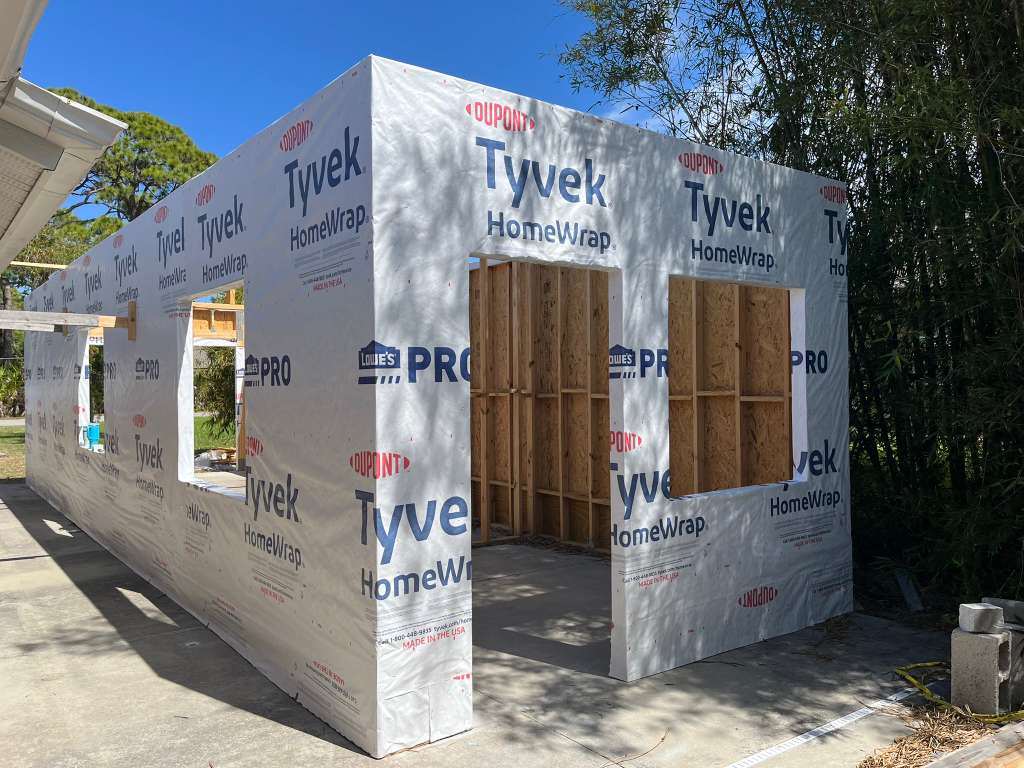
Brick veneer and structural masonry are not the same. The installation method, sleeve, flashing, sealant, and structural precautions depend on the actual wall assembly. A contractor may also need an HVAC or appliance installer for the duct connection, depending on the scope and local licensing requirements.
Why duct size and route matter
The microwave's own manual controls the installation. As one manufacturer example, GE Appliances' over-the-range microwave ducting guidance describes rigid rectangular or round duct, warns against discharging into an attic or crawl space, and explains that elbows, transitions, and caps add resistance to the system. Those specifications should not be copied to a different model without checking its instructions.
Long runs, multiple elbows, undersized duct, flexible material, or a restrictive cap can reduce airflow and increase noise. The shortest path is not automatically the right path if it crosses a structural element, conflicts with utilities, or creates a poor exterior termination.
Who normally handles this work?
The right team depends on the existing kitchen and the wall:
- An appliance installer can confirm the microwave configuration and mounting requirements.
- An HVAC contractor may handle or advise on the metal duct and airflow path.
- A remodeling contractor can coordinate cabinetry, wall access, masonry penetration, finish repairs, and the other trades.
- An electrician may be needed if the receptacle, circuit, or wiring must change.
Ask who is responsible for each part before work begins. The written scope should identify the model, route, duct material, exterior cap, masonry repair, interior finish repair, electrical work, permits, and cleanup.
What information helps with a site visit?
Gather the microwave model number, installation manual, photos above and inside the cabinet, exterior photos of the proposed exit point, wall thickness if known, and any plans showing utilities. Note whether the home has block walls, brick veneer, or a framed wall, and whether an HOA controls exterior changes.
Cost depends on access, duct length, masonry type, cabinet changes, electrical work, the wall cap, finish repairs, and permit or association requirements. A photo review may identify obvious constraints, but a final scope should be based on the actual appliance and wall.
When is this part of a larger kitchen project?
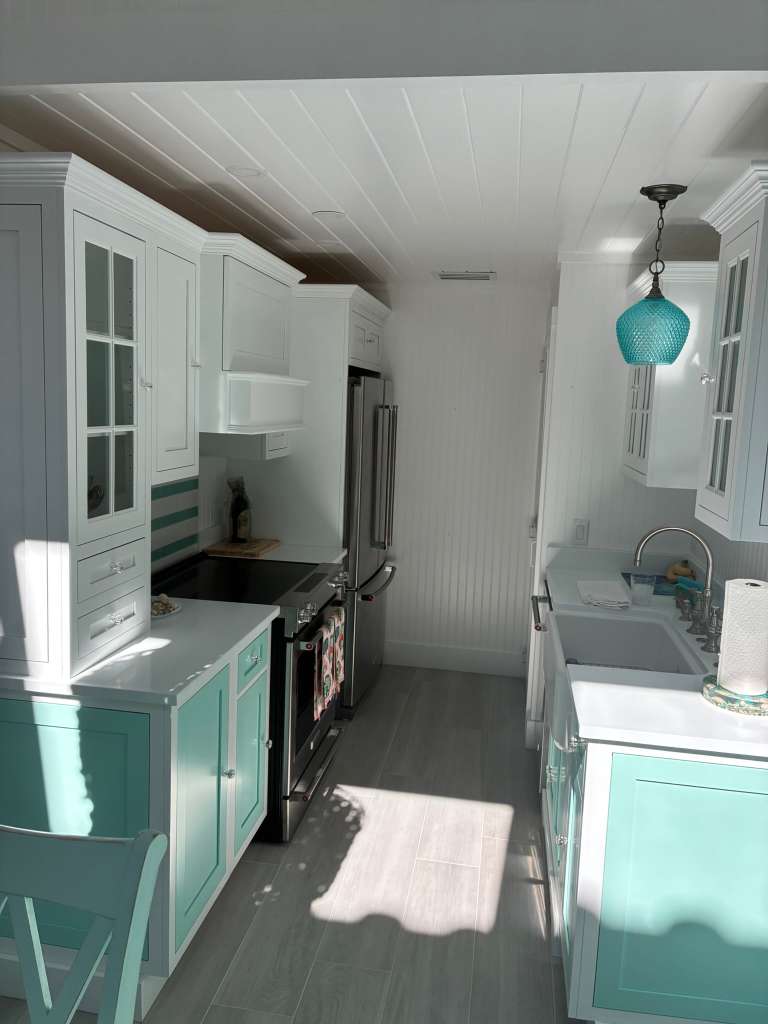
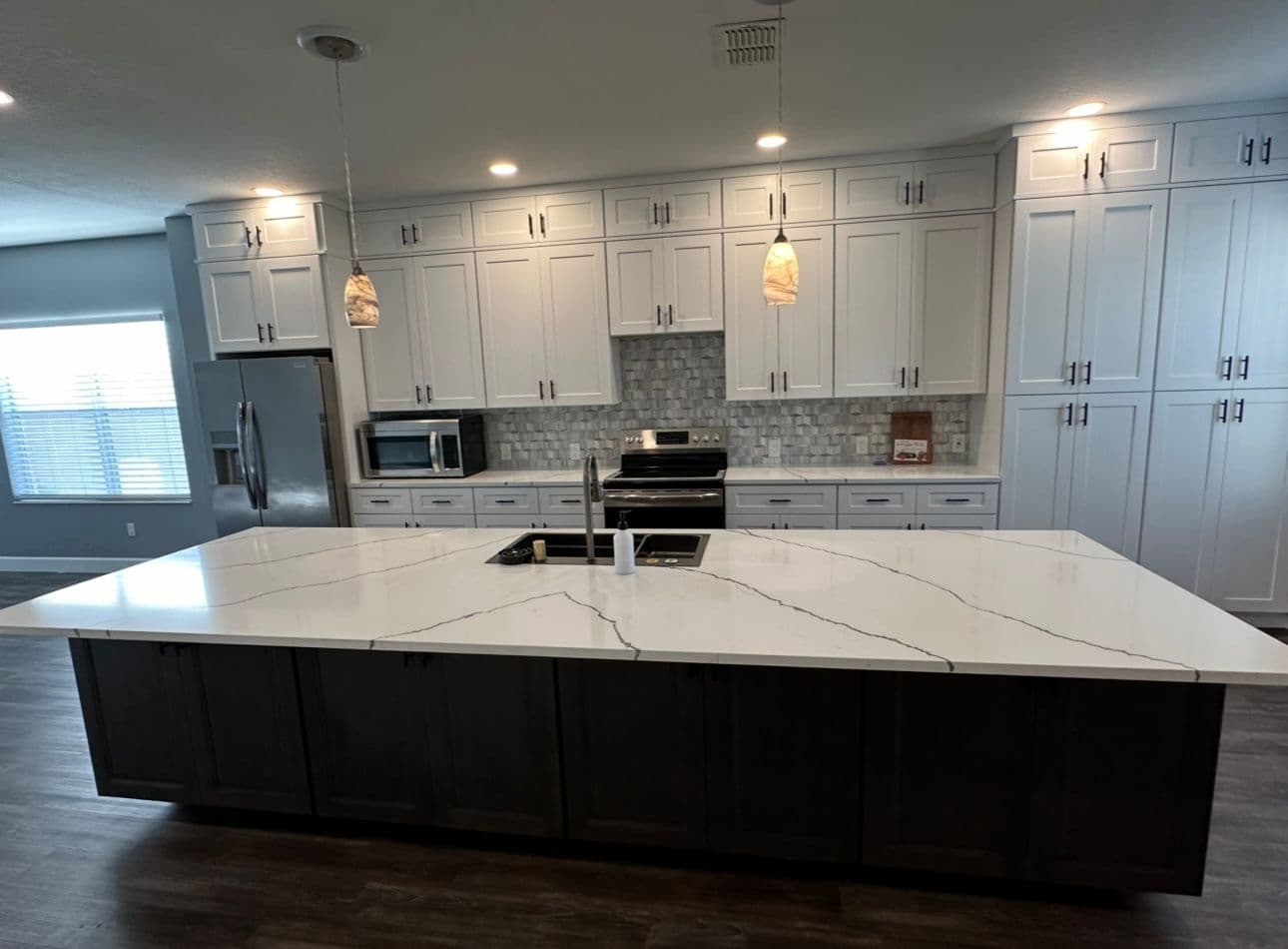
If the microwave location, cabinets, range, lighting, or electrical layout also needs to change, coordinate the vent before ordering cabinets or finishes. For a broader kitchen remodel north port fl, the vent route should be planned with the appliance specifications and cabinet layout, not added after installation.
If exterior venting is the only goal, a full remodel is not required. The useful next step is a focused assessment of the microwave, duct path, and wall assembly.
Frequently asked questions
Can a microwave vent terminate in the attic?
No. A ducted microwave should discharge outdoors according to the appliance instructions, not into an attic, crawl space, wall cavity, or another common duct.
Can flexible duct be used?
Follow the model instructions. Rigid metal duct is commonly specified because flexible or corrugated material increases resistance and can collect grease. Do not substitute material without manufacturer approval.
Does drilling through brick require a permit?
Requirements depend on the jurisdiction and full scope. A wall penetration, electrical change, structural work, or mechanical duct modification may require review. Confirm with the applicable building department before work starts.