To estimate the cost of finishing an unfinished house before an offer, identify exactly what remains, verify permit and inspection status, document installed work, obtain trade and material information, and separate a preliminary allowance from a contractor's detailed bid. A statement such as “75% complete” does not reveal whether the expensive or risky 25% is still unfinished.
This issue often arises when a buyer or real estate agent needs a decision quickly. Photos and video can support an early review, but they cannot confirm concealed conditions, workmanship, code compliance, or every missing item.
Why percentage complete is not a cost estimate
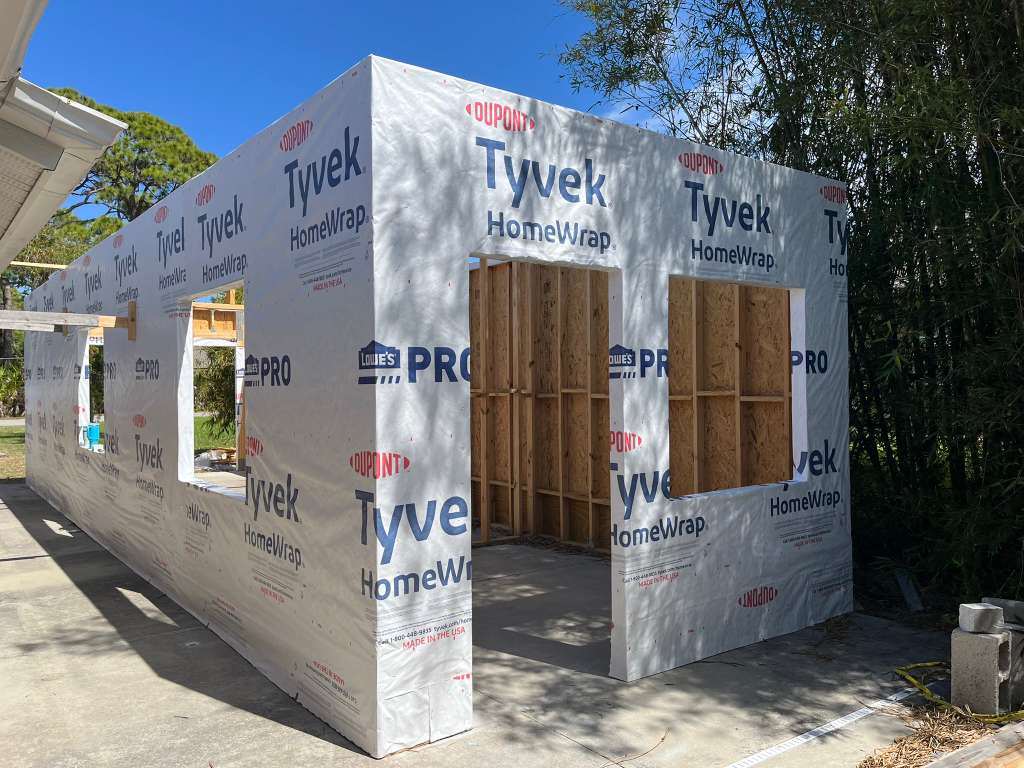
Two houses described as 75% complete can have completely different remaining costs. One may need paint, trim, fixtures, and final inspections. Another may still need HVAC, electrical corrections, plumbing fixtures, cabinets, waterproofing, permits, and repairs to work that did not pass inspection.
Instead of asking for a percentage, build a room-by-room and system-by-system remaining-scope list.
Information to collect before requesting a preliminary budget
Ask the seller or listing representative for:
- Plans, specifications, finish schedules, and change records
- Building permits, inspection results, correction notices, and certificate status
- Contractor and subcontractor information
- Equipment model numbers, warranties, receipts, and manuals
- Survey, engineering, energy, and product-approval documents where relevant
- Photos of concealed work taken before drywall or finishes
- Utility status and temporary or permanent service information
- A list of included and excluded materials stored on site
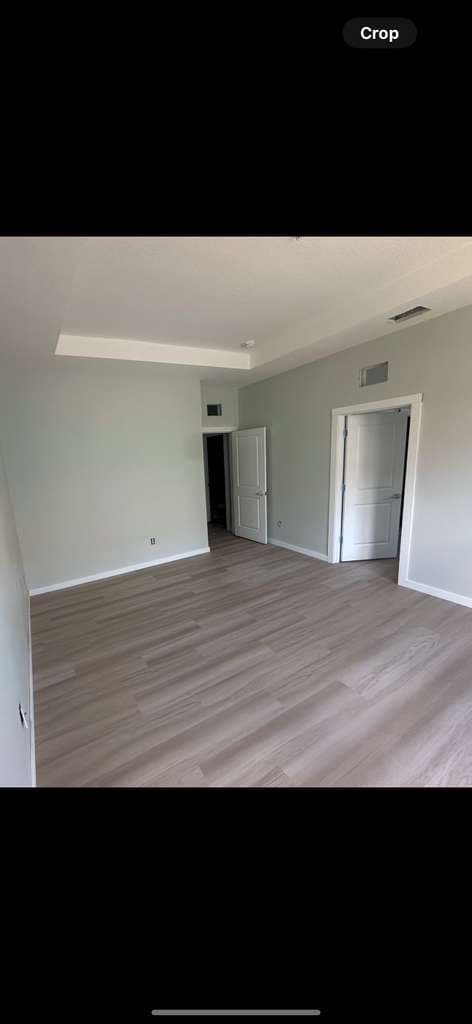
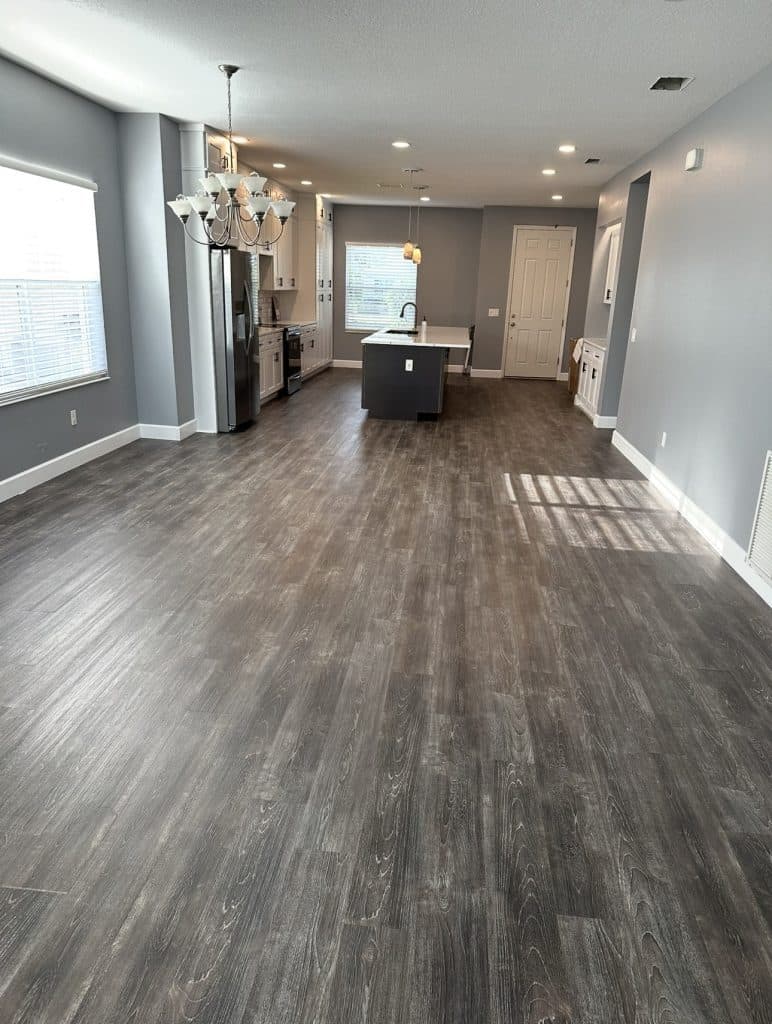
Walk through every room and system. Note what is complete, incomplete, damaged, missing, or impossible to verify. Include exterior drainage, roofing, windows, insulation, HVAC, electrical, plumbing, drywall, cabinets, counters, flooring, trim, paint, fixtures, appliances, life-safety items, and final cleanup.
Review permit and inspection history
Permit records help show what was approved, inspected, rejected, expired, or never filed. They do not guarantee that every visible item is complete or code-compliant. Confirm the jurisdiction and ask what must happen before construction can continue or the permit can close.
Florida's Department of Business and Professional Regulation advises consumers to verify contractor licenses and obtain written estimates describing the work, materials, completion terms, and total cost. The state's construction-industry license guidance explains how to verify both the individual qualifier and business entity.
Preliminary allowance, paid assessment, and detailed bid
These are different deliverables:
- A preliminary allowance is an early planning range based on limited information and stated assumptions.
- A pre-purchase assessment is a defined review of accessible conditions and documents; its scope and fee should be agreed in writing.
- A detailed bid follows a sufficiently defined scope, site access, selections, and trade review.
Ask what the contractor reviewed, what remains unknown, how long the estimate is valid, and whether later investigation can change the number. Do not treat a video-call range as a guaranteed construction price.
Build the budget in categories
A useful preliminary budget can include:
| Category | Questions to answer |
|---|---|
| Required corrections | What failed inspection or appears incomplete or unsafe? |
| Building systems | What remains for HVAC, plumbing, electrical, roofing, and insulation? |
| Interior completion | Which cabinets, counters, flooring, doors, trim, paint, and fixtures are missing? |
| Professional and government costs | Are plans, engineering, permits, inspections, or surveys still needed? |
| Site and exterior work | Are drainage, grading, driveway, landscaping, or exterior finishes unfinished? |
| Carrying and living costs | Will the buyer need storage, temporary housing, utilities, security, or cleanup? |
| Contingency | Which conditions cannot be verified before purchase? |
Use documented quantities and selections where possible. Add a contingency that reflects the actual unknowns rather than applying one universal percentage.
Which questions belong to each professional?
A contractor can develop the construction scope and price. A home inspector can report accessible condition within the inspection agreement. An engineer or design professional may address structural or technical questions. The lender decides loan, draw, appraisal, and documentation requirements. The buyer's agent and attorney handle transaction questions within their roles.
Coordinate these reviews before the offer deadline. A contractor's completion estimate is not a home inspection, appraisal, loan approval, or guarantee that permits will close.
Sarasota-area next step
When a prospective buyer needs a construction review, provide the listing, access details, plans, permit history, photos, and a written list of concerns. For a potential home renovation sarasota fl, ask what can be reviewed before the offer and what requires site access after authorization. The source inquiry behind this guide did not establish the property's city, so the same process should be adapted to the actual jurisdiction.
Also review what to expect when hiring a general contractor so the estimate stage is not confused with a construction contract.
Frequently asked questions
Can a contractor price an unfinished house from photos?
Photos may support a preliminary allowance, but they cannot reveal every concealed condition, measurement, code issue, or missing item. A detailed bid usually needs site access and a defined scope.
Should the buyer rely on the seller's percentage-complete estimate?
No. Convert the claim into a documented remaining-scope list and verify permits, inspections, installed work, and materials.
Does an estimate guarantee the lender will fund the work?
No. The lender controls eligibility, appraisal, draw, and documentation requirements. Confirm those requirements directly with the lender.