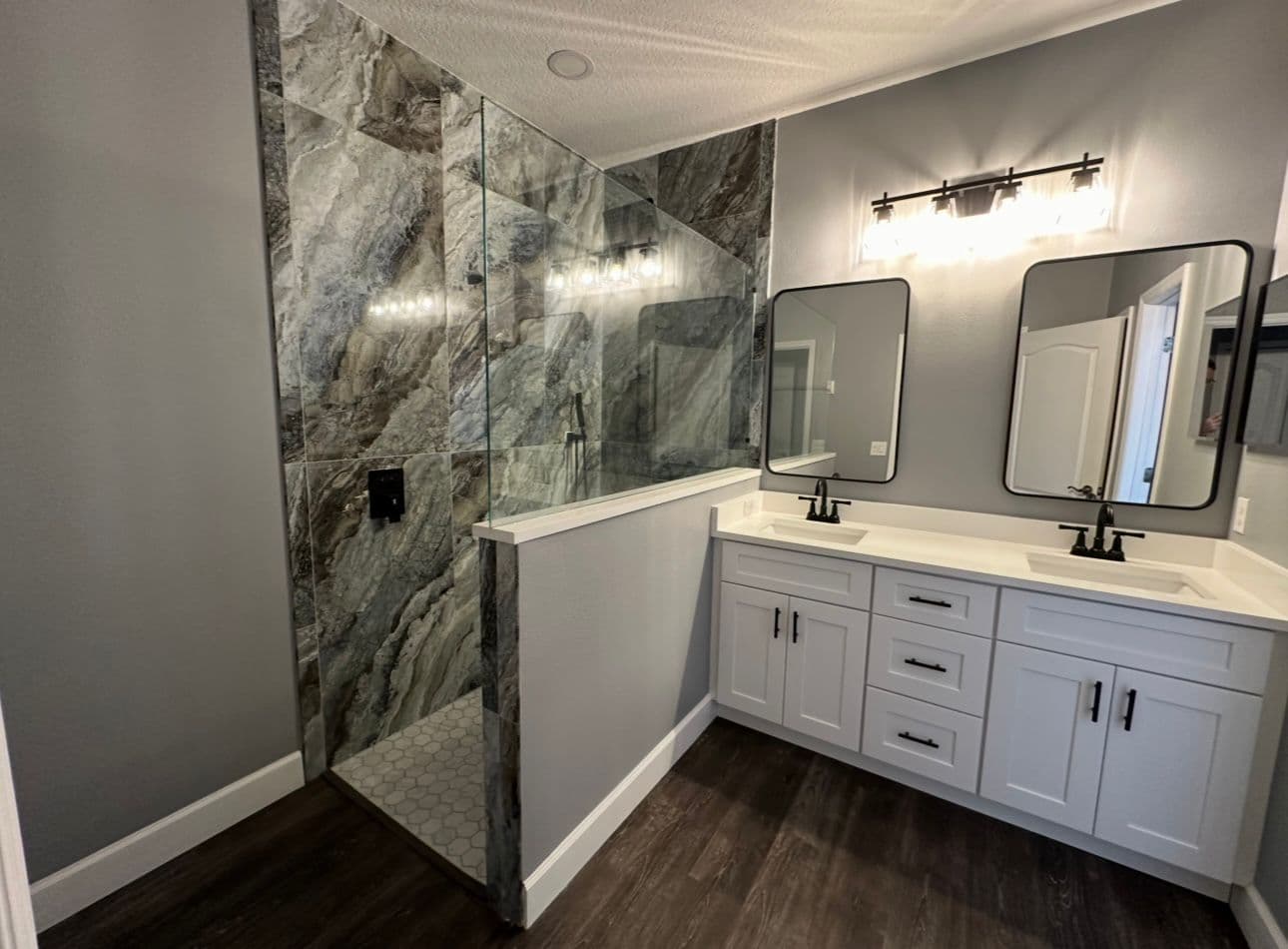
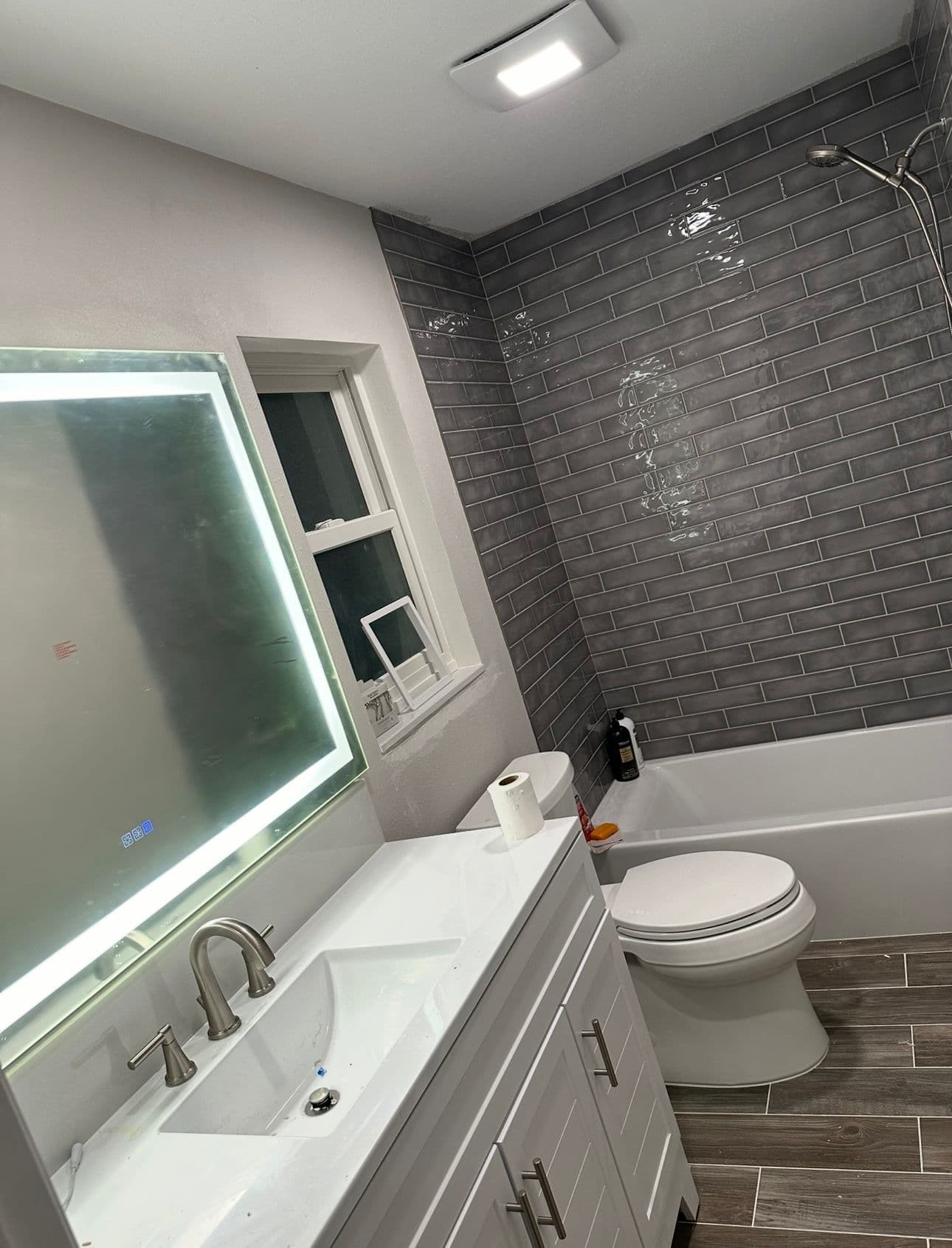
How do you make a bath more comfortable? Start with the basics: keep the room warm, improve the lighting, make the water temperature easy to control, and add support where you need it most. A more comfortable bath usually is not about one dramatic change; it is about several small improvements that make the space feel safer, easier to use, and more relaxing every day.
For many Southwest Florida homeowners, comfort also means dealing with humidity, tile that can feel cold, and bathrooms that may not be laid out for easy access. The right upgrades can help a bathroom feel more like a retreat and less like a chore. If you are planning a bathroom remodel port charlotte fl, comfort is one of the best places to focus because it affects daily use far more than style alone.
Start with Temperature and Lighting
A bath feels more comfortable when the bathroom itself is not chilly, dim, or drafty. If you have ever stepped out of a warm shower into a cool room, you already know how much the environment matters.
Keep the room warm
In Southwest Florida, indoor temperatures are often comfortable for most of the home, but bathrooms can still feel cool in the morning or after air conditioning has been running. A warmer bathroom helps you feel more relaxed before, during, and after bathing.
Helpful approaches include:
- Improving HVAC airflow to the bathroom
- Adding a supplemental heat source where appropriate and allowed
- Using warm towels or a towel warmer for added comfort
- Reducing drafts around windows, doors, and exterior walls
Use softer, brighter lighting
Lighting changes how a room feels and how easy it is to move around safely. Too little light can make a bathroom feel less welcoming and more awkward to use. Too much harsh light can feel sterile.
A balanced lighting plan may include:
- Ceiling lighting for general visibility
- Vanity lighting for grooming and task areas
- Night lighting for safer evening use
- Dimmers for a calmer atmosphere
Good lighting is not just about appearance. It helps you step into and out of the tub or shower with more confidence, especially if the room is already small or has limited natural light.
Make Water Easier to Control
Comfort in the bath depends heavily on temperature control. Water that is too hot or too cold can quickly turn a relaxing bath into an unpleasant one.
Choose simple controls
Single-lever faucets and mixing valves can make it easier to adjust water temperature without constant trial and error. That can be especially helpful for households with children, older adults, or anyone who wants a smoother routine.
Set a safe water heater temperature
MedlinePlus recommends setting the water heater to 120°F (49°C) to help reduce the risk of scalding. That is a practical safety step, but it also supports comfort by making the water temperature more predictable.
Consider temperature-stable fixtures
If your bathroom has frequent swings between hot and cold, a plumber or remodeling contractor can help evaluate whether a fixture upgrade would improve consistency. Variable water pressure, older valves, and outdated plumbing parts can all affect comfort.
A bath that feels pleasant should be easy to adjust and stable once it is set. That simple reliability makes a big difference.
Improve Safety So the Bath Feels More Relaxing
Many people think comfort and safety are separate, but they are closely connected. When a bathroom feels slippery, cramped, or hard to enter, it becomes harder to relax.
Add non-slip protection
Slippery tub and shower surfaces can make every step feel uncertain. Non-slip mats, textured surfaces, or built-in slip-resistant finishes can help improve footing around wet areas.
You may want to think about:
- A non-slip bath mat outside the tub or shower
- Textured flooring in wet zones
- Slip-resistant strips or surface treatments where appropriate
- Keeping soaps and bottles organized so the floor stays clear
Install grab bars where they make sense
Grab bars are one of the most practical comfort upgrades because they provide support during entry, exit, and movement in the bathing area. They can make the bathroom feel much more secure without changing how the room looks dramatically.
Proper placement depends on the layout, the type of tub or shower, and who will be using the space. They should be installed securely and in locations that actually help with balance and reach.
Use a bath seat or bench if needed
A built-in bench or bath seat can make bathing less tiring and easier to manage, especially for anyone who has trouble standing for long periods. It can also make the room feel more spa-like.
A seat or bench may be especially useful if:
- You want to reduce strain while bathing
- You need a place to sit while washing or shaving
- You want a safer way to enter or exit a tub or shower
- You are planning for aging in place
Make the Bath Easier to Enter and Exit
A bath is more comfortable when it does not require awkward steps, high tub walls, or tight maneuvering. Accessibility affects comfort even for people who do not think of themselves as having mobility concerns.
Look at the entry height
If stepping over a tub wall or into a shower base feels difficult, that inconvenience will shape how you experience the entire bathroom. Easier access can make the room feel calmer and less tiring to use.
Depending on the space, solutions may include:
- A walk-in shower conversion
- A lower-threshold shower entry
- Better door swing or opening clearance
- A tub design that is easier to step into
Leave enough clear space
Comfort also depends on how easy it is to move around the room without bumping into fixtures or doors. Tight layouts can make every routine task feel rushed or awkward.
The ADA Access Board provides guidance for bathing room clearances and accessibility features. Not every home needs a full ADA-style buildout, but those standards can be useful as a reference when planning a safer, more usable layout.
Plan for the people who use the room most
A bathroom used by children, grandparents, guests, or someone recovering from surgery may need different comfort features than a primary bath used by two adults. The best layout is the one that fits your household’s real routines.
Add Spa-Like Details That Still Make Practical Sense
Once the essentials are covered, comfort upgrades can move from functional to restorative. These touches are not required, but they can make everyday bathing feel more inviting.
Heated floors
Heated floors are often associated with luxury, but they also solve a real comfort problem: cold tile underfoot. In a warm climate like Southwest Florida, that may not matter every day, but it can still make early mornings and cooler months much nicer.
Soft towels and convenient storage
Comfort is easier to feel when towels are close by, dry, and pleasant to use. Consider:
- Towel bars or hooks within easy reach
- Storage for bath products that keeps the tub area clear
- Shelving that reduces clutter around the bathing zone
- Enough space to set items down safely
Better finishes and quieter details
A bathroom feels more restful when surfaces, fixtures, and storage all work together. Soft-close drawers, calm color choices, and coordinated finishes can all add to the sense of comfort without making the room feel busy.
These details are not just decorative. They help the room feel more orderly, and a more orderly bath is usually a more comfortable bath.
Think About Florida Conditions When Choosing Upgrades
Southwest Florida homes deal with heat, humidity, salt air, and frequent use of air conditioning. Those conditions can influence how long comfort upgrades hold up and how the room feels throughout the year.
Moisture management matters
Bathrooms in humid climates need good ventilation and materials that can handle moisture. If the room traps humidity, it can feel sticky, create maintenance headaches, and reduce the sense of comfort.
Practical considerations include:
- A properly vented exhaust fan
- Finishes that tolerate moisture well
- Sealing and maintenance around wet areas
- Materials that are easy to clean and keep fresh
Durable choices often feel better over time
Comfort is not just how the bathroom feels on day one. It is also how easy it is to keep pleasant and usable over the years. Durable finishes, accessible fixtures, and thoughtful storage usually hold up better than trendy choices that create extra upkeep.
If you are comparing layout ideas or planning a renovation, it can help to review related issues such as cracking grout, since surface problems can affect comfort and maintenance. This guide on why shower grout keeps cracking Florida is useful if you are trying to understand how bathroom materials behave in local conditions.
A Simple Comfort Upgrade Plan
If you want a straightforward way to improve bath comfort, start with the changes that affect daily use most.
A practical order of priorities
- Make sure the room is bright enough.
- Confirm the water temperature is easy to control.
- Add non-slip protection where needed.
- Install grab bars or seating if the bath feels tiring or unstable.
- Improve access and clear space around the tub or shower.
- Add comfort details such as warmer surfaces, storage, or upgraded lighting.
When a bigger remodel makes sense
Sometimes comfort upgrades can be done one at a time. Other times, it makes more sense to address the bathroom as a whole. That is especially true if the current layout is cramped, the tub is hard to use, or the room has multiple aging-in-place needs.
A larger remodel can also give you more flexibility to improve the room’s layout, flooring, lighting, ventilation, and bathing access at the same time. That often creates a better long-term result than piecemeal fixes.
How a Contractor Can Help You Plan Comfort-Focused Changes
A remodeling professional can help you decide which changes are worth doing now and which ones should wait. That matters because comfort features often depend on the structure, plumbing, and available space behind the walls.
A contractor can help you evaluate:
- Whether the room layout can be improved
- How to add support features safely
- What lighting or electrical changes may be needed
- Whether the tub or shower area can be made easier to access
- Which finishes and fixtures fit your goals and budget
If you are in the region and thinking about a project that balances comfort, safety, and function, a local remodeler who understands general contractor north port fl needs can help you plan the right scope for your home and household.
Frequently Asked Questions
What is the easiest way to make a bath more comfortable?
The easiest improvements are usually better lighting, a warmer room, easier water temperature control, and non-slip protection. Those changes make an immediate difference without requiring a full remodel.
How do you make a bath more comfortable for older adults?
Focus on safety and support: add grab bars, reduce slipping hazards, use a bath seat or bench if needed, and make entry and exit easier. Bright lighting and clear floor space also help.
Do heated floors really help in a bathroom?
Yes, heated floors can make the bathroom feel much more comfortable, especially on tile or stone surfaces. They are a luxury feature for some homeowners, but they can also add practical warmth underfoot.
Should I lower my water heater temperature for safety?
MedlinePlus recommends setting the water heater to 120°F (49°C) to help reduce scalding risk. If you are unsure about your current setup, a qualified professional can help you evaluate it.
What bathroom feature makes the biggest comfort difference?
That depends on the household. For many people, easy water control and safe entry are the biggest factors. For others, better lighting, storage, or a more open layout makes the most noticeable improvement.
Can a small bathroom still feel more comfortable?
Yes. Even a compact bathroom can feel better with the right lighting, better ventilation, organized storage, and safer bathing features. Small spaces often benefit the most from thoughtful planning.
If you are wondering how do you make a bath more comfortable in a way that fits your home, start by improving warmth, visibility, safety, and access. Those basics create the foundation for a bathroom that feels easier to use every day. From there, you can add spa-like details that match your style and routines without losing practicality.