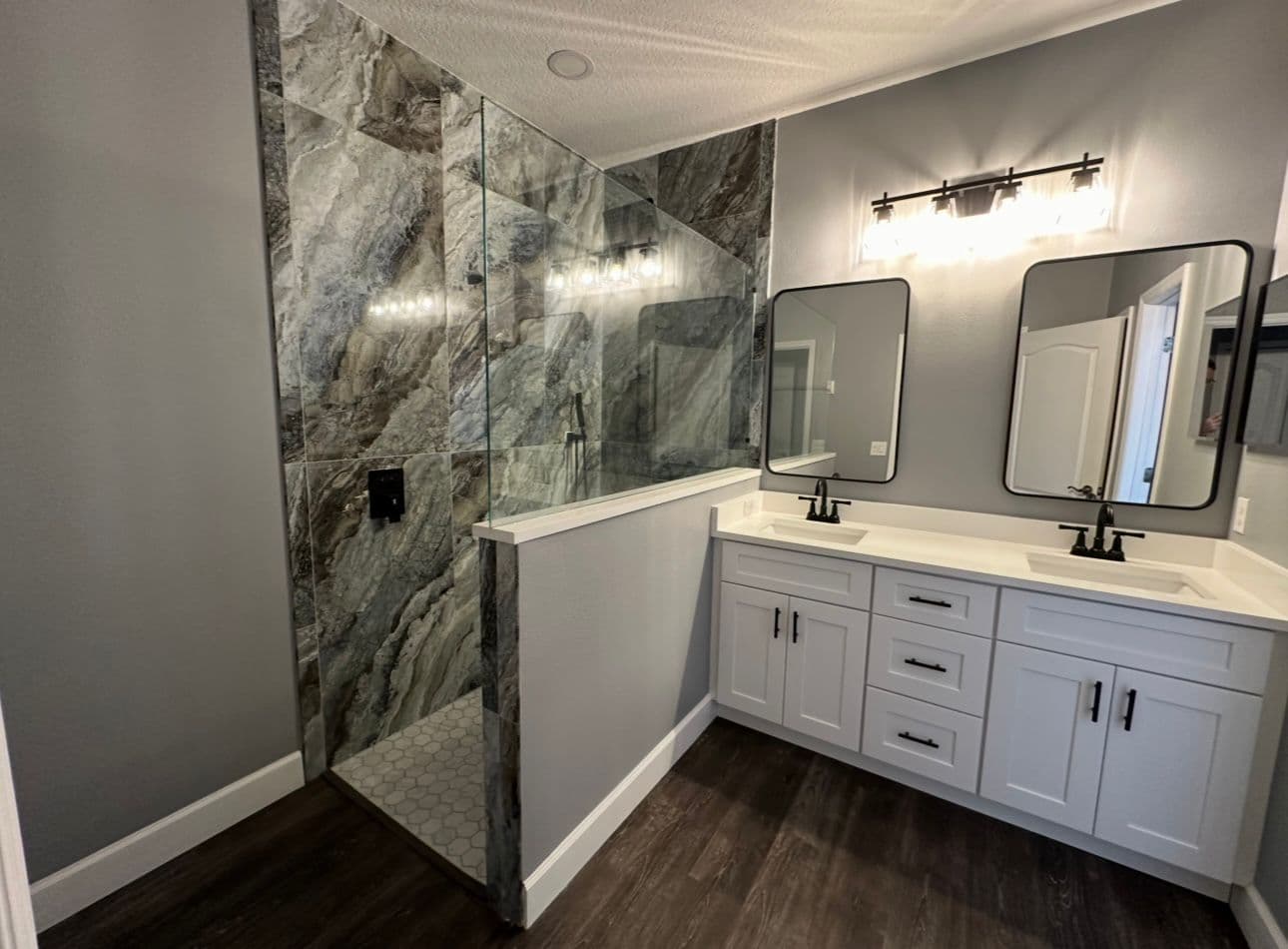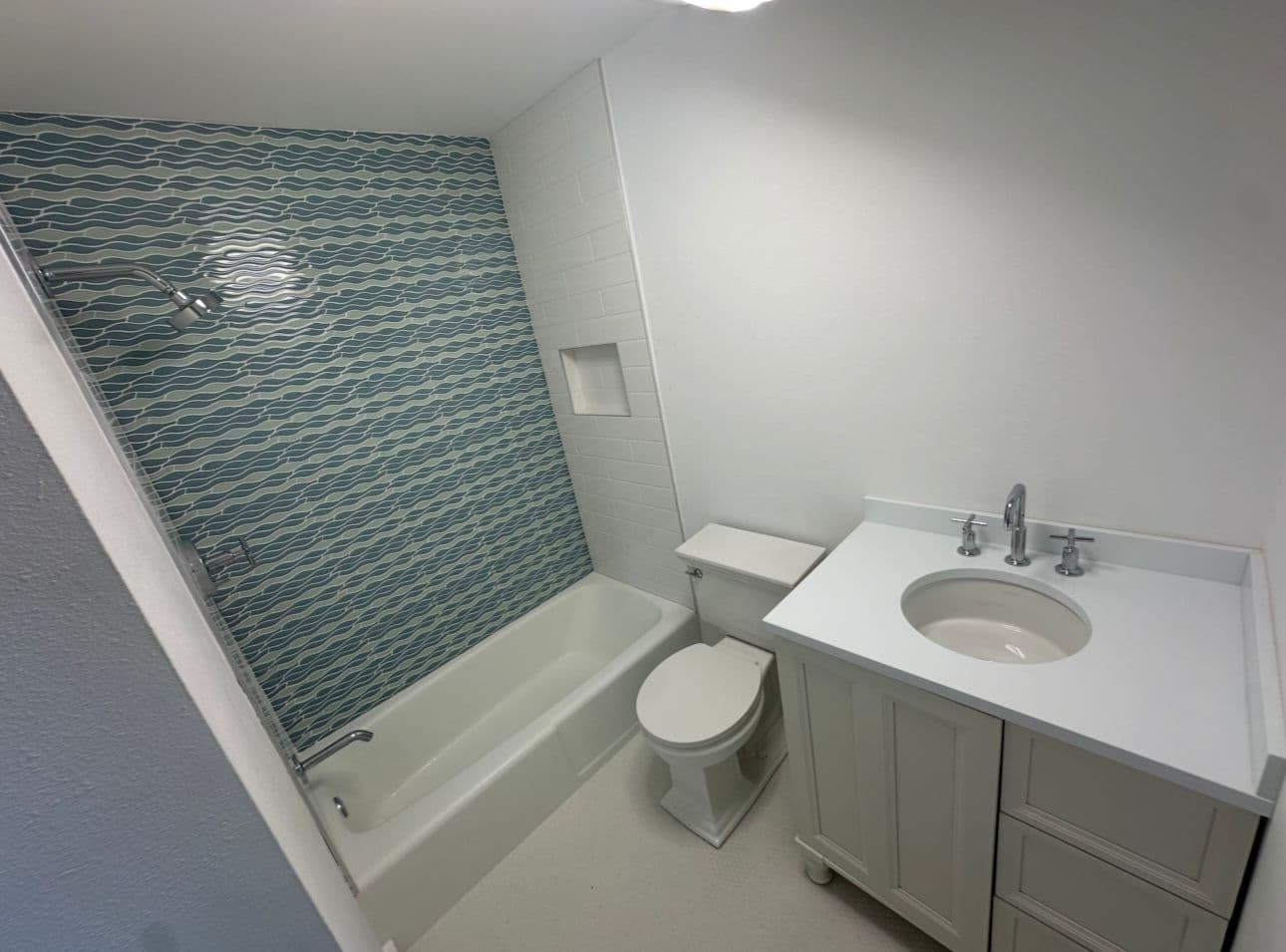
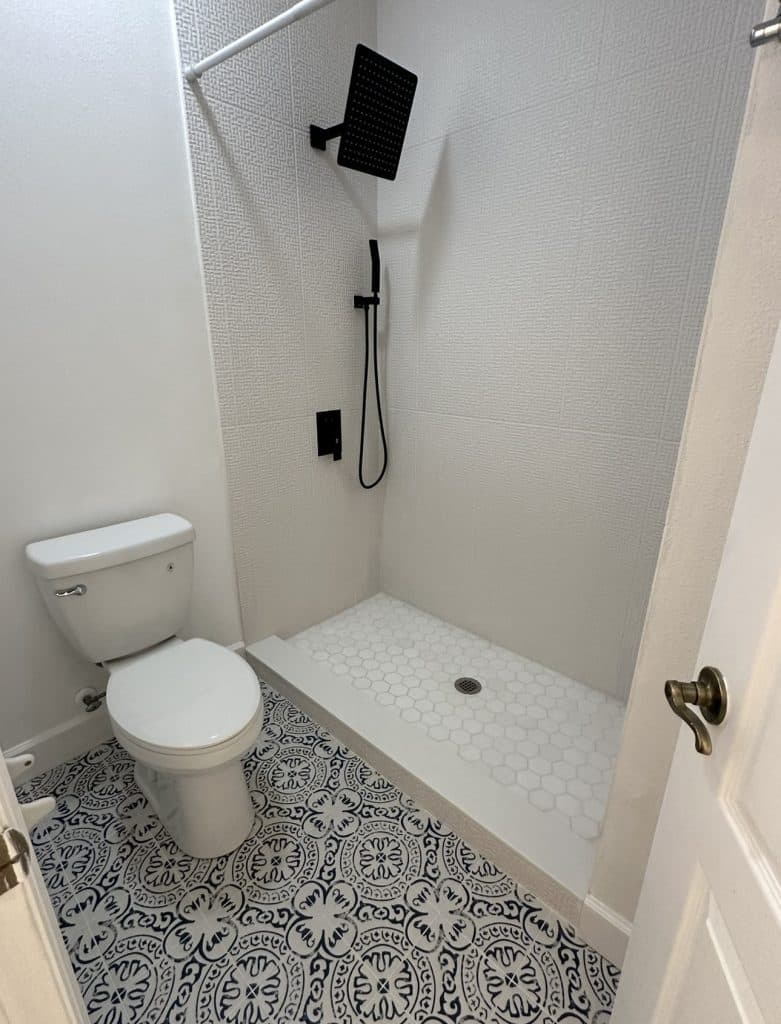
If you’re comparing shower wall panel manufacturers for a Southwest Florida bathroom, the short answer is to judge them by waterproofing, code compliance, installation requirements, substrate compatibility, warranty terms, and how well they can be serviced locally—not just by color, texture, or price. The “best” manufacturer is the one whose system is clearly documented for wet areas, fits your shower structure, and can be installed exactly the way the manufacturer requires.
In this climate, that matters. Humidity, frequent showers, and occasional storm-related moisture make it important to choose materials that are appropriate for shower and bathing areas and an assembly that is built to stay dry where it needs to stay dry. If you’re also deciding whether a panel system belongs in a full remodel or a simpler refresh, it can help to think about the whole bathroom project, not just the wall finish. For a broader planning perspective, see our bathroom remodel port charlotte fl page and our related article on why shower grout keeps cracking in Florida.
Start by identifying what kind of “shower wall panel” you’re actually comparing
Not every shower wall panel is built for the same job. One of the most common mistakes homeowners make is comparing products that look similar but perform very differently once they’re in the wall.
Finish panels are not the same as backer systems
Some products are meant to be the finished shower surface. Others are only part of the waterproof assembly behind tile or another finish. That difference matters because you may be comparing:
- Solid-surface or cultured-marble-style panels
- Composite or thermoplastic panels
- Foam-board tile-ready systems
- Cementitious or glass-mat backer systems used under tile
If a manufacturer says the product is “waterproof,” ask what that means in the actual assembly. Is the panel itself waterproof? Is the joint system waterproof? Does it still require a membrane or additional sealant? The answer changes how you compare products and how you budget for the project.
Ask whether the product is a finish surface or part of the waterproofing system
A good manufacturer will clearly explain whether the panel is intended to be:
- The visible shower wall finish
- A substrate for tile
- A component in a complete waterproof assembly
That distinction helps you avoid comparing a decorative finish to a structural component. In practice, those are not interchangeable.
Compare waterproofing claims against real documentation
Marketing words are not enough. “Waterproof,” “water-resistant,” and “mold-proof” can mean very different things depending on the product and how it’s installed.
Look for standards, test data, or installation documents
A manufacturer should be able to provide clear technical information that supports the product’s wet-area use. Useful documentation may include:
- Installation instructions
- Product data sheets
- Approved substrate lists
- Seaming and sealing instructions
- Third-party evaluation reports, when available
If the product is part of a waterproof assembly, the manufacturer should explain exactly how the system achieves that performance. In shower areas, the assembly has to be suitable for repeated exposure to water and humidity, and it has to be installed per the manufacturer’s instructions. If those instructions are vague, that’s a warning sign.
Pay attention to seams, edges, and penetrations
Most shower failures do not start in the middle of a panel. They start at seams, corners, niches, shower valves, or transitions to other materials. When comparing manufacturers, ask:
- How are seams sealed?
- Are trim pieces required?
- What happens at inside and outside corners?
- How are plumbing penetrations handled?
- Are there approved niche or shelf details?
A strong product line gives you a complete system, not just a pretty panel.
Check installation method and substrate requirements before you fall in love with the style
A panel can look perfect and still be the wrong choice for your shower if the installation requirements do not match the existing structure.
Ask what the wall must be built on
Manufacturers differ on what they allow behind their panels. Some systems can go over certain existing surfaces; others require a full tear-out to studs or a specific board substrate. Important questions include:
- Can it be installed over existing drywall, cement board, or tile?
- Does it require new backer board?
- Is a waterproof membrane needed behind or around it?
- Does the substrate need to be perfectly flat?
- Are shims, furring, or framing corrections allowed?
These requirements are not minor details. They affect demolition, labor, wall thickness, fixture placement, and the final appearance of the shower.
Installation simplicity is only good if it is also precise
Some homeowners are attracted to systems that seem quick to install. That can be a benefit, but only if the manufacturer’s instructions are followed exactly. Quick-install systems still need proper layout, clean cuts, careful sealing, and correct fastening or bonding.
In Southwest Florida, small installation mistakes can become big moisture problems. A wall system that is easy to install but unforgiving about substrate prep is not necessarily a good value unless the installer is experienced with that specific product type.
Compare material performance in a humid, wet-area environment
Southwest Florida bathrooms live in a demanding environment. High humidity, frequent use, and air-conditioning cycles all affect how shower materials behave over time.
Focus on moisture resistance, not just looks
A manufacturer’s display board can make a product seem durable, but the important question is how it performs in a real shower. Consider:
- Whether the material absorbs water
- Whether it can swell, warp, or delaminate
- Whether the surface stains easily
- Whether cleaners can dull or damage the finish
- Whether hard-water spotting is easy to remove
A smooth surface may be easier to maintain, while some textured finishes can hide water marks but be harder to clean. There is no single best finish for every household. The right choice depends on your habits, water quality, and how much upkeep you want to do.
Repairability matters more than many homeowners expect
Ask how the product handles damage. Can one panel be replaced without disturbing the whole shower? Are replacement parts easy to source? Is the finish continuous or patterned in a way that makes a patch obvious?
A manufacturer that publishes repair guidance is usually a better long-term choice than one that only sells the initial product.
Compare warranty terms carefully, not just the number of years
A long warranty sounds reassuring, but the details matter more than the headline.
Read the exclusions first
Before you compare warranty lengths, look for what the warranty does not cover. Common exclusions may involve:
- Improper substrate preparation
- Poor sealing or ignored instructions
- Use outside the approved application
- Standing water or unusual exposure conditions
- Damage from non-approved cleaners
- Unapproved installers
A strong warranty is only as good as its conditions. If the coverage disappears because the installation is slightly off-spec, that is not a helpful warranty for a homeowner.
Ask whether labor is included
Some warranties cover the product but not the labor to remove and reinstall it. Others may require certified or authorized installers to qualify. That distinction can change the real value of the warranty significantly.
If warranty support is a major factor for you, ask who handles claims, what documentation is needed, and whether the company has a U.S.-based service process that homeowners can actually use.
Look at dimensions, design flexibility, and local serviceability
A shower wall panel system needs to fit your shower, not just your style board.
Compare panel sizes and customization options
Important questions include:
- What are the standard heights and widths?
- Are custom sizes available?
- Can the system handle a tub/shower combo and a walk-in shower?
- Are niche, bench, and shelf options available?
- Do trim pieces match the panel finish?
The more flexible the system, the easier it is to adapt to an existing bathroom layout. That said, flexibility should not come at the expense of clear installation guidance.
Local availability matters more than most people think
A product may look great on a website, but if replacement pieces, trim, or support are hard to get, that can become a problem later. In Southwest Florida, where homeowners often want practical long-term solutions, local serviceability matters.
Ask whether the manufacturer has:
- Readily available trim and accessories
- A clear ordering process for replacements
- Accessible technical support
- Documentation your contractor can actually use on site
This is one reason homeowners should compare more than catalog features. The best system is also one that can be maintained.
Use a simple scorecard to compare manufacturers fairly
Instead of judging products by a showroom display alone, score each manufacturer against the same criteria.
A practical homeowner scorecard
Rate each category from 1 to 5:
- Waterproofing documentation
- Moisture resistance
- Installation clarity
- Substrate requirements
- Repairability
- Warranty strength
- Design options
- Local availability
- Installer support
- Total installed cost
This kind of scorecard helps you compare the whole system, not just the face of the panel. It also makes it easier to have a productive conversation with your contractor or designer.
Don’t let price be the only tie-breaker
A lower-cost panel can end up costing more if it requires extensive wall prep, specialty trim, or more labor. Likewise, a premium product may not be worth the added cost if your shower layout is simple and you do not need the extra customization.
Compare the installed system, not just the box price.
What “best” usually means for Southwest Florida homeowners
When people ask who makes the best shower wall panels, the honest answer is that the best manufacturer depends on the bathroom, the substrate, and the installer. But in this region, the strongest choice usually has a few things in common.
The best systems usually offer:
- Clear wet-area documentation
- Materials appropriate for humid bathrooms
- Installation instructions that match real jobsite conditions
- Substrate and seam details that reduce water risk
- A warranty that is understandable and usable
- Parts and support that are accessible if something needs attention later
That combination matters more than a trendy surface or a low advertised price. In a Florida bathroom, the goal is not only to make the shower look finished. It is to make sure the wall system performs well over time.
Why local conditions change the decision
Southwest Florida homes face humidity, heavy shower use, and plenty of opportunities for moisture to find a weak point. That means homeowners should be skeptical of vague claims and focus on products with real installation guidance and proven wet-area use. The right system should help prevent problems, not create new ones.
Questions to ask before you choose a manufacturer
If you want a quick way to separate strong products from weak ones, ask these questions before you buy:
- Is this a finished wall panel or just a substrate system?
- What exact waterproofing details are required?
- What substrate is allowed?
- Can it be installed over the existing wall, or does it require demolition?
- How are seams, corners, and penetrations sealed?
- What does the warranty exclude?
- Are replacement parts easy to obtain?
- Does the manufacturer provide a full installation manual?
If a salesperson cannot answer those questions clearly, keep looking.
FAQ
Are shower wall panels better than tile?
Neither is automatically better. Panels can offer simpler maintenance and fewer grout joints, while tile provides more design flexibility. The better choice depends on your shower layout, budget, and how much upkeep you want.
Who makes the best shower wall panels?
There is no single best manufacturer for every home. The best one for your project is the manufacturer with clear wet-area documentation, suitable substrate requirements, a strong warranty, and accessible service for your area.
Can shower wall panels be installed over existing tile?
Sometimes, but only if the manufacturer allows it and the existing tile is stable, flat, and properly prepared. Many products have strict substrate rules, so this should be confirmed before any work starts.
Do shower wall panels still need waterproofing behind them?
It depends on the system. Some panels are part of the waterproofing assembly, while others still require additional protection behind or around them. Always follow the manufacturer’s instructions for the specific product.
What should I prioritize if I live in Southwest Florida?
Prioritize moisture resistance, installation clarity, seam details, and warranty terms. In a humid climate, the best-looking panel is not enough if the system is not designed and installed for wet-area performance.
How do I know if a panel system is repairable?
Ask whether individual panels can be replaced, whether trim and matching parts are available, and whether the manufacturer provides repair guidance. A product that is easy to service later is usually a better long-term choice.
When you compare shower wall panel manufacturers the right way, the decision becomes much clearer. Focus on the system, not just the sample board. If you want help thinking through the rest of the bathroom project as well, start with the design and moisture issues that matter most in Florida homes and build from there.