Does Medicare pay for a bathroom remodel? In most cases, no. Original Medicare generally does not pay for a bathroom renovation, a walk-in shower, grab bars, widened doors, or other home modifications. It may cover certain medically necessary equipment used in the home, but a full remodel is usually the homeowner’s responsibility unless another benefit or program applies.
For Southwest Florida homeowners, that distinction matters. A bathroom that is easier to use can make daily life safer and more comfortable, especially for aging adults or anyone recovering from injury or surgery. But Medicare’s rules are about medical coverage, not general home improvement. If you are planning safety updates and want to understand where the costs may fall, it helps to separate medical equipment from construction work early.
What Medicare usually covers, and what it does not
Medicare coverage is limited to medically necessary care and specific types of equipment. It is not a home-improvement program.
Medicare may cover medical equipment
Original Medicare may help pay for durable medical equipment if it is:
- Medically necessary
- Prescribed by a doctor or other Medicare-approved provider
- Used in the home
- Approved under Medicare’s durable medical equipment rules
Examples can include:
- Wheelchairs
- Walkers
- Hospital beds
- Commode chairs
- Certain transfer or mobility aids
These items are different from remodeling work. Medicare may pay for the equipment itself if the rules are met, but not for rebuilding a bathroom around it.
Medicare usually does not cover remodeling work
These costs are generally not covered by Original Medicare:
- Walk-in shower installation
- Tub-to-shower conversion
- Grab bar installation as part of a remodel
- Bathroom layout changes
- Door widening
- Non-slip flooring as part of a renovation
- Vanity changes for accessibility
- Full bathroom remodels
That means even if the project is driven by medical need, the construction portion is usually out of pocket.
Why bathroom safety upgrades are usually not a Medicare benefit
Many homeowners assume that if a change helps prevent falls or supports mobility, Medicare will pay. That is understandable, but Medicare’s benefit structure is narrower than most people expect.
Medical need does not automatically mean home modification coverage
A doctor may agree that a safer bathroom would help. Still, Medicare can only pay for services and items that fit its coverage rules. A safer shower or more accessible layout may be sensible, but it is still considered a home modification rather than covered medical care.
Remodeling is treated differently from equipment
Medicare often distinguishes between:
- A device you use, such as a walker
- A change to the home itself, such as a curbless shower
That is why a comode chair may be covered while the bathroom renovation needed to make it easier to use is not.
Medicare Advantage plans may offer extra benefits
If you have Medicare Advantage, the answer may be slightly different, but it still depends on the specific plan.
What to check in your plan documents
Medicare Advantage plans must cover everything Original Medicare covers. Some plans also offer extra benefits that can vary by carrier and county. In some cases, those extras may include limited support for home safety or supplemental services.
Before assuming help is available, review:
- The plan’s evidence of coverage
- The summary of benefits
- Any supplemental or special benefits section
- Prior authorization requirements
- Network or vendor requirements
Ask clear questions before starting a project
If you are trying to determine whether a bathroom remodel might qualify for help, ask your plan directly:
- Does this plan offer any home modification benefit?
- Is a bathroom safety upgrade covered?
- Does coverage apply to labor, materials, or only specific equipment?
- Is pre-approval required?
- Do I need a doctor’s order or care plan recommendation?
Even if a plan offers a benefit, the amount of help may be limited and the approval process may be strict.
Bathroom changes that may be medically helpful but still not covered
A project can be worthwhile even when Medicare will not pay for it. Many homeowners in Southwest Florida are focused on safer aging in place, easier mobility, and a lower fall risk.
Common bathroom updates for safer access
These improvements often help with daily use, but they are still typically paid for privately:
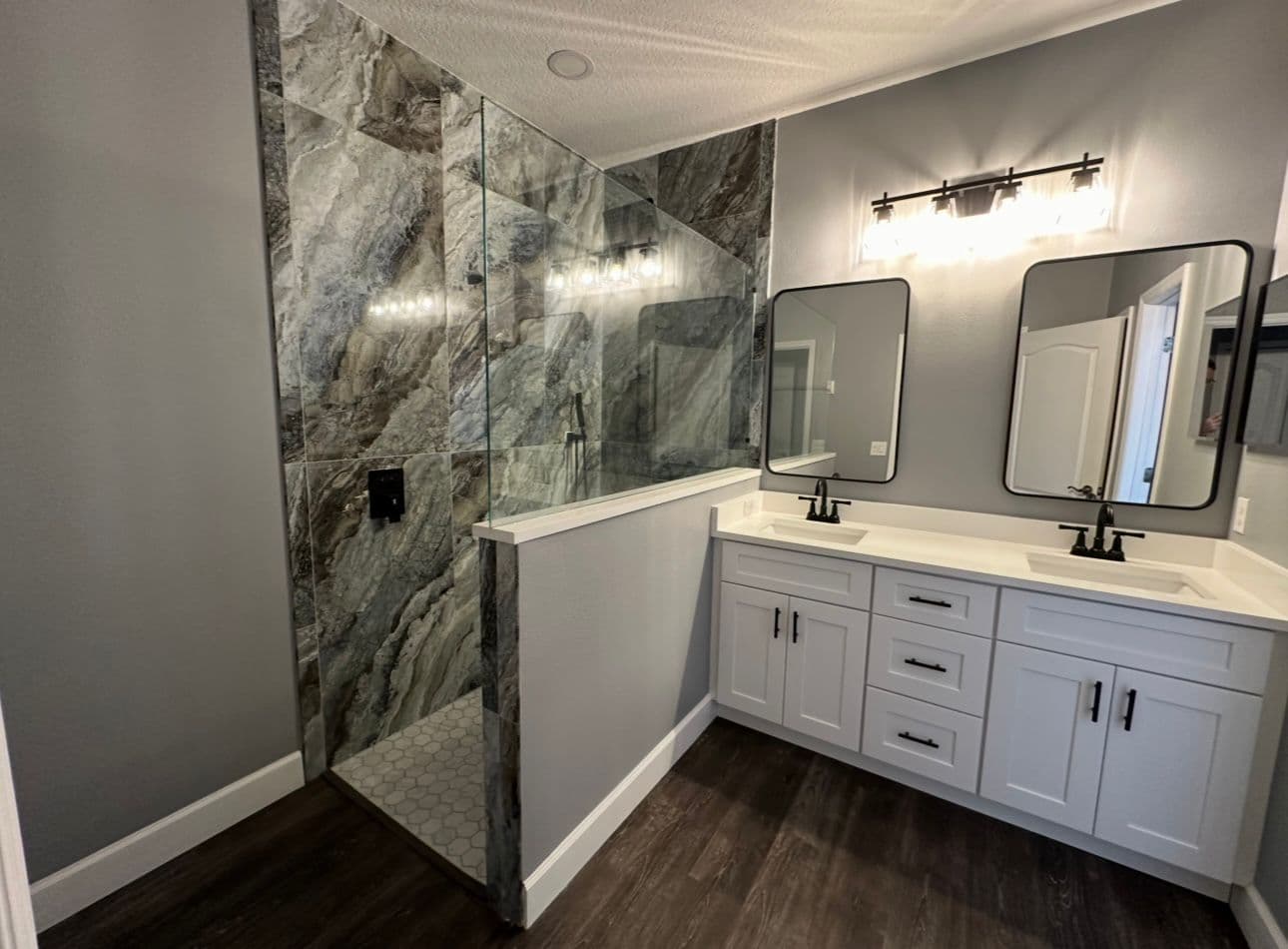
- Zero-threshold or low-threshold showers
- Securely installed grab bars
- Handheld showerheads
- Shower seating
- Non-slip tile or flooring
- Better lighting
- Comfort-height toilets
- Wider doorways
- Clearer turning space for walkers or wheelchairs
Accessibility changes may require more than one trade
A safe bathroom upgrade can involve plumbing, carpentry, tile work, electrical adjustments, and finish details. In a humid climate like ours, it is also smart to think about ventilation, moisture control, and durable materials that can stand up to everyday use.
If you are considering a bathroom remodel port charlotte fl, it is a good idea to plan for both function and moisture resistance, especially in homes where the bathroom has to serve as a long-term accessibility solution.
Other ways homeowners may reduce out-of-pocket costs
If Medicare is not the payer, that does not mean you have no options. It just means you may need to look beyond Medicare.
Possible sources of help to explore
Depending on your situation, you may want to ask about:
- Medicaid benefits, if you qualify
- Long-term care insurance, if you have it
- Veterans benefits, if applicable
- State or local aging-in-place assistance programs
- Nonprofit or community assistance programs
- Employer retiree benefits or supplemental coverage
- Personal funds or family support
Keep documentation organized
If you are seeking help from any program, keep these items together:
- Doctor’s recommendation
- Diagnosis or mobility-related notes
- Photos of the current bathroom condition
- Contractor estimates
- Product specifications
- Plan or program correspondence
This can make it easier to verify whether any part of the project qualifies for assistance.
What to expect when planning a bathroom remodel in Southwest Florida
Even when Medicare is not involved, homeowners often want a project that feels safer, cleaner, and easier to maintain. In Southwest Florida, planning also has to account for moisture, wear, and changing needs over time.
Questions to think through first
Before you start, consider:
- Is the main goal safety, comfort, or both?
- Does the user need a shower bench, grab bars, or more room to move?
- Will the bathroom need to work for a walker or wheelchair now or later?
- Is there an existing moisture issue that should be addressed first?
- Are you changing only the bath area or the full room?
Remodeling choices can affect scope and cost
The more a project changes the layout, tile, plumbing, or electrical system, the more involved it usually becomes. Costs can vary based on material selection, bathroom size, accessibility needs, and the condition of what is already there. Because every home is different, it is best to treat any estimate as project-specific rather than assume a flat price.
For homeowners comparing options, a local contractor can help explain how a safer layout might be built without overcomplicating the room. If you want broader remodeling help in the area, general contractor north port fl is a useful starting point for learning what a project may involve.
How to decide whether the project is worth doing now
A bathroom remodel can be worthwhile even if Medicare does not cover it. The right timing often depends on safety, daily comfort, and how long you plan to stay in the home.
Good reasons to move forward
You may want to begin planning if:
- Someone in the home has trouble stepping over a tub wall
- A fall or near-fall has already happened
- The bathroom is hard to clean or maintain
- The shower is too small or awkward to use
- You want to age in place more comfortably
- Mold, moisture, or worn finishes are making the room harder to use
When to slow down and get more input
Pause and gather more information if:
- You are waiting on a coverage decision from a plan
- Medical equipment needs to be selected first
- The bathroom has hidden moisture damage
- The layout may need structural changes
- You are unsure whether a small update or full remodel makes more sense
For design and condition issues that affect an aging bathroom, it can also help to read about why shower grout keeps cracking in Florida. Problems like cracking grout or recurring moisture can influence whether you should repair, refresh, or remodel.
Practical ways to talk with your doctor, insurer, and contractor
A smoother process starts with clear communication. Medicare rules are specific, so it helps to ask direct questions and document the answers.
Questions for your doctor
- Is a bathroom safety change medically advisable?
- Do you recommend any specific equipment?
- Is there a mobility or fall-risk concern we should document?
Questions for your insurance or Medicare Advantage plan
- Is any part of the bathroom upgrade covered?
- Do you cover home modifications or only medical equipment?
- Do I need prior authorization?
- Is the benefit limited to approved vendors or specific products?
Questions for your contractor
- What changes are required to make the bathroom safer and more accessible?
- Which parts are construction work versus product installation?
- Are there moisture-control or ventilation improvements that should be considered?
- Can the design be adjusted if mobility needs change later?
Clear answers can help you avoid mixing up medical coverage with remodeling costs.
FAQ
Does Medicare pay for a walk-in shower?
Usually no. A walk-in shower is generally considered a home modification, not a covered Medicare benefit.
Does Medicare cover grab bars in the bathroom?
Not typically as a remodel item. Medicare may cover certain medical equipment, but grab bars installed as part of a bathroom renovation are usually out of pocket.
Will Medicare pay for a shower chair or commode chair?
It may, if the item qualifies as durable medical equipment and is medically necessary under Medicare rules. Coverage depends on the item and the documentation.
Does Medicare Advantage ever help with bathroom remodeling?
Sometimes plans offer extra benefits, but it depends on the specific plan. Review the evidence of coverage or call the plan to confirm whether any home-modification benefit exists.
Can I get help if the bathroom is unsafe but Medicare won’t pay?
Possibly. Other sources may include Medicaid, veterans benefits, long-term care insurance, or community assistance programs, depending on eligibility.
Is a bathroom remodel worth it if I plan to age in place?
Often yes, especially if the room is hard to use safely. Even when insurance does not pay, a thoughtful remodel can improve accessibility, comfort, and day-to-day function.
Bottom line
Does Medicare pay for a bathroom remodel? Usually not. Original Medicare generally does not cover a bathroom renovation or other routine home modifications, even when they are being considered for safety or mobility. It may cover certain medically necessary equipment used in the home, but construction work is usually separate.
If you are a Southwest Florida homeowner trying to make a bathroom safer for aging in place, focus first on what Medicare may cover, then look at other benefits or private options for the remodel itself. A well-planned project can still make a meaningful difference, even when insurance does not pay for the finished room.