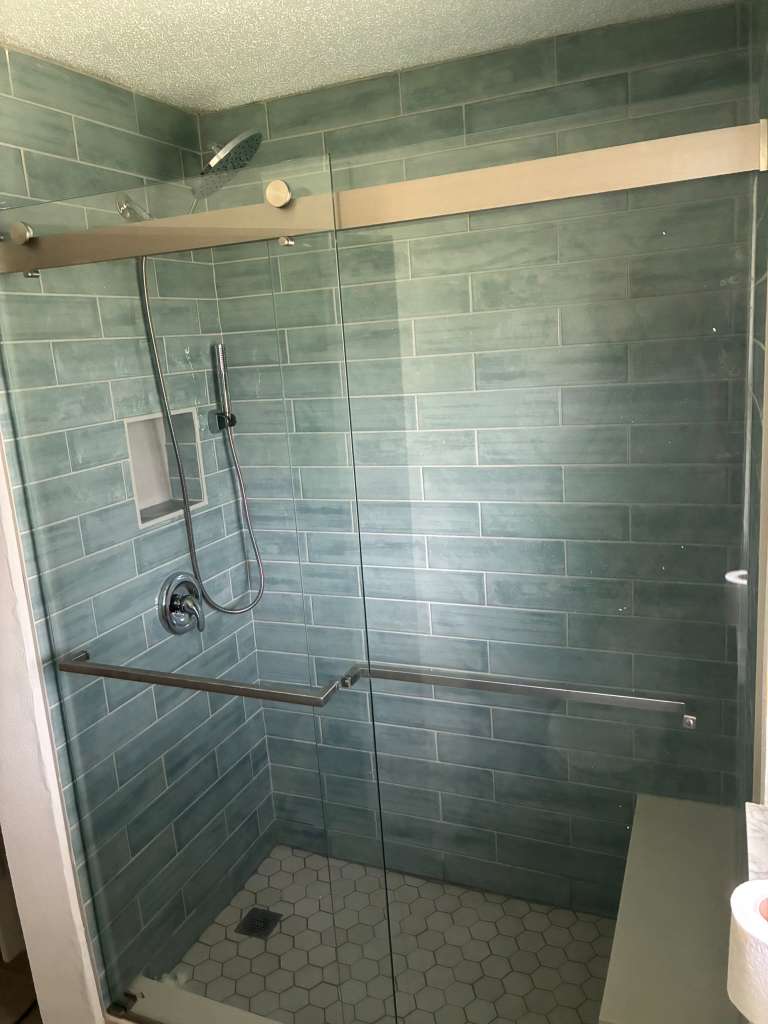
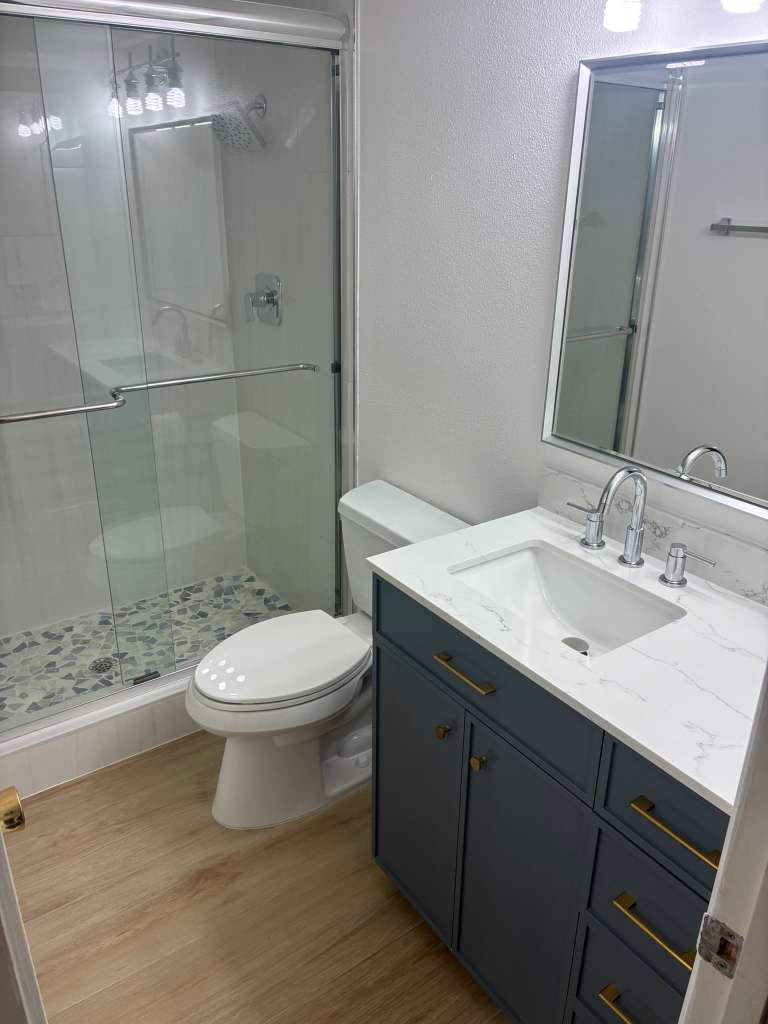
Bathroom materials may be purchased by the contractor, the homeowner, or both. There is no universal arrangement. The contract should state who selects, orders, pays for, receives, inspects, stores, returns, and warrants each product before anything is ordered.
This question often comes up early because homeowners want control over finishes while the contractor needs confirmed specifications, quantities, lead times, and compatible products.
Three common purchasing arrangements
Contractor-supplied materials
The contractor includes specified products or allowances in the proposal and coordinates ordering and delivery. This can simplify scheduling and product responsibility, but the agreement should still identify brands, model numbers, quantities, allowances, markups, substitutions, and approval steps.
Homeowner-supplied materials
The homeowner selects and buys defined items such as tile, faucets, mirrors, lights, or a vanity. This can provide direct control, but the homeowner may also carry responsibility for measurements, availability, delivery, damage, missing parts, returns, and manufacturer claims unless the contract says otherwise.
Mixed responsibility
Many projects use a mixed plan. A contractor may supply waterproofing, setting materials, drains, valves, fasteners, and construction materials while the homeowner selects finish tile, faucets, hardware, lights, and accessories. The dividing line must be written clearly.
What should the material schedule include?
A useful schedule identifies:
- Product name, manufacturer, model, finish, size, and color
- Quantity, waste factor, and spare material
- Who approves and who places the order
- Allowance amount and how overages or credits work
- Required-on-site date and expected lead time
- Delivery address, receiving responsibility, and storage location
- Who checks for damage, missing pieces, and color or dye-lot variation
- Return, restocking, cancellation, and replacement rules
- Product and labor warranty responsibilities
“Owner supplies tile” is not enough. The scope should also identify square footage, trim pieces, edge profiles, niches, benches, grout, transitions, and whether extra material must remain for future repairs.
Why compatibility must be confirmed before ordering
Bathroom products affect one another. A faucet must fit the vanity top and plumbing configuration. A shower valve trim must match the rough-in valve. A vanity must fit the wall, doors, outlets, and drain. Tile thickness affects transitions, drains, waterproofing details, and door clearances.
Share product links and specification sheets before purchase. A visual match does not prove that components are compatible.
Who handles damaged or delayed products?
The contract should answer that question before a shipment arrives. If the homeowner orders an item that arrives damaged or late, the schedule may change and return coordination may belong to the homeowner. If the contractor orders it, the contractor may handle the supplier—but the specific agreement still controls.
Inspect materials promptly and keep packaging until fit and condition are confirmed. Custom, clearance, and special-order items can have restricted return policies.
What if selections change after ordering?
A change can affect price, labor, rough plumbing, electrical locations, framing, waterproofing, schedule, and restocking fees. Use a written change order that records the new product, credit or added cost, schedule effect, and who is responsible for the old item.
Avoid asking a trade to “make it work” after an incompatible product arrives. A smaller written decision before ordering is usually less expensive than a field correction.
Questions to ask before signing
- Which materials are included in the base price?
- Which selections use allowances?
- Are taxes, delivery, and markup included?
- Who verifies measurements and compatibility?
- Who receives heavy deliveries or carries products into the home?
- When must every selection be final?
- What happens if an owner-supplied product delays the job?
- Who handles manufacturer warranty claims?
- Is labor to replace a defective owner-supplied item included?
Current purchasing arrangements should be confirmed for the actual project rather than inferred from another customer's conversation.
Sarasota bathroom-remodeling next step
Prepare a selection list before demolition and compare it with the written scope. For a bathroom remodel sarasota, ask the contractor to label every major product as contractor-supplied, homeowner-supplied, or allowance-based and to confirm required-on-site dates.
For additional selection help, review how to choose bathroom countertops before finalizing the vanity and faucet combination.
Frequently asked questions
Should I buy tile before hiring the contractor?
Usually it is safer to confirm quantities, installation details, trim pieces, lead time, and compatibility first. If you buy early, keep return deadlines in mind.
Does an allowance mean the product is free up to that amount?
An allowance is a budgeted amount within the contract. The agreement should explain taxes, markup, labor, overages, credits, and whether unused funds are returned or applied elsewhere.
Who warranties homeowner-supplied fixtures?
The manufacturer may cover the product while the contractor covers only the agreed installation labor. Confirm whether removal and reinstallation of a defective item is included.