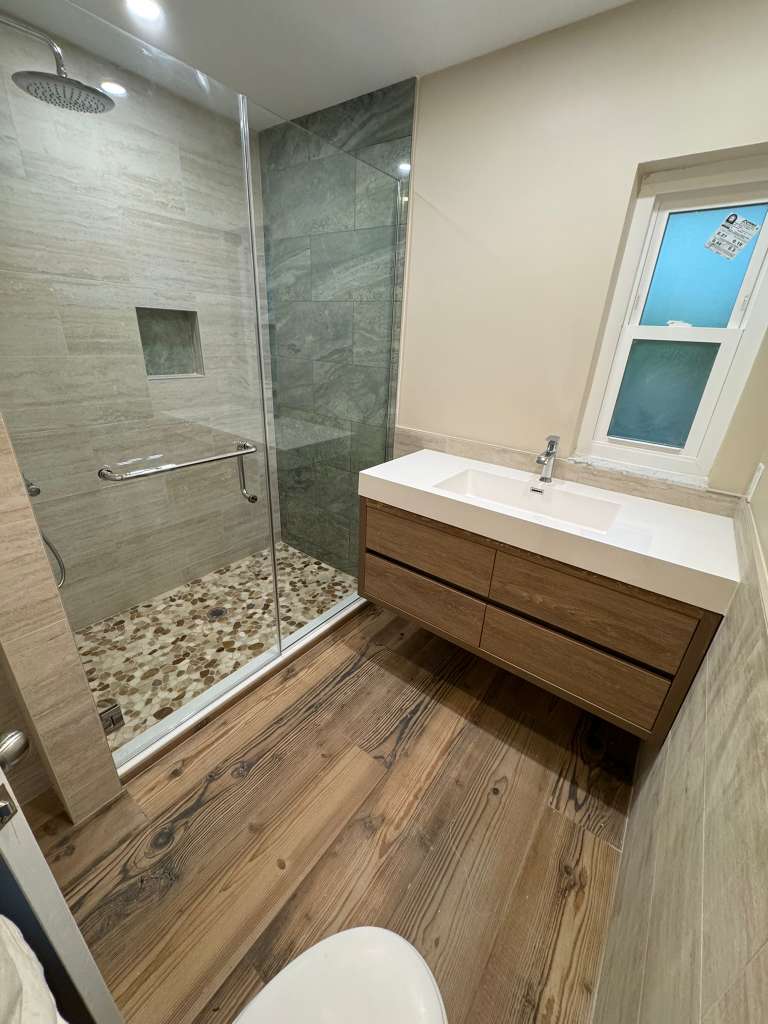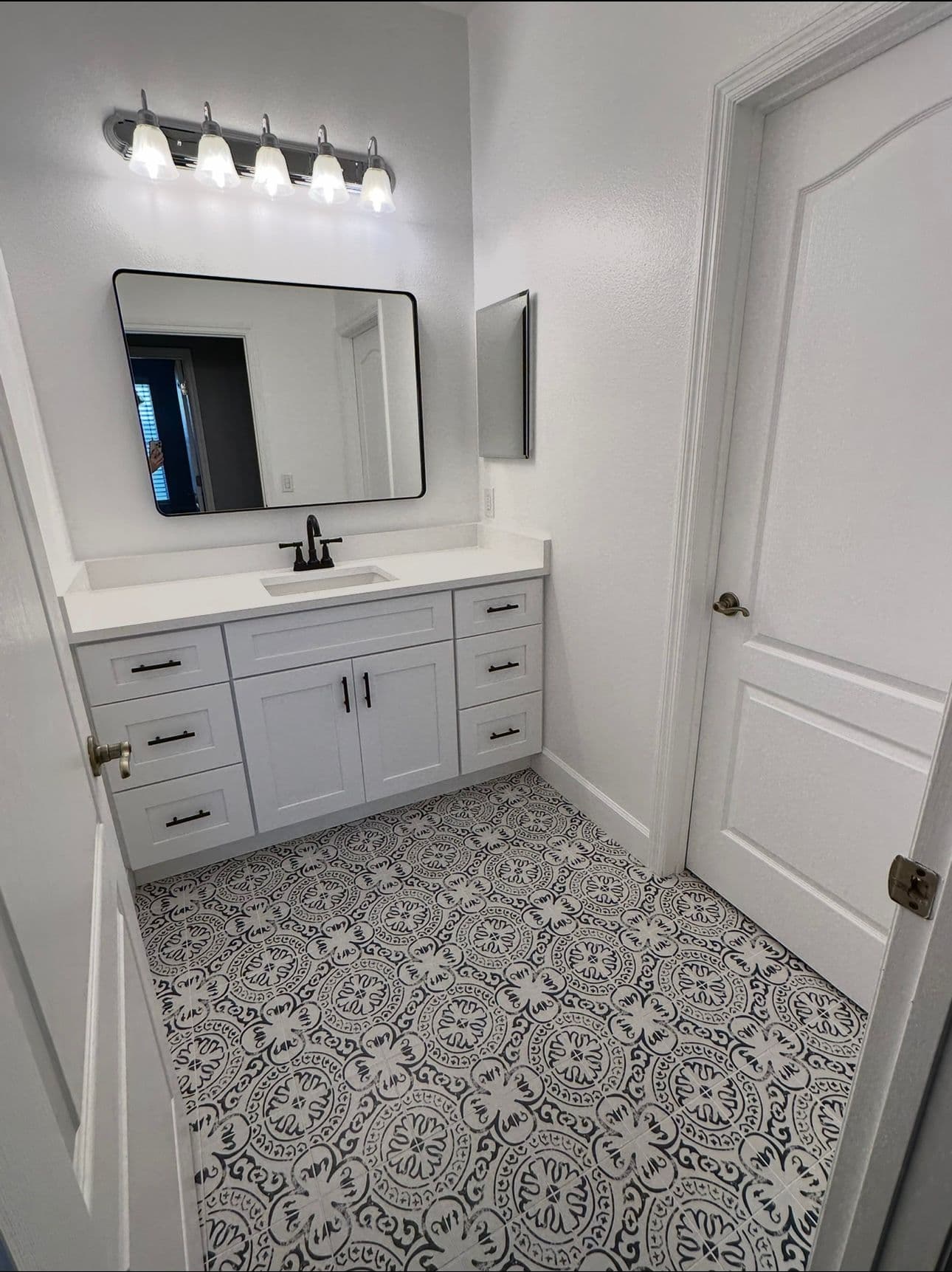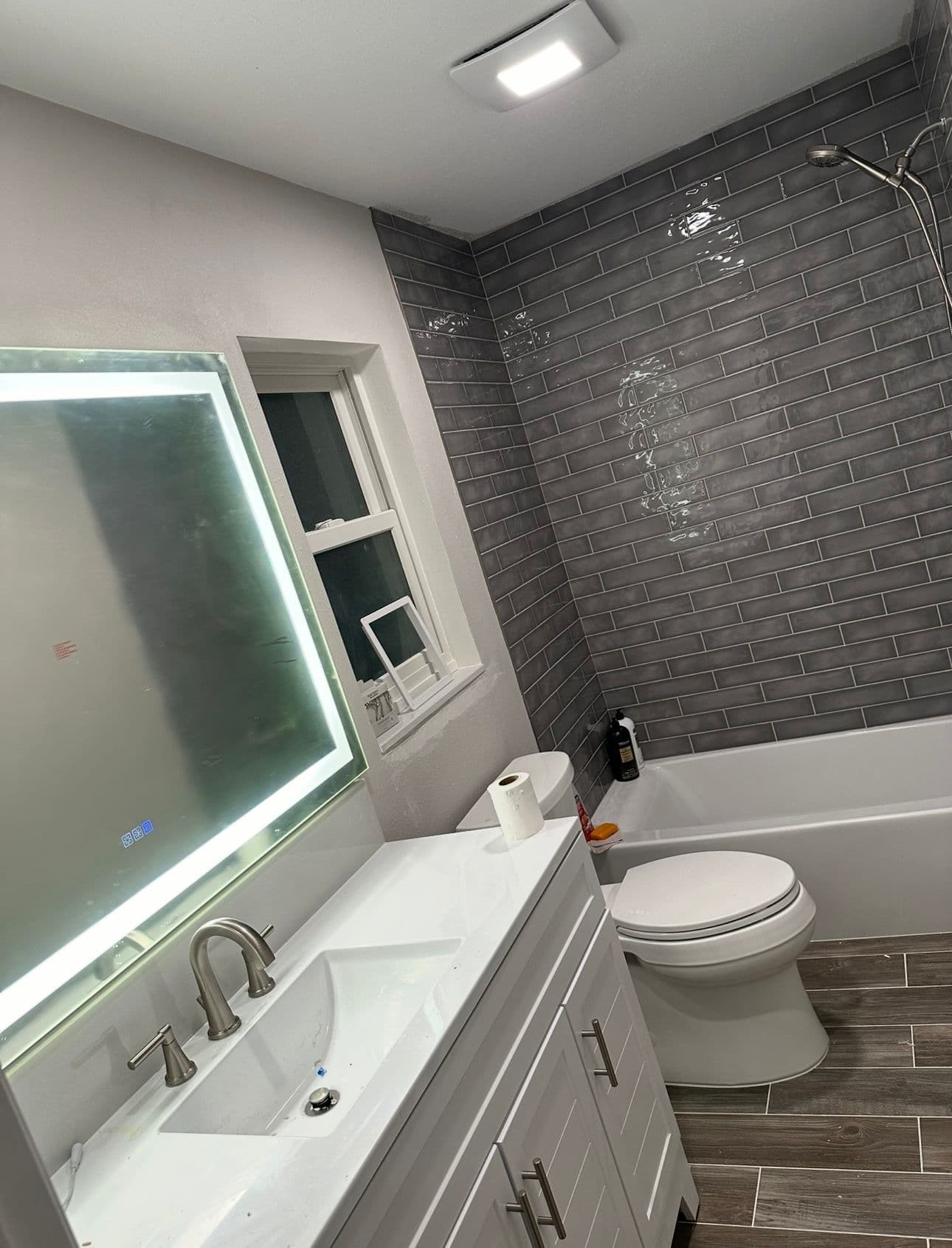
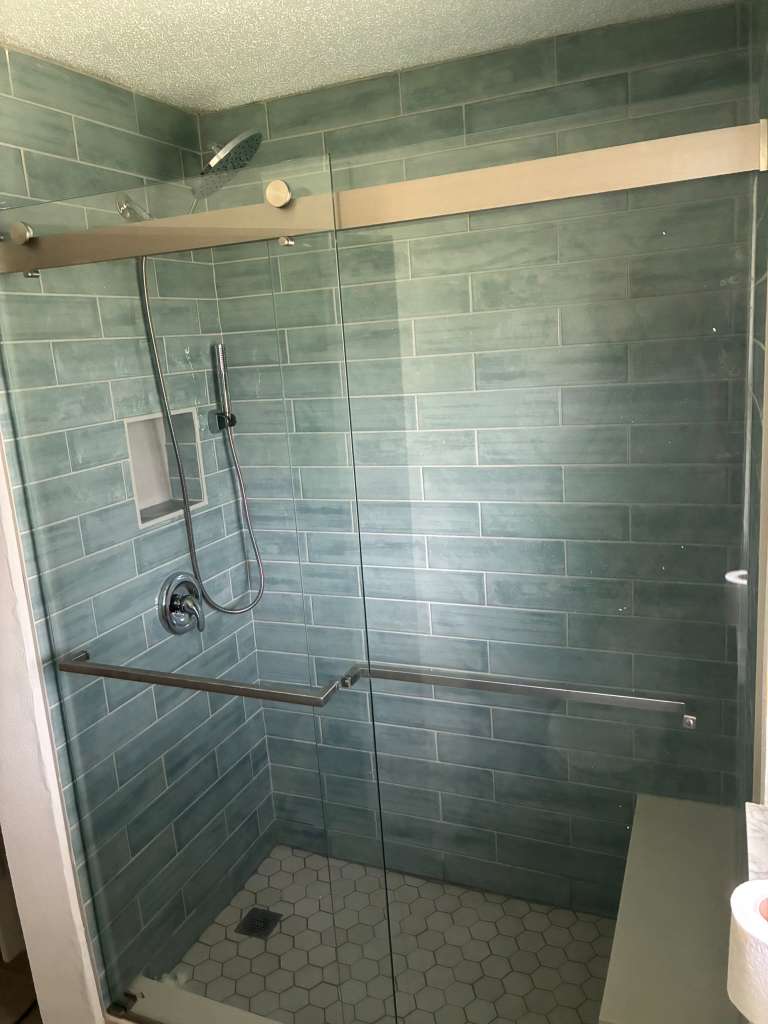
If you’re asking what is the best tile for a shower, the simplest answer is this: for most Southwest Florida homes, porcelain tile is the best all-around choice. It handles moisture well, stands up to daily use, and comes in enough colors, sizes, and textures to fit almost any bathroom style. That said, the tile itself is only part of the decision. A shower lasts when the waterproofing, backing, slope, and installation details are done correctly.
The short answer: porcelain is usually the best all-around shower tile
Porcelain tile is dense, durable, and naturally well-suited to wet spaces. In a shower, that matters a lot. Between humidity, frequent water exposure, soap residue, and constant temperature changes, you want a material that resists wear without demanding a lot of upkeep.
Why porcelain usually wins
- Low water absorption: Porcelain is less porous than many other tile options, so it is better suited to a shower’s wet conditions.
- Strong everyday durability: It holds up well to regular use, cleaning, and the occasional bump from bottles, brushes, or shower accessories.
- Flexible design options: It can look like stone, wood, concrete, or a classic subway tile without requiring the same maintenance as those materials.
- Good fit for Southwest Florida homes: In humid climates, a low-absorption material is a practical advantage.
If you want a dependable option that balances looks and performance, porcelain is usually the safest recommendation.
Wall tile versus floor tile: the best choice is not always the same
A shower wall and a shower floor do different jobs, so it helps to think about them separately.
Best tile for shower walls
For shower walls, porcelain is still the top choice. Large-format porcelain tiles can create a clean, modern look with fewer grout lines. That can make the shower feel bigger and easier to maintain.
Ceramic tile can also work well on shower walls, especially if you want a lighter budget option or a classic look. For walls, ceramic is generally more acceptable than it is for the floor because walls do not take the same direct wear and impact.
Best tile for shower floors
For shower floors, slip resistance becomes much more important than appearance alone. A smooth, large-format tile can be harder to use on a sloped shower floor, and it may not provide enough traction.
Smaller-format tiles, especially mosaics, are commonly used on shower floors because they:
- Follow the slope of the pan more easily
- Provide more grout lines, which can help with traction
- Make the floor surface less slick underfoot
If you are comparing options for a shower pan, choose a tile that is specifically suitable for wet flooring and that works with the shower’s slope.
Why porcelain is better than many other shower materials
Some materials look beautiful in a showroom but are harder to live with in a real shower.
Porcelain versus ceramic
Ceramic tile can be a reasonable wall option, but porcelain is generally denser and less absorbent. That makes porcelain the better choice when you want maximum moisture resistance and longevity.
Ceramic can still be used successfully in showers, especially on walls, but it is usually not the first pick when the goal is a low-maintenance, long-lasting shower.
Porcelain versus natural stone
Natural stone can be stunning, and some homeowners love the warmth and variation it brings. The tradeoff is maintenance. Stone often needs more sealing and more careful cleaning than porcelain.
If your priority is easy care, porcelain is usually the better answer.
Stone may be worth considering if you are comfortable with the extra upkeep and want a more natural look. Just keep in mind that beauty alone does not make it the best shower tile.
Porcelain versus luxury-looking alternatives
Some tiles are designed to mimic marble, slate, limestone, or other high-end finishes. In many cases, these porcelain options give you the appearance you want without the maintenance challenges of the real material.
That is one reason porcelain remains such a common recommendation for showers.
What matters just as much as the tile itself
Even the best tile will not perform well if the shower assembly behind it is poorly built. In fact, shower failures often start below the surface.
The shower needs proper waterproofing
A shower should be built with the right waterproofing system behind the tile. That includes the correct backing, moisture control, and installation details to keep water where it belongs.
If water gets behind the tile and into the wall structure, problems can follow, including:
- Mold growth
- Loose tile
- Cracked grout
- Hidden moisture damage
- Repairs that cost more than doing the job correctly in the first place
The backing and substrate matter
Tile should not be treated as the waterproof layer. The surface below it has to be prepared properly.
That means using the right materials and methods for the shower wall and floor assembly. The tile is the finish layer; the waterproof system is what protects the home.
Installation quality affects how long the shower lasts
Tile choice matters, but installation can matter just as much. A well-installed ceramic shower can outperform a poorly installed porcelain one. That is why homeowners should think about the full system, not just the tile name on the box.
What Southwest Florida homeowners should consider
Southwest Florida brings its own set of conditions that make shower planning a little more important.
Humidity and moisture are part of everyday life
High humidity can make bathrooms feel damp even when the shower is not in use. That means the shower needs materials that can handle repeated moisture exposure without unnecessary maintenance.
Porcelain fits that need well.
Sand, sunscreen, and frequent use can wear on finishes
In homes where the bathroom is used heavily after beach days, pool time, or outdoor work, showers can see extra wear. A tile with strong durability and easy cleaning is a practical advantage.
Style still matters
The best tile is not only functional. It should also suit the rest of the bathroom.
Popular looks that work well in Southwest Florida include:
- Clean white subway tile
- Large-format neutral porcelain
- Stone-look porcelain with soft veining
- Textured tile for a spa-like feel
- Simple mosaic floors paired with larger wall tile
If you want a design that feels timeless, porcelain usually gives you the broadest range of options.
How to choose the right shower tile for your project
If you are comparing shower tile options, it helps to use a simple checklist.
1. Decide where the tile will go
Ask whether the tile is for:
- Shower walls
- Shower floor
- Shower niche
- Bench or curb
The answer can change the best material and the best tile size.
2. Prioritize moisture resistance
For wet spaces, choose a tile that performs well in constant moisture. In most cases, that points you toward porcelain.
3. Think about cleaning and upkeep
If you want lower maintenance, choose a material and grout layout that is easy to keep clean. More grout lines often mean more upkeep, even if the look is attractive.
4. Match the tile to the slope and safety needs of the floor
Shower floors need traction and proper drainage. The right tile size and surface finish will make a big difference.
5. Do not separate the tile from the installation plan
The finish is only one part of the project. Make sure the waterproofing, backing, and setting method are part of the discussion from the start.
When ceramic tile may still be a good choice
Ceramic tile is not automatically the wrong choice. It can still be a practical and attractive option in some showers, especially on the walls.
Ceramic may make sense if:
- You want a classic wall look
- The tile is being used in a less demanding area of the shower system
- The design calls for a specific ceramic style or finish
- You are balancing appearance with a lower material cost
The key is to use it in the right place and install it correctly.
For some projects, a mix of materials works best. For example, porcelain on the shower floor and ceramic or porcelain on the walls may be a reasonable approach depending on the design and installation plan.
Common shower tile mistakes to avoid
A shower can look great on day one and still cause problems later if the wrong choices are made.
Choosing style before performance
A tile that looks beautiful but is too slippery, too porous, or hard to maintain can become a regret.
Using the wrong size on the floor
Large tile can be harder to use on a sloped shower base. The floor needs a tile format that supports drainage and traction.
Skipping waterproofing details
Tile alone does not stop water damage. The wall and floor assembly underneath has to be built for wet use.
Ignoring grout maintenance
More grout means more cleaning. That does not mean grout is bad, but it should be part of your decision.
Picking natural stone without planning for maintenance
Stone can be beautiful, but it is not the easiest option for everyone. If you want a shower that is simpler to care for, porcelain is usually the better fit.
A practical recommendation for most showers
If you want the most dependable, low-maintenance answer for a Southwest Florida shower, use this combination:
- Porcelain tile on the shower walls
- Small-format slip-resistant porcelain mosaic on the shower floor
That setup offers a strong mix of durability, moisture resistance, traction, and design flexibility.
If you are planning a broader bathroom update, it can help to think through the full remodel early, especially if the shower is part of a larger layout change. For homeowners comparing project scope and finish options, our bathroom remodel port charlotte fl page may be a helpful starting point.
How shower tile choice affects long-term value
The right tile choice can make a bathroom easier to live with and easier to maintain. That matters whether you plan to stay in the home for years or want the space to feel polished for guests and future buyers.
What homeowners tend to appreciate most
- A shower that is easy to clean
- A finish that stays attractive over time
- Materials that handle moisture well
- A design that feels current without being overly trendy
Porcelain checks those boxes better than most materials.
Why installation is part of value
A well-built shower can help protect the surrounding bathroom structure from leaks and moisture issues. That means the best tile is not just the one that looks good today; it is the one that supports a shower system built to last.
For more on one of the most common shower problems, see our related post on why shower grout keeps cracking Florida.
FAQ
Is porcelain tile better than ceramic for a shower?
Usually, yes. Porcelain is denser and less absorbent, which makes it a stronger all-around choice for shower environments. Ceramic can still work well on walls, but porcelain is usually preferred when moisture resistance and durability are the priorities.
What is the best tile for a shower floor?
A small-format, slip-resistant porcelain tile or mosaic is often the best choice for a shower floor. The smaller pieces follow the slope better and can improve traction underfoot.
Can natural stone be used in a shower?
Yes, but it usually requires more maintenance than porcelain. Stone can be beautiful, but it often needs more sealing and more care, so it is not usually the best low-maintenance option.
Is the tile or the waterproofing more important?
Both matter, but waterproofing is critical. Even the best tile will not protect the shower if the backing and waterproofing system are not built correctly.
Do bigger tiles work in showers?
Large-format tile can work well on shower walls and create a clean look. On shower floors, smaller tiles are often a better fit because they handle the slope and traction needs more effectively.
What is the easiest shower tile to maintain?
In most cases, porcelain tile with a sensible grout layout is one of the easiest options to maintain. It resists moisture well and generally cleans up more easily than natural stone.
Bottom line
If you are deciding what is the best tile for a shower, porcelain tile is usually the best all-around answer for Southwest Florida homes. It offers a strong combination of moisture resistance, durability, and design flexibility. For shower walls, porcelain is typically the top recommendation. For shower floors, choose a smaller slip-resistant tile that works with the slope and supports safer footing.
Just remember that tile choice is only part of the story. The backing, waterproofing, and installation details are just as important as the finish you see on the surface.