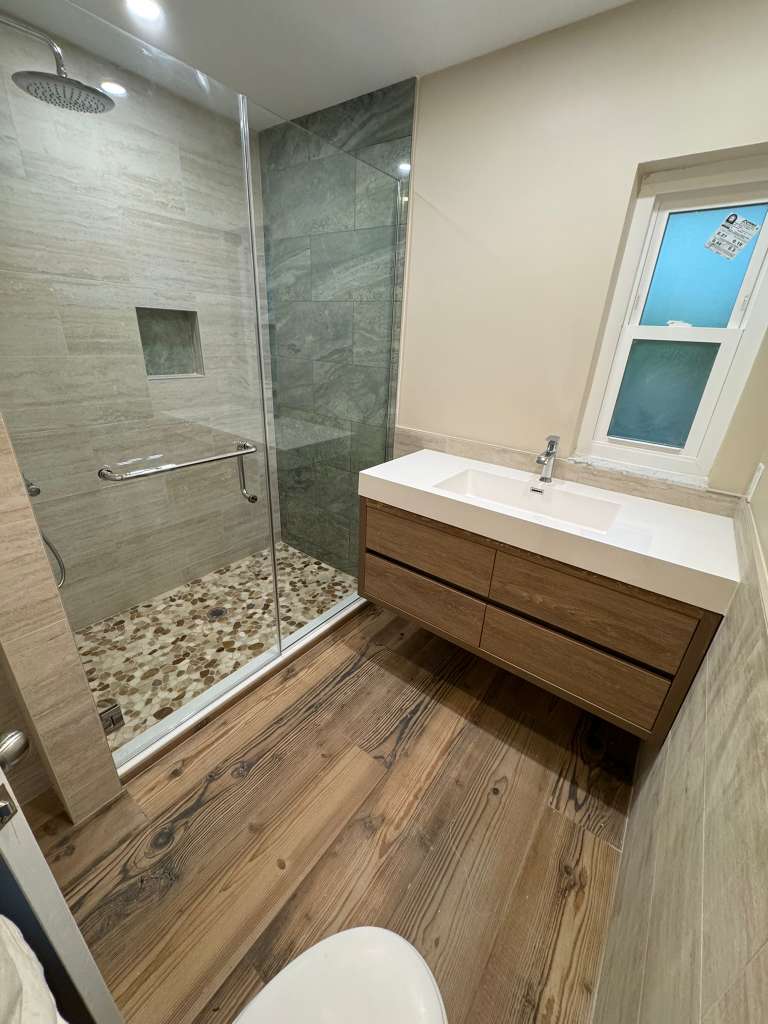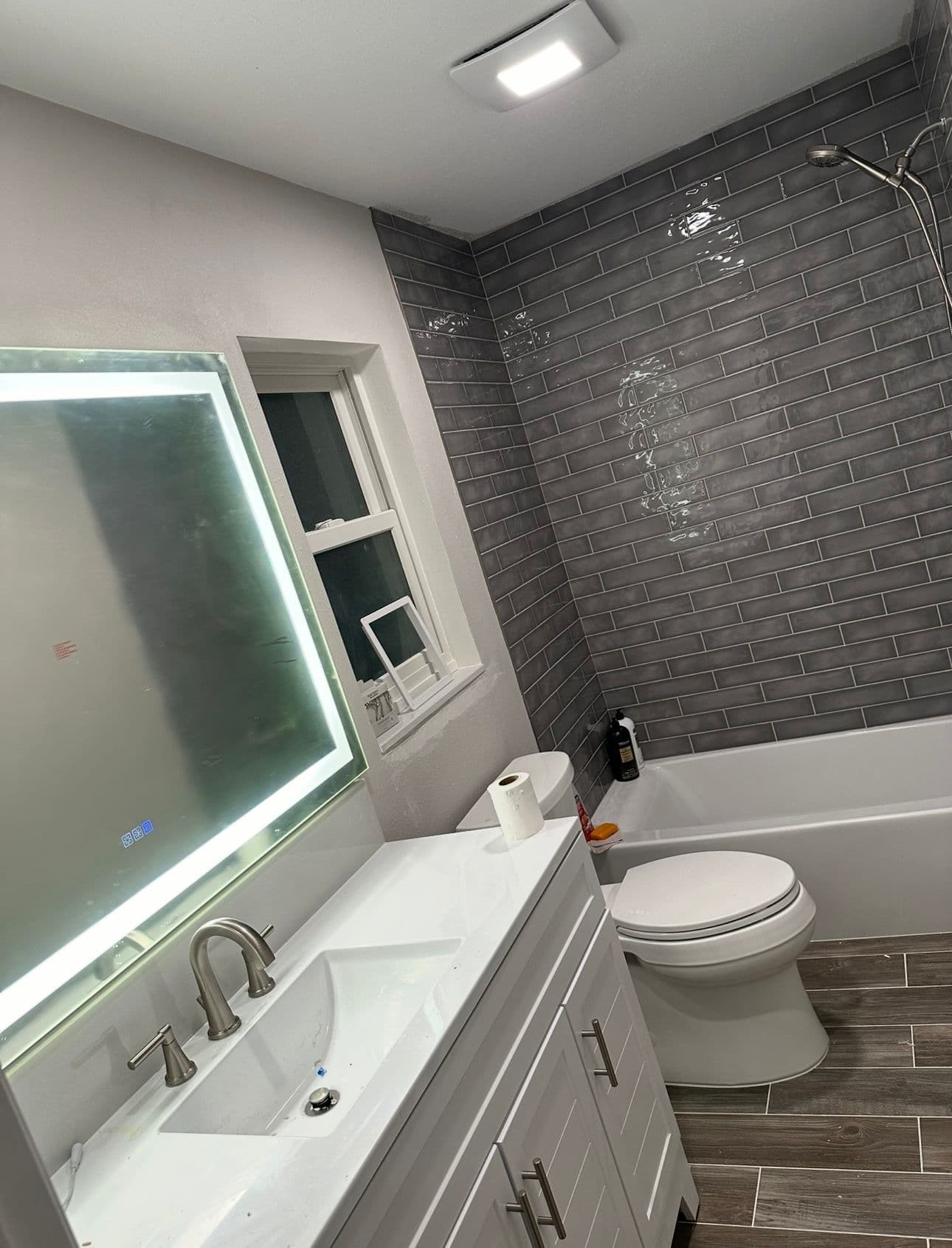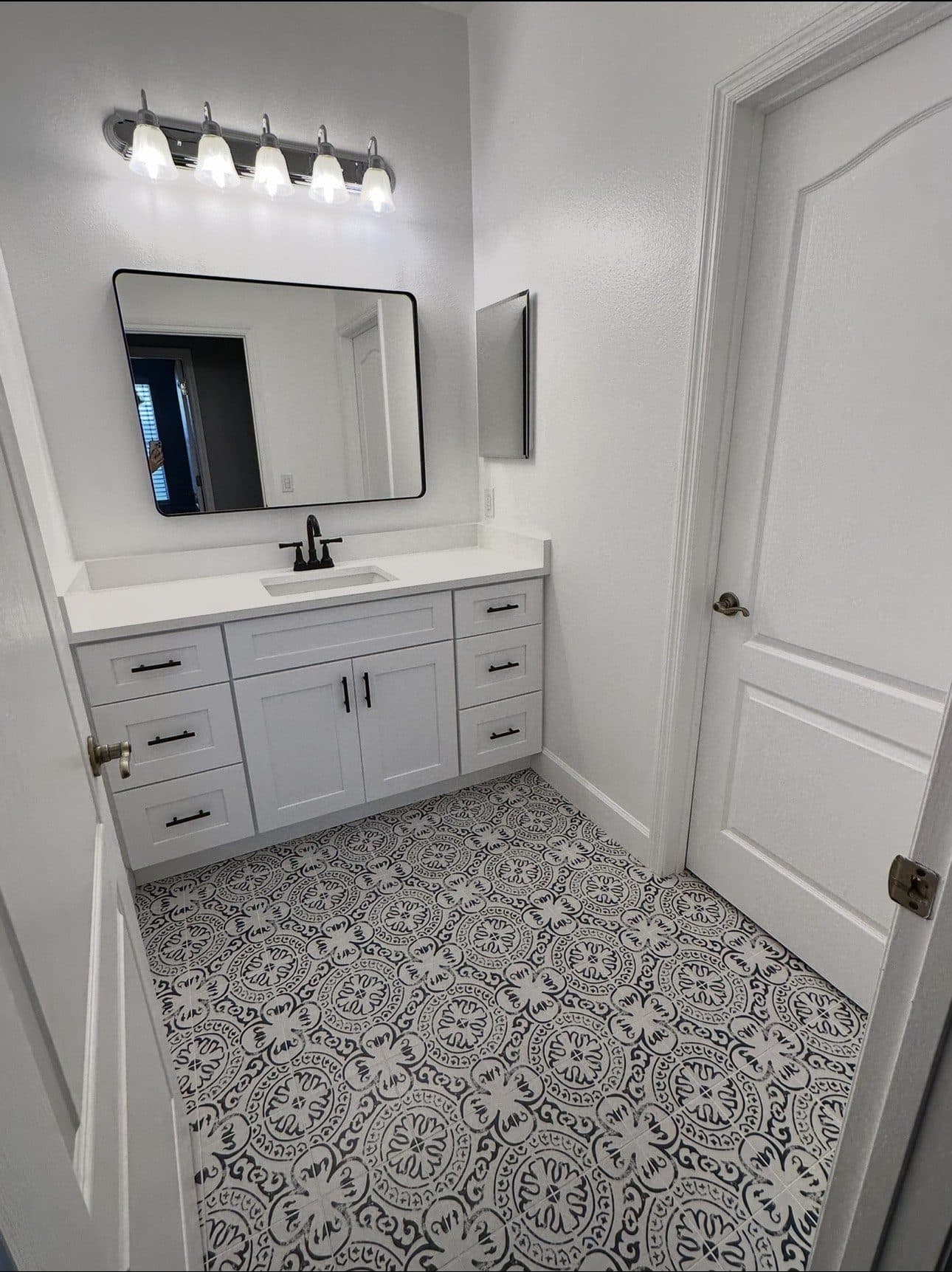
Yes, you can remodel a bathroom in stages. For many Southwest Florida homeowners, that can be a practical way to spread out the cost, keep part of the bathroom usable, and avoid taking on every decision at once. The tradeoff is that staged work can be less efficient if the phases are not planned together from the start. If you break the project up without a full roadmap, you may end up doing some work twice, delaying inspections, or creating moisture problems that are harder to fix later.
A staged bathroom remodel works best when you treat it like one complete project that is simply being completed in phases. That means deciding the final layout, materials, plumbing changes, ventilation plan, and finish selections before the first wall is opened. In a humid climate like ours, that early planning matters even more because the bathroom has to handle daily moisture, venting, and waterproofing correctly whether the remodel happens all at once or in steps.
Why homeowners choose to remodel in stages
There are a few common reasons homeowners ask, can you remodel a bathroom in stages?
To spread out the budget
A full bathroom remodel can involve demolition, plumbing, electrical work, waterproofing, tile, cabinetry, fixtures, paint, and trim. Staging the work may make it easier to manage cash flow by separating the project into smaller pieces.
To keep part of the bathroom usable
If the home only has one full bathroom, a phased approach may reduce disruption. Some homeowners keep the existing toilet or vanity in place until later in the project, or they update one area while another area remains functional.
To make decisions over time
Not every homeowner wants to choose all finishes at once. Staging can give you time to compare tile, fixtures, lighting, and storage solutions before committing to the final design.
To handle urgent repairs first
Sometimes a remodel starts because of a leaking shower, soft subfloor, water-damaged drywall, or poor ventilation. In that case, the most urgent work may need to happen first, with cosmetic updates scheduled later.
The biggest advantage: flexibility
A staged remodel can give you flexibility, but it only works well when the end goal is already clear.
What staged work can help with
- Spreading expenses over time
- Reducing how long the whole bathroom is out of service
- Allowing you to prioritize repairs over finishes
- Making it easier to update one system at a time
What can go wrong
- Rework if a later phase requires opening finished surfaces
- Higher labor costs if contractors have to return multiple times
- Mismatched finishes if later materials are no longer available
- Delays if plumbing, electrical, or tile work was not coordinated up front
The main question is not whether a staged remodel is possible. It is whether the sequence is planned well enough to avoid undoing completed work.
The right order matters more in Florida
Bathroom remodeling in Southwest Florida has a few extra considerations because of heat, humidity, and the need to manage moisture carefully. Florida homes can be especially sensitive to hidden water issues, especially in bathrooms where steam, splashing, and ventilation all interact.
Moisture control should come before finishes
Bathroom remodeling should not be treated like a simple cosmetic update. If there is a ventilation problem, a leak, or signs of hidden moisture, those issues need to be addressed before new finishes are installed. Once tile, drywall, paint, and trim are in place, it becomes harder and more expensive to correct what is behind them.
Ventilation needs to be part of the plan
Bathroom exhaust should discharge to the outdoors, not into an attic or another interior space. That helps reduce humidity buildup, which can contribute to mold, peeling paint, and damaged finishes over time. A fan that is too small, poorly located, or vented incorrectly can undermine the entire remodel.
Inspections still matter when work is phased
If your project includes plumbing, electrical, framing, or changes that require permits, the work usually has to be inspected before it gets covered. That means the staged sequence has to be organized so rough work can be reviewed before waterproofing, drywall, tile, or other concealed finishes go in.
If you are also looking at other rooms, general contractor north port fl can be a useful starting point for understanding how phased remodeling projects are typically coordinated.
A smart staged remodel sequence
The safest approach is to plan the bathroom as a single project, then divide it into logical phases. A common sequence looks like this:
- Planning and permit review
- Demolition or selective removal
- Plumbing, electrical, and HVAC rough-in
- Required inspections
- Waterproofing and enclosure work
- Tile, flooring, cabinetry, fixtures, paint, and trim
- Final detail work and punch list items
1. Planning and permit review
Before anything is removed, confirm the final scope. Decide which parts of the bathroom will change now and which will wait. This is also the time to determine whether permit-related work is involved.
2. Demolition or selective removal
Some staged projects involve a full tear-out. Others only remove a shower, vanity, or damaged wall area. Selective demo can make sense if part of the room must stay functional, but it still needs to be planned carefully so the next phase does not force another demolition later.
3. Rough-in work
If the remodel changes plumbing, wiring, or ventilation, that work should be completed before walls are closed. This is one of the biggest places where staged projects can go wrong if the final layout was not decided early.
4. Inspections
Any required inspections should happen before concealed work is covered. That may include rough plumbing, electrical, or framing inspections depending on the project scope.
5. Waterproofing and enclosure
Once the rough work is approved, the next priority is the moisture barrier, shower pan, backer board, and any other enclosure details that protect the bathroom structure. This is especially important in shower and tub areas.
6. Finishes
Tile, flooring, vanities, countertops, fixtures, mirrors, lighting, paint, and trim come later. At this stage, the project starts to look finished, but the earlier technical steps are what protect the room long term.
7. Final punch list
A staged remodel may end with a small list of adjustments such as caulking, fixture alignment, paint touch-ups, or hardware changes. Keeping a punch list helps prevent the project from dragging on after the main work is complete.
For homeowners comparing bathroom planning topics, this related guide may also be helpful: bathroom remodeling ideas north port home value.
When staging makes sense and when it does not
Staging is not the right choice for every bathroom. The best decision depends on the condition of the room, the scope of the changes, and how long you can comfortably live with the project in progress.
Staging may make sense if:
- You want to update the bathroom in phases because of budget timing
- The bathroom can remain partly functional during the remodel
- The final design is already decided, even if the work is split up
- Only one part of the room needs urgent repair right now
- You are planning a larger home update and want to phase the work across months
Staging may not make sense if:
- The project requires major plumbing changes throughout the room
- Hidden water damage is likely in several areas
- The shower, floor, and vanity all need to be replaced at once
- You would have to remove finished work again to continue the next phase
- The bathroom is the only one in the house and the disruption would be too difficult to repeat
In some cases, a complete remodel may actually be simpler and less disruptive than a staged one because it avoids duplicate labor and repeated downtime.
How to avoid rework in a staged bathroom remodel
The biggest risk in a phased bathroom project is that one stage creates a conflict with the next. You can reduce that risk by making decisions early and keeping the whole bathroom design connected.
Start with the finished layout
Even if you are only doing part of the work now, decide where the shower, vanity, toilet, outlets, lights, and storage will end up. That helps avoid moving plumbing or wiring twice.
Choose compatible materials early
If you know you want specific tile, a certain vanity size, or a particular shower system, confirm those details before demolition begins. Materials that seem easy to replace later may not be easy to match later.
Coordinate moisture protection with the finish plan
Waterproofing and ventilation are not optional details to save for later. They should be built around the final design so the room is protected from the start.
Keep documentation
Save product information, measurements, finish selections, and permit-related paperwork. That makes the next phase easier to manage and helps avoid surprises if the project resumes weeks or months later.
What homeowners in Southwest Florida should pay close attention to
Bathrooms in our area deal with heat, humidity, and seasonal moisture, so small mistakes can become expensive later.
Ventilation and humidity
A bathroom fan should actually move moist air outdoors. If the fan is weak, noisy, poorly located, or vented incorrectly, humidity can linger and affect drywall, paint, cabinets, and grout.
Tile and grout maintenance
If you are keeping part of the room in use while the remodel continues, protect exposed surfaces from dust and moisture. Temporary protection can help, but it should not substitute for proper sealing and installation.
Signs of water damage
Soft flooring, bubbling paint, recurring mildew, staining, and loose grout may point to deeper problems. Those should be evaluated before new finishes are installed, not after.
Practical questions to ask before you stage the project
Before you commit to a phased remodel, ask these questions:
- What is the final scope of the bathroom, even if the work happens in parts?
- Which phase must happen first to prevent damage or rework later?
- Will the bathroom remain usable during each stage?
- Does any part of the project require permits or inspections?
- Are there moisture or ventilation issues that need to be fixed before finishes?
- Will any later phase require tearing out work completed now?
These questions help you decide whether staging is a smart strategy or just a way to delay a larger project.
FAQ
Can you remodel a bathroom in stages without doing extra work later?
Yes, but only if the entire project is planned as one system. If the layout, plumbing, and ventilation are not decided up front, later stages may require reopening finished surfaces.
Is it cheaper to remodel a bathroom in stages?
Not always. Staging can make the cost easier to manage over time, but it may increase labor or coordination costs if contractors need to return multiple times or undo earlier work.
What part of a bathroom remodel should happen first?
Planning should happen first, followed by demolition and any rough plumbing, electrical, or ventilation work. Finishes should come after those systems are approved and any needed inspections are complete.
Do I need a permit if I only remodel part of the bathroom?
It depends on the scope of work. Plumbing, electrical, framing, and certain structural changes may require permits and inspections even if the remodel is being done in phases.
Can I keep using my bathroom during a staged remodel?
Sometimes, yes. That depends on the layout of the home, the scope of the work, and which parts of the bathroom are being updated. The goal is to keep the room functional without creating safety or moisture issues.
What is the biggest mistake people make with staged bathroom remodels?
The biggest mistake is starting cosmetic work before the technical pieces are settled. If moisture control, ventilation, plumbing, or inspections are not planned first, the project can become more expensive and harder to finish.
A staged bathroom remodel can be a smart choice in Southwest Florida, especially if you want to manage the project in pieces. The key is to plan the full bathroom first, then phase the work in the right order so you do not create moisture problems or rework later. If you want help thinking through the sequence for your home, a bathroom remodel port charlotte fl project should always start with a clear plan for the whole room, even if the construction happens in stages.