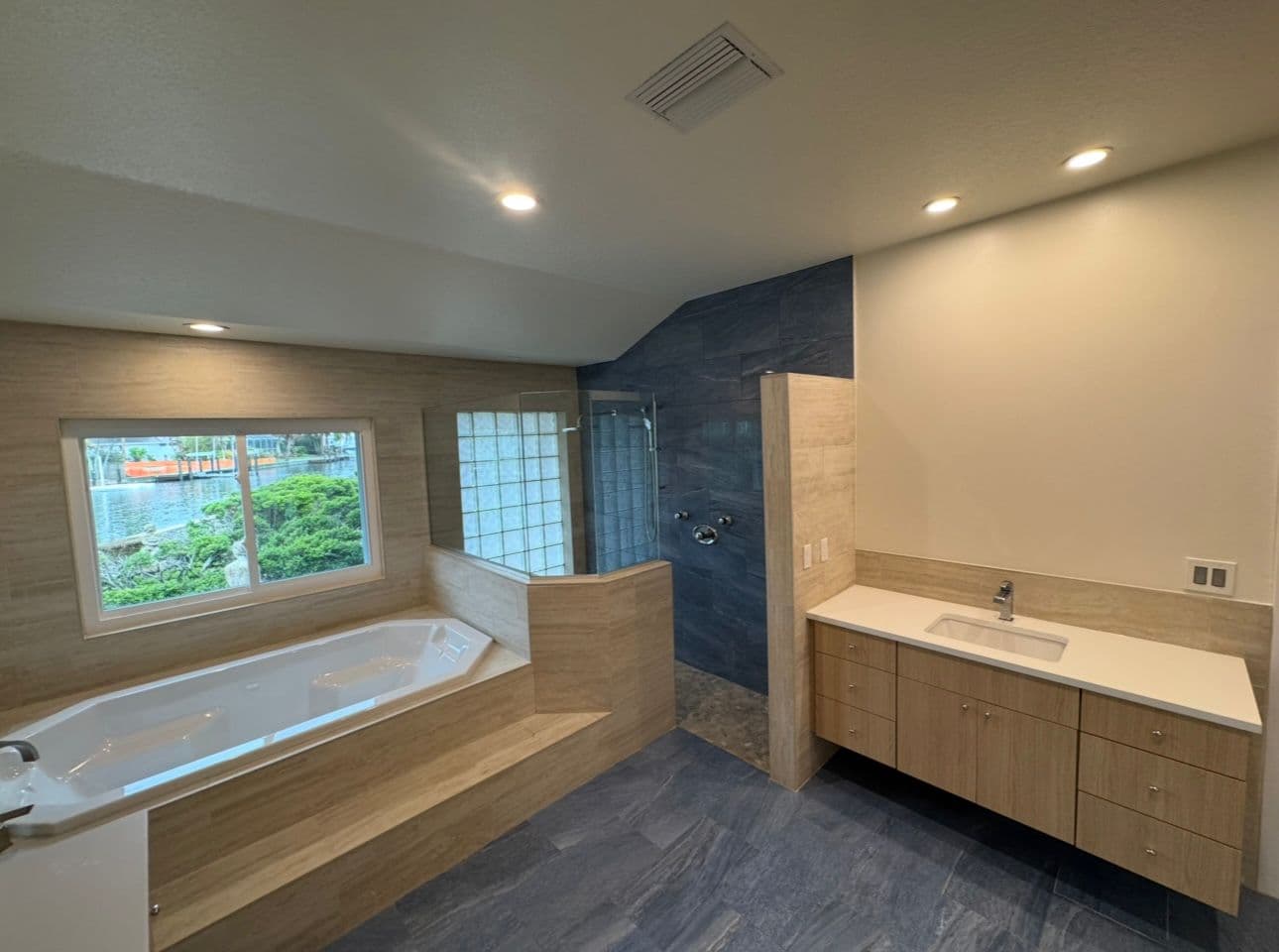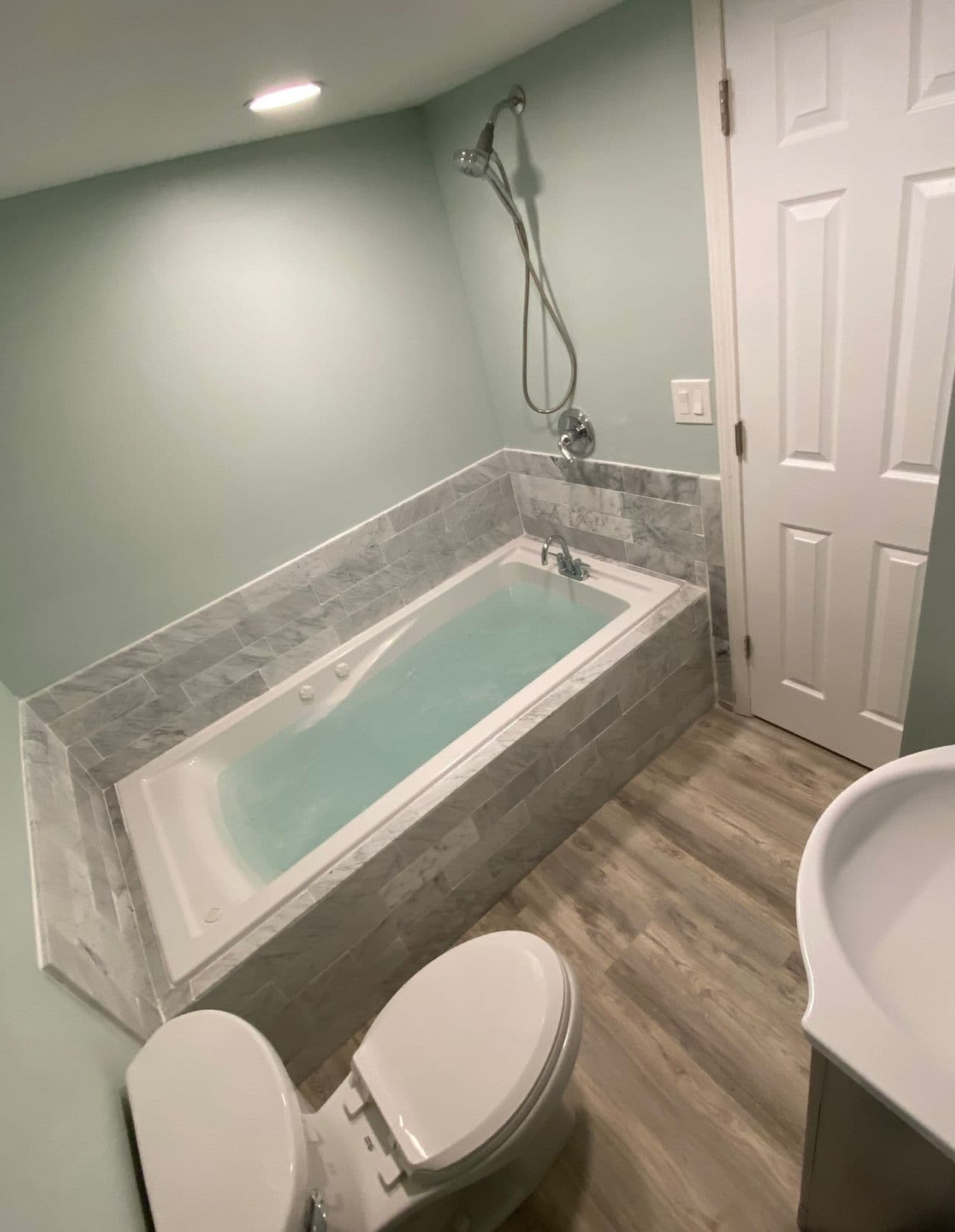
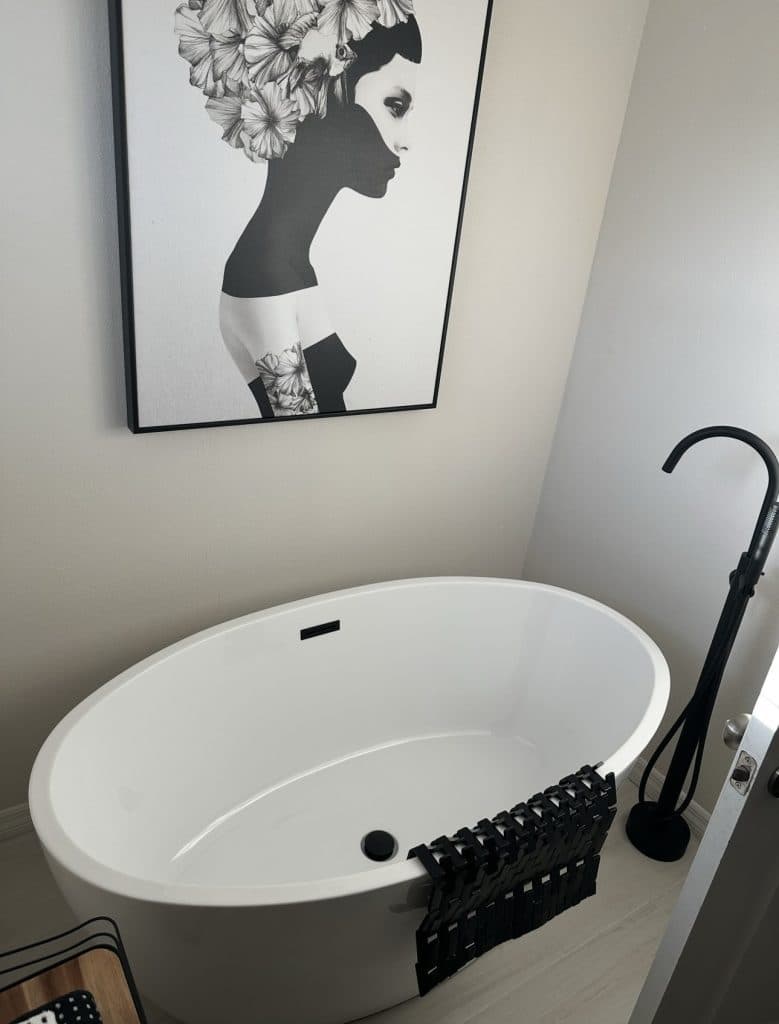
An acrylic bathtub is a tub made with an acrylic shell, often reinforced with fiberglass underneath, and it is a popular option because it is lightweight, smooth, and relatively easy to clean. For many Southwest Florida homeowners, that combination can make acrylic a practical choice when you want a bathtub that is easier to handle than heavier materials and available in many shapes and styles.
What an acrylic bathtub is made of
Acrylic tubs start with an acrylic sheet that is heated and formed into shape, usually by vacuum molding. After that, the shell is often reinforced, commonly with fiberglass, to give the tub more strength and structure.
The basic layers
A typical acrylic bathtub may include:
- An acrylic surface layer that creates the glossy finish
- A reinforced backing layer, often fiberglass
- A supporting base or framing system beneath the tub
The exact construction can vary by manufacturer and model, which is one reason two acrylic tubs can feel different in person even if they look similar online.
Why the surface matters
The top layer is what homeowners notice most. Acrylic has a smooth, nonporous feel that tends to resist staining and is usually easy to wipe down. That makes routine cleaning simpler than with some textured or porous tub materials.
Why acrylic tubs are so common in bathrooms
Acrylic is used in many bathroom remodels because it balances cost, appearance, and practical handling. It is not the only tub material, but it is one of the most common for homeowners who want a versatile option.
Lightweight for easier installation
Compared with cast iron and some other materials, acrylic is much lighter. That lower weight can simplify installation, especially when a bathroom layout makes access tight or when the subfloor and framing need to be considered carefully.
Flexible in style
Acrylic tubs come in many shapes and sizes. Homeowners can find them in:
- Alcove tubs
- Drop-in tubs
- Freestanding tubs
- Whirlpool-style tubs
That design flexibility makes acrylic useful in both compact hall baths and larger primary suites.
Comfortable for everyday use
Many people like acrylic because it tends to warm up faster than very heavy materials. The surface can feel comfortable, and the smooth finish often gives the tub a clean, modern look.
Advantages homeowners usually notice
Acrylic bathtubs have several practical benefits, especially when homeowners are planning a bathroom update rather than a full luxury spa build.
Easy to clean
The nonporous surface helps make maintenance simple. In most cases, gentle cleaning products and a soft cloth are enough for routine care. Harsh abrasives are usually unnecessary and may damage the finish.
Resistant to chipping and cracking under normal use
Acrylic is generally durable, and manufacturer guidance often describes it as resistant to chipping and cracking in everyday conditions. That said, durability depends on the specific product, how it is installed, and how it is used over time.
Good option for many remodels
Because acrylic tubs are so common in standard bathroom configurations, they can work well in a range of remodeling projects. They are often selected when homeowners want a straightforward replacement or a bathroom refresh without changing the room’s basic footprint.
If you are comparing bathroom options as part of a larger update, it can help to review the overall plan for the room, not just the tub itself. This is especially true in projects handled by remodeling contractors Venice FL, where the tub often has to fit an existing layout, plumbing location, and wall finish.
Tradeoffs to understand before you choose one
Acrylic tubs are practical, but they are not perfect for every home. Knowing the tradeoffs helps set realistic expectations.
They need proper support
Acrylic can be less rigid than very heavy tub materials. That means the tub needs a properly prepared base and enough support underneath. If the support is poor, the tub may flex, which can lead to problems over time.
Surface damage can happen
While acrylic is durable, it is still possible to scratch or damage the finish if the tub is hit by hard objects or cleaned with the wrong products. In some cases, surface issues may be repairable, but that depends on the extent of the damage.
Quality varies by model
Not every acrylic tub is built the same way. Thickness, reinforcement, and overall design all affect how solid the tub feels. A better-built acrylic tub may cost more, but it can also offer a better user experience.
How acrylic compares with other common bathtub materials
Homeowners often ask how acrylic stacks up against other bathtub materials. The short answer is that it is usually a balanced middle-ground option.
Acrylic vs. cast iron
Cast iron tubs are very heavy and extremely rigid, but that weight can make installation more complicated. Acrylic is much lighter and easier to handle, though it may feel less substantial.
Acrylic vs. fiberglass
Acrylic and fiberglass are often compared because they can look similar in a store. In general, acrylic tubs are often considered more durable and finished than basic fiberglass tubs, while fiberglass may be lower cost but less durable over time.
Acrylic vs. porcelain-enameled steel
Porcelain-enameled steel tubs can be strong and smooth, but they may feel colder and can chip if the enamel is damaged. Acrylic tends to be quieter, warmer to the touch, and easier to shape into a wide variety of designs.
What installation means for Southwest Florida homes
In Southwest Florida, bathroom remodels often involve existing slab construction, older plumbing layouts, and tight access in alcove bathrooms. That makes planning especially important when replacing a bathtub.
Plumbing access matters
Manufacturer guidance often notes that acrylic tubs need proper access for plumbing connections during installation. If the plumbing is difficult to reach, the project may require additional preparation.
Subfloor and framing still matter
Even though acrylic is lighter than cast iron, the tub still needs a stable, level base. This is especially important in homes where the bathroom has already seen settling, moisture wear, or previous remodeling work.
Moisture-aware planning is wise
Southwest Florida’s humid climate makes it especially important to plan for ventilation, waterproofing, and careful installation details around the tub area. A new tub alone will not fix a moisture problem if the surrounding walls, caulk, or plumbing are failing.
For homeowners who are already seeing recurring bathroom moisture issues, it can help to look at the bigger picture too. This related guide on why bathroom mold keeps coming back in North Port explains why the problem may return if the underlying cause is not addressed.
When an acrylic bathtub makes sense
Acrylic is a good choice for many homeowners, but especially in situations where you want practical performance without a heavy, high-maintenance tub.
Good fit if you want:
- A lighter tub for easier handling
- A smooth surface that is easy to clean
- More shape and style options
- A tub that can work in many standard bathroom layouts
- A balance of appearance and day-to-day practicality
It may be less ideal if you want:
- The substantial feel of a very heavy material
- A tub that can tolerate rough handling without concern
- A premium material specifically chosen for weight and mass
What to check before buying one
Before choosing an acrylic bathtub, it helps to ask a few practical questions.
Measure the space carefully
Bathtubs are not one-size-fits-all. Measure the alcove, opening, or platform area, and account for walls, trim, plumbing, and the path the tub must take into the bathroom.
Ask how the tub is reinforced
The shell may look similar from one model to another, but reinforcement and thickness can change the way it performs.
Confirm support requirements
Make sure the tub will be installed on a properly prepared base. A tub that is not adequately supported may not perform as expected.
Think about the whole bathroom
A bathtub replacement often leads to other updates, such as wall surrounds, flooring, fixture changes, or better ventilation. If you are already planning a broader bathroom remodel, it can be useful to consider how the tub fits into the entire project.
Common questions homeowners ask
Is an acrylic bathtub the same as a fiberglass bathtub?
Not exactly. They can look similar, but acrylic tubs usually have a different surface and are often considered more durable than basic fiberglass tubs. Construction details vary by product.
Do acrylic tubs scratch easily?
They can scratch if treated roughly or cleaned with abrasive products, but everyday care is usually simple. Using gentle cleaners and avoiding harsh scrubbing helps protect the finish.
Are acrylic tubs good for busy family bathrooms?
Yes, often they are. The easy-clean surface and many available shapes make them a practical option for bathrooms that get regular use.
Can an acrylic bathtub be repaired if it gets damaged?
Sometimes. Minor surface issues may be repairable, but the outcome depends on the type and depth of the damage. A professional can usually help assess whether repair or replacement makes more sense.
Does an acrylic tub work in a remodel with an older home?
Often, yes. Acrylic is common in replacement projects, but older homes may need plumbing adjustments, subfloor checks, or support improvements before installation.
Choosing the right bathtub for your home
The best bathtub is the one that fits your space, your routine, and your remodeling goals. Acrylic is a strong contender if you want a tub that is lighter, easy to clean, and available in many styles. It is also a sensible option when you want a straightforward replacement without adding unnecessary complexity to the project.
For homeowners comparing tub choices as part of a larger bathroom update, the decision usually comes down to more than material alone. Installation conditions, plumbing access, support, and the surrounding finishes all matter. If you are planning a full remodel, a local contractor can help evaluate whether acrylic is the best fit for your layout and goals.
FAQ
How long does an acrylic bathtub usually last?
Lifespan depends on the quality of the tub, installation, and daily care. A well-made, well-supported acrylic tub can last for many years.
Is acrylic better than fiberglass?
Many homeowners prefer acrylic because it often feels more durable and has a smoother finish. Fiberglass may cost less, but it can be less durable depending on the product.
Can acrylic bathtubs be used with shower-tub combinations?
Yes. Acrylic is commonly used in tub-shower setups because it is versatile and comes in many alcove sizes.
Do acrylic tubs need special cleaning products?
Usually no. Mild, nonabrasive cleaners are typically enough. It is best to avoid harsh scrubbers and strong chemicals that could dull the finish.
Is an acrylic bathtub a good choice for Florida homes?
Often, yes. The lightweight design, easy maintenance, and broad style options make acrylic a practical fit for many Florida bathrooms, especially when installation and moisture control are planned carefully.