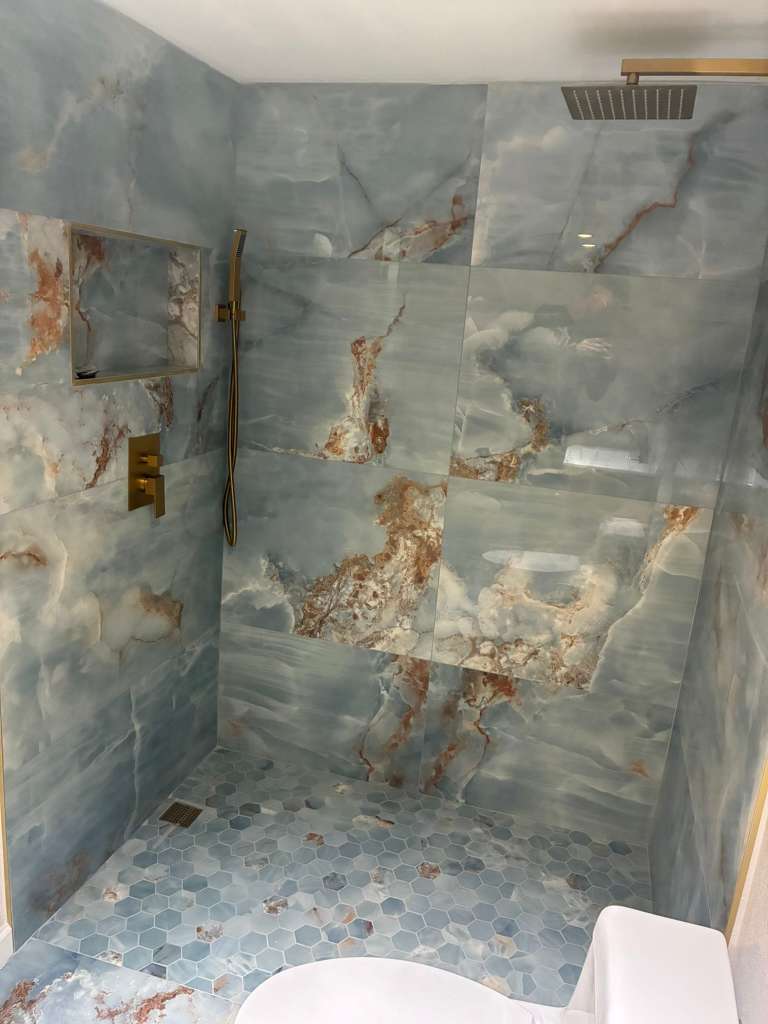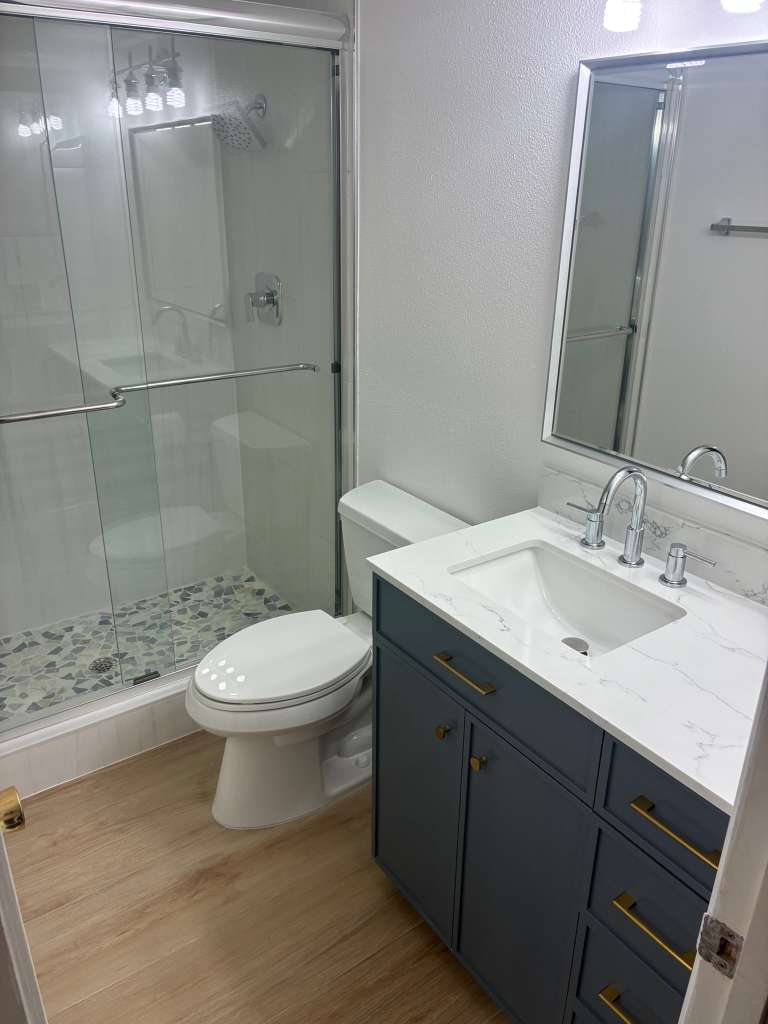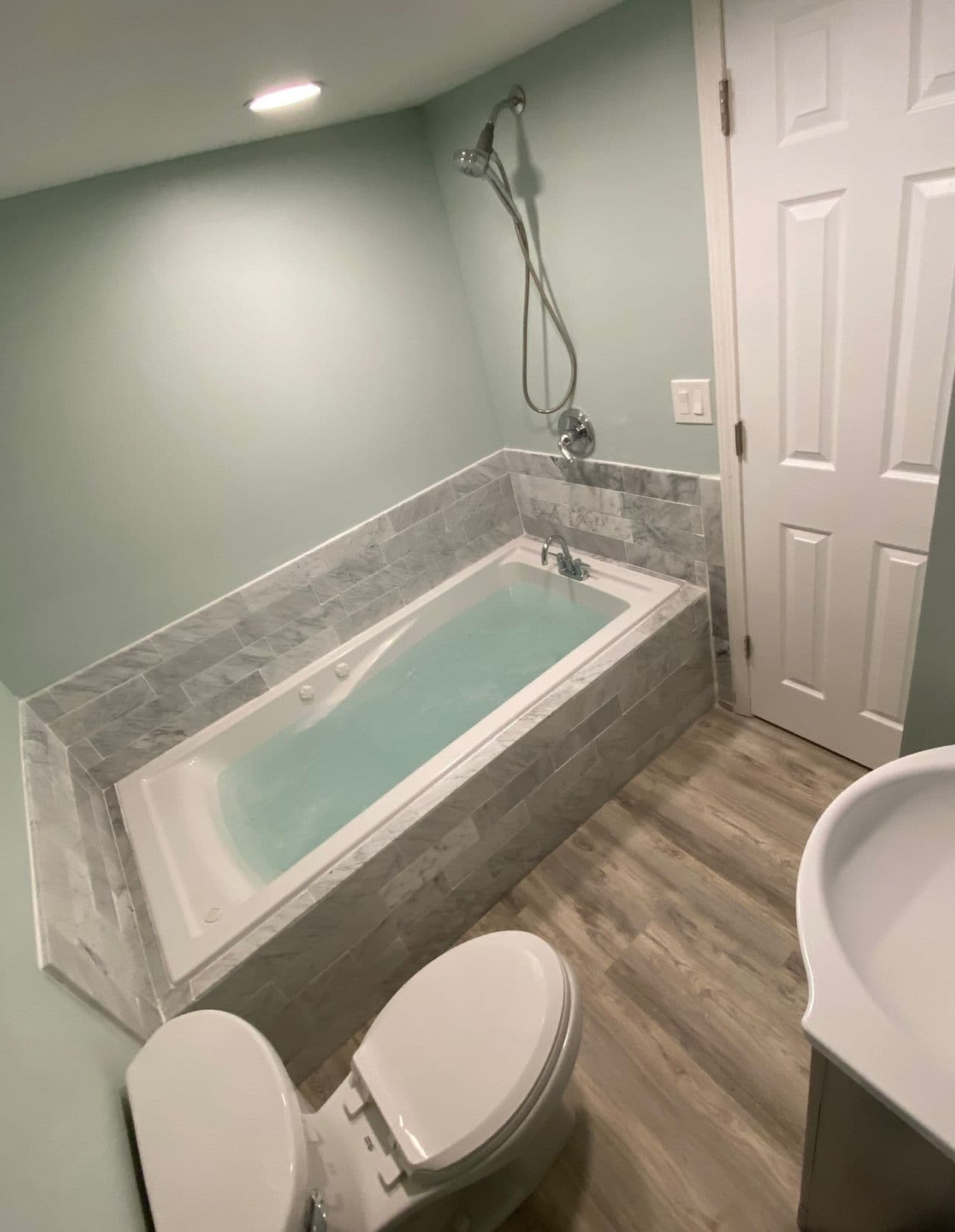
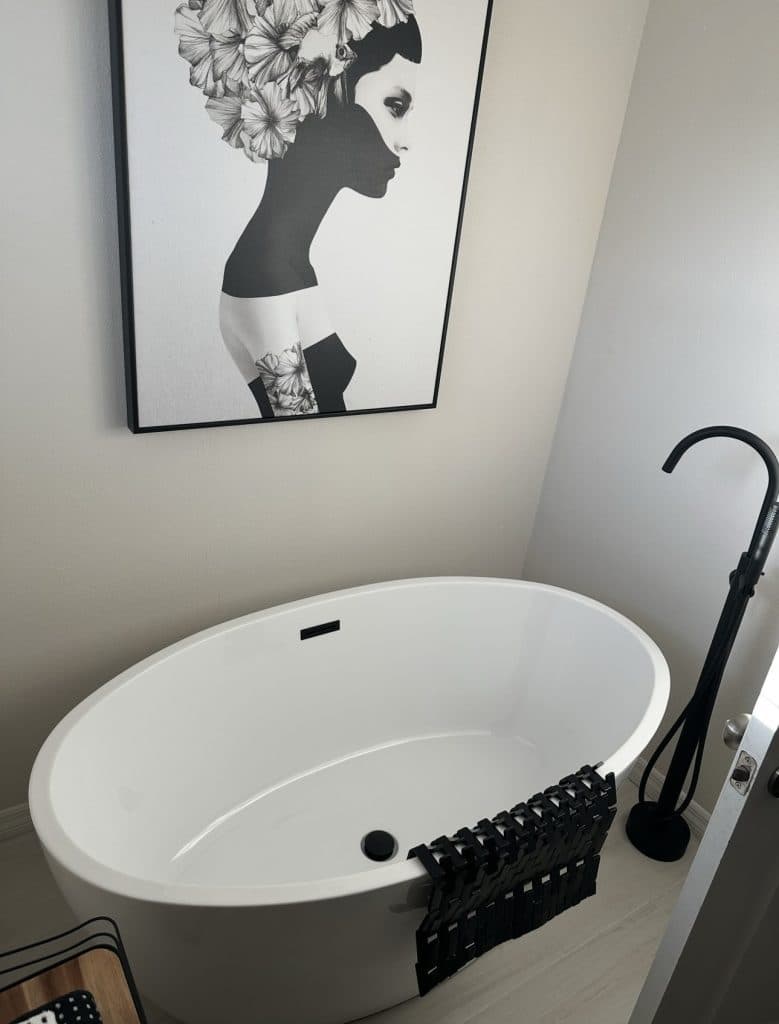
Tub surrounds are usually made from moisture-resistant panel systems such as acrylic, fiberglass-reinforced plastic, PVC, solid-surface materials, or tile installed over a waterproof backer and membrane. In practice, the “surround” is not just the visible finish; it is a wall system designed to protect the area around the tub from repeated water exposure, steam, and daily cleaning.
What a tub surround actually is
A tub surround is the wall treatment that covers the area immediately around a bathtub. Its job is to keep water from soaking into the wall assembly behind the tub while also giving the bathroom a finished look.
It is more than the surface you see
A complete tub surround often includes:
- the finish material you see and touch
- a backing layer or wall substrate
- joints and seams that must be sealed
- waterproofing details where the surround meets the tub and adjacent walls
That distinction matters because a surround can look fine on the surface while still having problems behind the walls if the underlying system is poorly built or maintained.
Common materials used for tub surrounds
There is no single standard answer to what tub surrounds are made of. The material depends on budget, style, maintenance preferences, and whether the goal is a simple update or a more custom bathroom remodel.
Acrylic panels
Acrylic is one of the most common choices for tub surrounds. It is a lightweight plastic sheet material that can be molded or formed into large wall panels.
Why homeowners choose it:
- smooth, low-maintenance surface
- fewer grout lines than tile
- available in one-piece or multi-panel formats
- easy to wipe down after use
Acrylic can be a good fit for homeowners who want a clean look without the upkeep of grout. Like any material, quality varies, so panel thickness, fit, and installation details matter.
Fiberglass-reinforced plastic and fiberglass composite panels
Fiberglass-reinforced plastic, often shortened to FRP, and fiberglass composite panels are another common category. These are economical wall panels used in many residential and light-construction applications.
Why they are used:
- budget-friendly compared with many custom options
- lightweight and relatively quick to install
- moisture-resistant when properly installed and sealed
These panels are often chosen for practical remodels where durability and cost control matter more than a custom appearance. The finish is usually simpler than higher-end systems, and careful sealing is important.
PVC or rigid vinyl panels
PVC tub surrounds use rigid vinyl-type panels designed for damp areas. They are a popular moisture-resistant option and can provide a clean, modern appearance.
What homeowners like about PVC:
- nonporous surface
- easy routine cleaning
- less maintenance than grout-based systems
- useful in humid climates
For Southwest Florida homes, PVC can be attractive because the material itself is moisture-tolerant. Still, the installation must be handled correctly so water does not get behind the panels.
Solid-surface surround systems
Solid-surface systems are engineered panels often used for a more seamless, higher-end look. These products are typically installed with attention to joint treatment and a supportive backing structure.
Why they stand out:
- more unified appearance than many panel systems
- can feel more substantial than thin plastic panels
- good option when appearance is a major priority
Solid-surface materials usually cost more than basic panel surrounds, and the final result depends heavily on fabrication and installation quality. Homeowners often choose this category when they want a refined look with less visible seam work.
Tile over waterproof backer board
Tile is another common tub surround choice, especially in custom renovations. In this setup, the visible finish is ceramic, porcelain, or stone tile, but the real performance depends on the waterproofing system beneath it.
This assembly often includes:
- a moisture-resistant backer board
- a waterproof membrane or similar water-management layer
- thinset mortar and tile
- grout and sealant at transitions and joints
Tile offers many design options, but it also brings more maintenance. Grout lines need regular care, and any movement or water intrusion at seams can lead to problems if the system was not built correctly.
If you are comparing materials for a broader remodel, a bathroom remodel port charlotte fl project often starts with deciding whether you want low-maintenance panels or a more customized tile assembly.
What makes a tub surround durable in a humid climate
Southwest Florida homes deal with heat, humidity, and frequent moisture exposure in bathrooms. That makes material choice important, but installation quality is just as important.
Moisture resistance matters most
For a tub area, the best material is the one that resists moisture and is installed as part of a complete system. A surround can only perform well if water is prevented from reaching vulnerable framing and drywall behind it.
Mold resistance is not the same as mold-proof
Some materials are easier to keep clean and dry, which can help reduce mold risk. But no surround should be treated as immune to mold or mildew if water gets trapped behind it or if ventilation is poor.
Easy cleaning can reduce upkeep
In humid climates, homeowners often prefer smooth surfaces and minimal grout because:
- they are easier to wipe dry
- soap scum is less likely to build up
- there are fewer places for moisture to linger
That is one reason acrylic, PVC, and other panel systems are popular in our area.
How the backing and waterproofing affect performance
A tub surround is a system, not just a finish layer. The backing and waterproofing often determine how well it holds up over time.
Backer board or support layer
Many surrounds are attached to a wall substrate or backer board that helps keep the assembly stable. The exact product used depends on the surround material and the remodel design.
Seams and transitions
The joints where panels meet, or where the surround meets the tub, are common weak points. These areas usually need sealant and careful detailing so water cannot sneak behind the finish.
Waterproof membranes and water management
In tiled surrounds and some panel systems, a waterproof membrane or comparable water-management detail is used to help protect the structure behind the wall surface. This is especially important in a tub area that sees regular splashing and steam.
If you have ever dealt with recurring moisture issues, the problem is often not the visible finish itself but the hidden layers behind it. That is why bath projects should be planned with the whole wall assembly in mind, not just the style of the surface.
Which tub surround material is right for your home
There is no universal best choice. The right material depends on how you use the bathroom, how much maintenance you want, and what look you want to achieve.
Choose acrylic if you want simple upkeep
Acrylic is often a good fit if you want:
- a smooth, easy-clean surface
- a straightforward look
- a practical option for a family bathroom
Choose PVC if moisture resistance is a top concern
PVC may be appealing if you want:
- a durable, low-maintenance surface
- fewer grout lines
- a clean appearance with less daily fuss
Choose fiberglass composite if budget is a major factor
Fiberglass-type panels can make sense when you want a functional surround without moving into higher-end materials. The tradeoff is that appearance and long-term feel can be simpler than premium systems.
Choose solid-surface if you want a more seamless finish
Solid-surface systems are often selected for a more refined look and a more integrated feel. They can be a strong option for homeowners who want something between basic panels and full tile.
Choose tile if design flexibility matters most
Tile gives you the most visual flexibility, but it also requires more maintenance. It can be a good choice when you want a custom look and are comfortable caring for grout and sealing details.
Signs your existing tub surround may need replacement
A tub surround does not last forever. Even a decent system can wear out if it has been exposed to repeated moisture or if the original installation was weak.
Watch for these warning signs
- loose, cracked, or separating panels
- recurring discoloration or stains around seams
- soft spots in the wall behind the finish
- mildew that keeps returning after cleaning
- gaps where the surround meets the tub
- damaged grout, caulk, or sealant
If you see several of these problems, it may be time to evaluate the entire wall assembly, not just touch up the surface.
When repair may not be enough
Small sealant failures can sometimes be repaired. But if water has already reached the wall cavity, a simple cosmetic fix may not solve the underlying issue. In those cases, a larger remodel may be the safer long-term answer.
What to expect during a tub surround replacement
Every project is different, but the general process usually includes removing the old surround, checking the wall condition, rebuilding any damaged areas, and installing the new system with proper sealing.
Typical project steps
- Remove the existing finish material.
- Inspect the wall framing and substrate.
- Repair any moisture damage before installing new materials.
- Install the chosen surround system and backing as needed.
- Seal seams, corners, and tub transitions.
- Verify that the finished assembly is clean and watertight.
A well-planned bathroom project should account for what is behind the walls, not just the surface finish. If you are planning broader updates, a general contractor north port fl can help coordinate the remodel scope with the right materials and sequencing.
Southwest Florida considerations for tub surrounds
In Southwest Florida, bathrooms face a combination of humidity, salt-air influence in some areas, and year-round use. That makes water management a priority.
What homeowners tend to value most
- moisture resistance
- simple cleaning
- resistance to mold and mildew buildup
- durable joints and seams
- materials that suit the home’s style without creating extra upkeep
Why installation quality matters here
A material that performs well in a dry climate can still fail if it is not detailed correctly in a humid one. That is why the surrounding wall system, ventilation, and sealing details should all be considered together.
For homeowners in North Port and nearby communities, this often means balancing style with practical maintenance. If recurring moisture or grout issues are already part of the picture, this related guide may help: why shower grout keeps cracking Florida.
FAQ
What are tub surrounds made of?
Tub surrounds are commonly made of acrylic, fiberglass-reinforced plastic, PVC or rigid vinyl, solid-surface panels, or tile installed over waterproof backer materials.
Is acrylic better than fiberglass for a tub surround?
Acrylic usually offers a smoother look and easier cleaning, while fiberglass-type panels may be more budget-friendly. The better choice depends on your priorities and the quality of the installation.
Are tile tub surrounds hard to maintain?
Tile surrounds can look great, but they usually require more upkeep than panel systems because grout and sealant need attention over time.
Do all tub surrounds need waterproofing?
Yes, the wall assembly around a tub should be designed to manage moisture. The exact method varies by material, but water protection is always important.
Which tub surround material is best for humid Florida bathrooms?
There is no single best material for every home, but many homeowners in humid climates prefer acrylic, PVC, fiberglass-composite panels, or properly built tile assemblies because they are easier to keep dry and clean.
Can I replace just the surround without remodeling the whole bathroom?
Sometimes, yes. If the wall structure behind the surround is sound, a replacement may be limited to the tub area. If there is hidden moisture damage, more repair may be needed.
Final thoughts
So, what are tub surrounds made of? Most are made from acrylic, fiberglass-reinforced plastic, PVC, solid-surface panels, or tile systems built over waterproof backer materials. The best choice is not only about the surface you see. It is also about how the whole assembly handles moisture, seams, and daily use.
For Southwest Florida homeowners, that usually means prioritizing easy cleaning, strong moisture control, and an installation approach that protects the wall structure behind the finish.