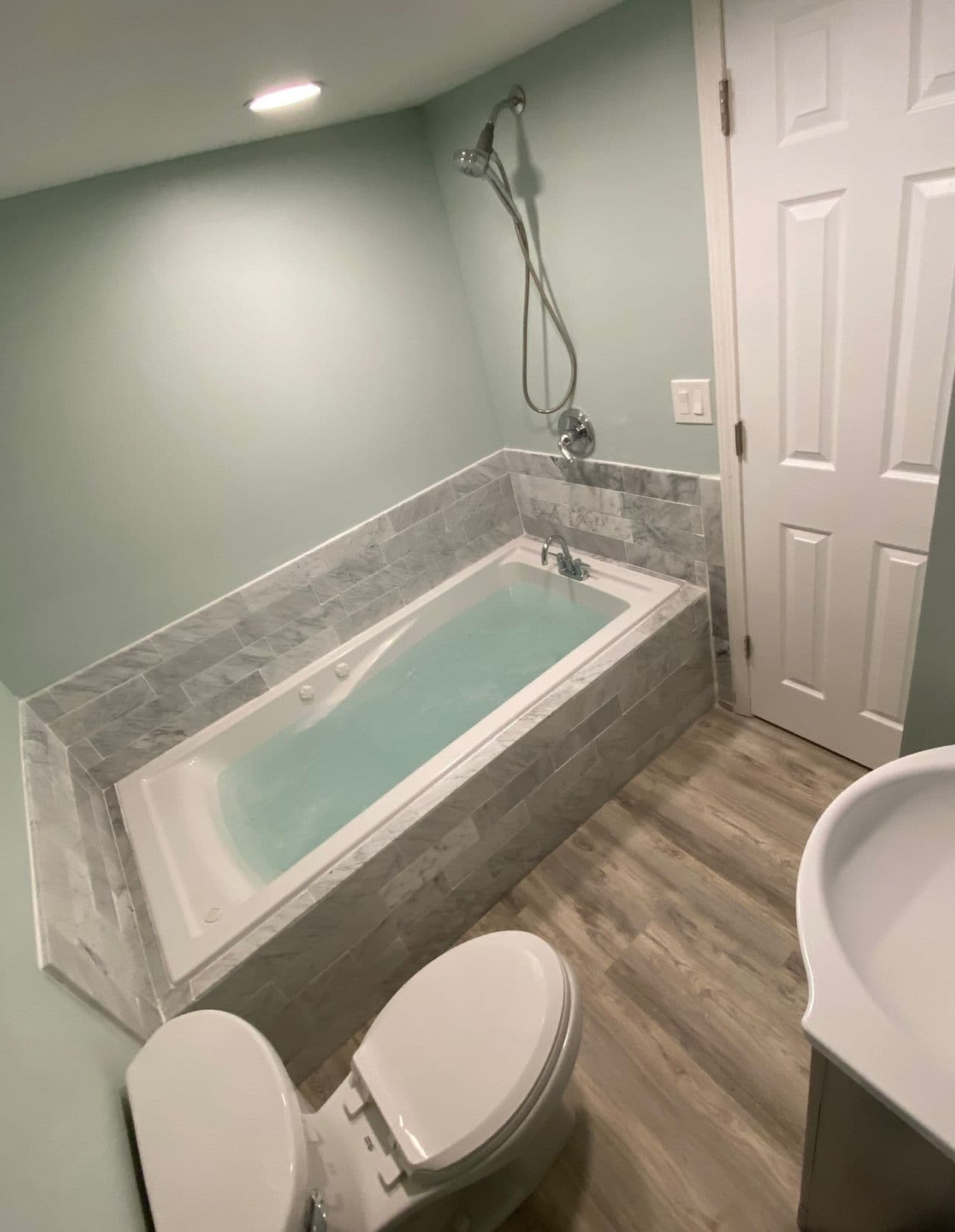
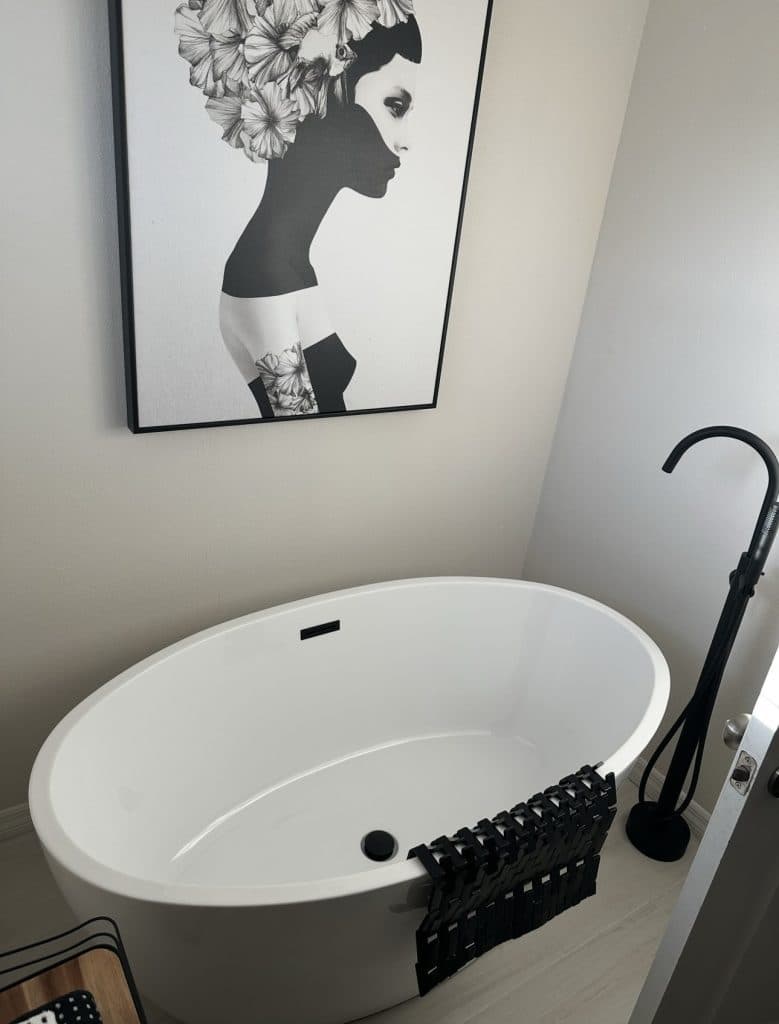
A fiberglass tub is a bathtub made from fiberglass-reinforced plastic, usually finished with a smooth gel coat surface. In plain terms, it’s a lightweight, budget-friendly tub option that’s common in bathroom remodels, especially when homeowners want a simpler installation and a lower upfront material cost. It can be a smart fit for some projects in Southwest Florida, but like any tub material, it has tradeoffs you should understand before choosing one.
What a fiberglass tub is made of
Fiberglass tubs are typically formed from layers of fiberglass and resin, then coated with a gel coat that creates the visible surface. That surface is what most people touch and clean, so it plays a big role in how the tub looks and holds up over time.
The basic construction
A fiberglass tub usually includes:
- A fiberglass-reinforced body for shape and structure
- Resin that binds the material together
- A gel coat finish on top
The result is a tub that is much lighter than cast iron and often easier to move through a home, set in place, and install in a standard bathroom layout.
What the gel coat does
The gel coat gives fiberglass tubs their smooth, finished look. It also helps protect the tub from daily wear. Over time, though, that finish can show scratches, dull spots, or hairline cracks if the tub gets heavy use or is cleaned with harsh products.
Why homeowners choose fiberglass tubs
Fiberglass tubs are popular because they solve a practical problem: they give you a usable bathtub without the weight, cost, or installation complexity of some other materials.
Lightweight and easier to install
Because fiberglass tubs are relatively light, they’re often easier for installers to carry, fit, and secure. That can matter in older homes, tight hallways, or remodels where access is limited.
Lower upfront cost
Fiberglass is generally considered one of the more affordable tub materials. That doesn’t mean it’s the cheapest option in every project, but it is commonly chosen when homeowners are trying to keep material costs more manageable.
Common in tub/shower combinations
Fiberglass tubs are often used in tub/shower units. That makes them especially common in hall baths, guest baths, and family bathrooms where the tub needs to serve multiple purposes.
If you’re planning a full bathroom update and comparing materials, it can help to think about the entire room, not just the tub. For broader remodeling planning, this guide to remodeling contractors Sarasota FL may be useful if you’re evaluating a local project in the area.
The tradeoffs to understand
A fiberglass tub can be practical, but it is not the right choice for every homeowner or every bathroom.
It may scratch more easily
Compared with harder tub materials, fiberglass can be more vulnerable to surface damage. Small abrasions may happen from dropped items, rough cleaning tools, or everyday wear.
It may crack under stress
Fiberglass tubs can develop cracks if they’re flexed too much, installed poorly, or exposed to impact. Some issues are cosmetic, but deeper cracks can lead to bigger repair concerns.
The finish can wear faster
The gel coat helps protect the tub, but it can show age sooner than some premium materials. In busy households, that means the tub may need more careful upkeep to stay looking good.
Repair quality varies
Minor damage can sometimes be repaired, but results depend on the extent of the problem and the condition of the surface. If the tub has widespread wear, replacement may be the more practical long-term solution.
How fiberglass tubs compare with other common tub materials
When homeowners ask, “What is a fiberglass tub?” they usually also want to know whether it’s better or worse than the alternatives. The answer depends on your priorities.
Fiberglass vs. acrylic
Acrylic tubs are also lightweight and often used in remodels, but they may feel a little sturdier or hold up better depending on the manufacturer and construction. Fiberglass is usually the more budget-conscious option, while acrylic may offer a more refined finish in some products.
Fiberglass vs. cast iron
Cast iron tubs are heavy, durable, and often associated with a classic look. They can last a long time, but they are harder to move and install. Fiberglass is much easier to handle, which can be a real advantage in a renovation.
Fiberglass vs. solid-surface
Solid-surface tubs tend to be heavier and often cost more. They may offer a more substantial feel, but fiberglass is usually simpler to install and more accessible from a budget standpoint.
Fiberglass vs. porcelain-enameled steel
Porcelain-enameled steel tubs can be durable, but they may chip and feel colder to the touch. Fiberglass tends to be lighter and easier to work with, though it may not feel as robust.
What to expect during installation
A fiberglass tub is often chosen because it can simplify the remodel process, but it still needs correct installation.
The subfloor and framing matter
Even a lighter tub needs a solid base. If the floor is weak, uneven, or damaged, it can affect how the tub sits and how long it lasts.
The alcove or surround must fit well
Most fiberglass tubs are used in an alcove or enclosed shower-tub setup. Accurate measurements matter so the unit fits properly and the wall finish looks clean.
Sealing is important in humid climates
In Southwest Florida, moisture management is always part of the conversation. Any tub, including fiberglass, should be installed and sealed carefully so water does not get behind the surrounding wall system.
Ventilation still matters
Even though fiberglass itself does not rust, the area around the tub can still suffer from excess moisture if ventilation is poor. Mold, mildew, and failed caulk lines can create maintenance problems around the enclosure.
If you’re also worried about moisture problems around a tub or shower, this article on why shower grout keeps cracking in Florida may help explain what to watch for.
Cleaning and maintenance tips for fiberglass tubs
Fiberglass tubs can look good for years if they’re cleaned gently and consistently. The key is protecting the gel coat.
Use nonabrasive cleaners
Avoid harsh powders, abrasive pads, and solvent-based cleaners unless the manufacturer specifically says they’re safe. These products can wear down the finish.
Wipe the surface regularly
A quick rinse and wipe after use can help reduce soap scum and mineral buildup. That small habit can go a long way in keeping the surface looking fresh.
Address damage early
Small chips or scratches are easier to manage than larger surface failures. If you notice wear beginning to spread, it’s worth addressing it sooner rather than later.
Watch caulk and seams
The tub itself may be fiberglass, but the surrounding caulk and wall joints are just as important. In a humid climate, failing seams can lead to water intrusion and ongoing cleanup.
When a fiberglass tub makes sense in a Southwest Florida home
Fiberglass tubs are often a practical choice when the project calls for balance rather than luxury.
Good fit for budget-conscious remodels
If your priority is to replace an old tub efficiently without moving into a premium price range, fiberglass may be worth considering.
Good fit for rental or guest bathrooms
Because the material is lightweight and widely available, it can work well in bathrooms that need a functional, clean look without a high-end finish.
Good fit when installation access is limited
In homes where it’s hard to bring in heavier materials, fiberglass can simplify the logistics of the job.
Good fit when the tub is used regularly but not roughly
A fiberglass tub can serve well in everyday use, especially if the household is careful with cleaning and avoids heavy impact.
When you may want a different tub material
Fiberglass isn’t always the best choice, especially if you want a more premium feel or expect heavy wear.
Consider another material if durability is the top priority
If you want a tub with a heavier, more substantial feel and potentially longer surface life, another material may be a better match.
Consider another material if the bathroom gets hard use
Busy family bathrooms can put more stress on a tub surface. If that’s your situation, it may be worth comparing options carefully.
Consider another material if you want a higher-end finish
Fiberglass can look clean and attractive, but some homeowners prefer the feel and visual depth of other tub materials.
How to decide whether a fiberglass tub is right for you
Choosing a tub is easier when you focus on the real conditions in your home, not just the catalog description.
Ask these questions
- How often will the tub be used?
- Is budget or long-term durability more important?
- Will the tub be in a tub/shower combination?
- Is the bathroom easy or difficult to access for installation?
- Are you comfortable with more careful maintenance?
Think about the whole bathroom
A tub choice should fit the rest of the remodel. Wall material, ventilation, plumbing condition, and layout all affect how well the finished bathroom works.
Don’t forget the local climate
In Southwest Florida, moisture management matters. That means good sealing, proper ventilation, and materials that work well in humid conditions should all be part of the discussion.
Common myths about fiberglass tubs
There’s a lot of confusion about fiberglass tubs, so it helps to separate fact from assumption.
“Fiberglass tubs are always flimsy”
Not always. Quality varies by manufacturer, design, and installation. A well-made fiberglass tub can be a practical option for many homes.
“They’re only for cheap remodels”
Not true. While fiberglass is often more budget-friendly, it can still be a sensible choice when the project priorities are speed, weight, and function.
“They’re hard to maintain”
They are not necessarily hard to maintain, but they do need gentler cleaning than some harder surfaces. Consistent care helps preserve the finish.
“Any crack means the tub is unusable”
Not always. Some issues can be repaired, but the right fix depends on how extensive the damage is and whether the structure beneath the surface is affected.
FAQ
What is the main advantage of a fiberglass tub?
Its main advantages are low weight, easier installation, and a lower upfront cost than many other tub materials.
Are fiberglass tubs durable enough for daily use?
Yes, many homeowners use them daily. The main concern is that the surface may be more prone to scratches or cracks than harder materials.
Can a fiberglass tub be repaired if it gets damaged?
Sometimes. Small scratches or chips may be repairable, but larger cracks or widespread wear may be harder to address well.
How do I clean a fiberglass tub safely?
Use mild, nonabrasive cleaners and avoid harsh scrub pads or solvents that can damage the gel coat.
Is fiberglass a good tub choice in Florida?
It can be, especially when you want a lighter, practical tub for a remodel. Just make sure the installation, sealing, and ventilation are done carefully.
Should I choose fiberglass or acrylic?
It depends on your priorities. Fiberglass is often more budget-friendly, while acrylic may offer a more refined feel in some products.
The bottom line
A fiberglass tub is a lightweight bathtub made from fiberglass-reinforced material with a protective gel coat finish. It’s commonly chosen for its lower cost, simpler installation, and practical everyday use. For many Southwest Florida homeowners, it can be a sensible option in a bathroom remodel, especially when budget and ease of installation matter. The tradeoff is that fiberglass may need a little more care over time because the surface can be more vulnerable to scratches, cracks, and wear than some other tub materials.
If you’re weighing tub materials as part of a larger remodel, it helps to think about the whole bathroom, not just the fixture itself. The right choice depends on how the room is used, how much maintenance you want to take on, and how important long-term durability is in your home.