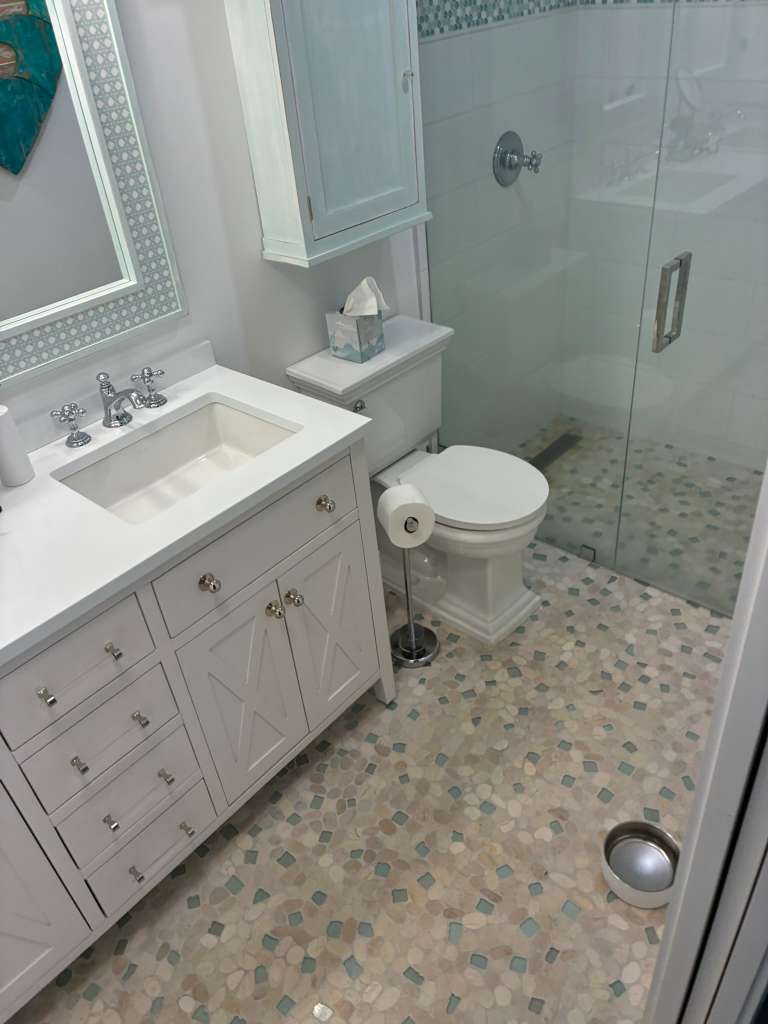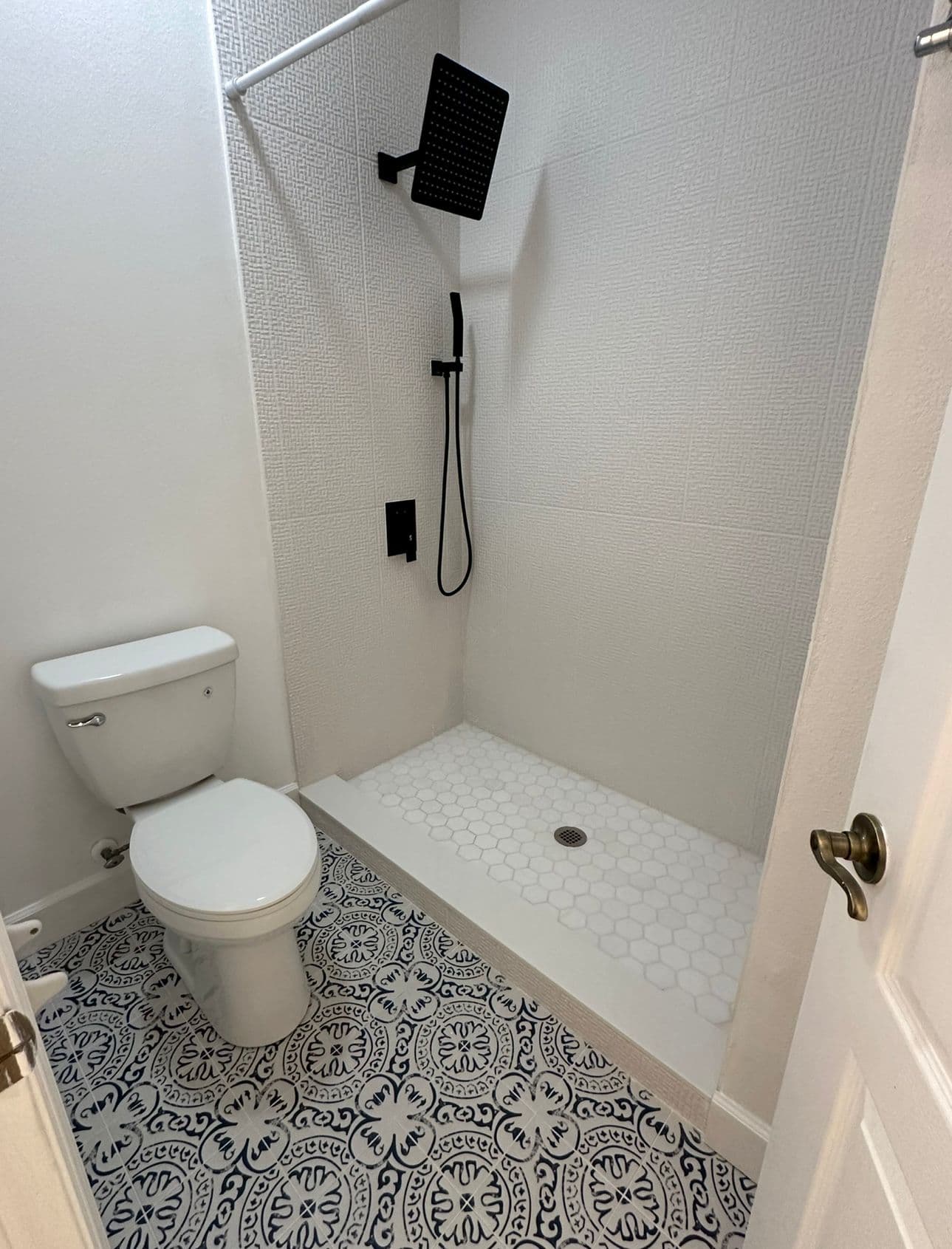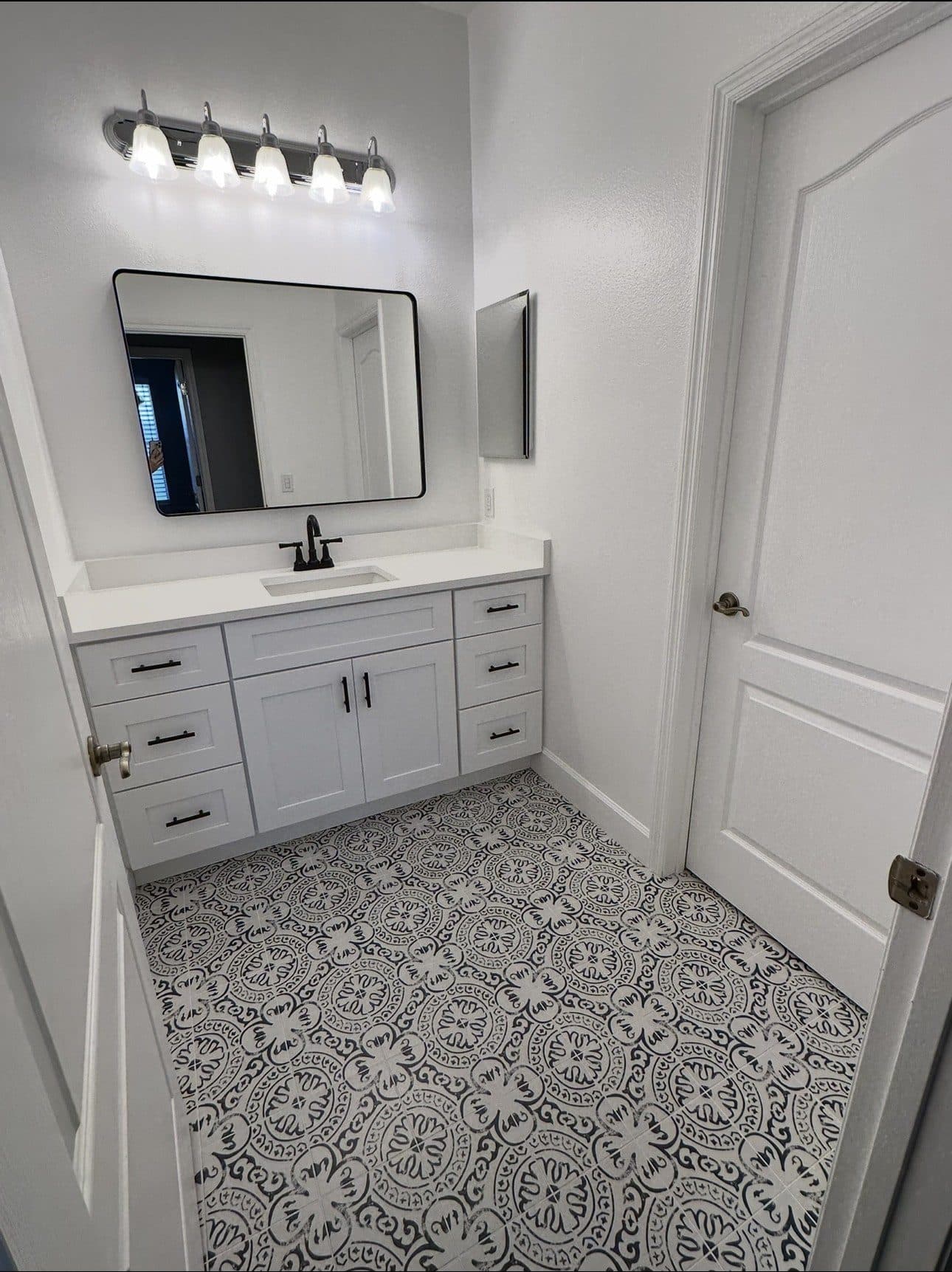
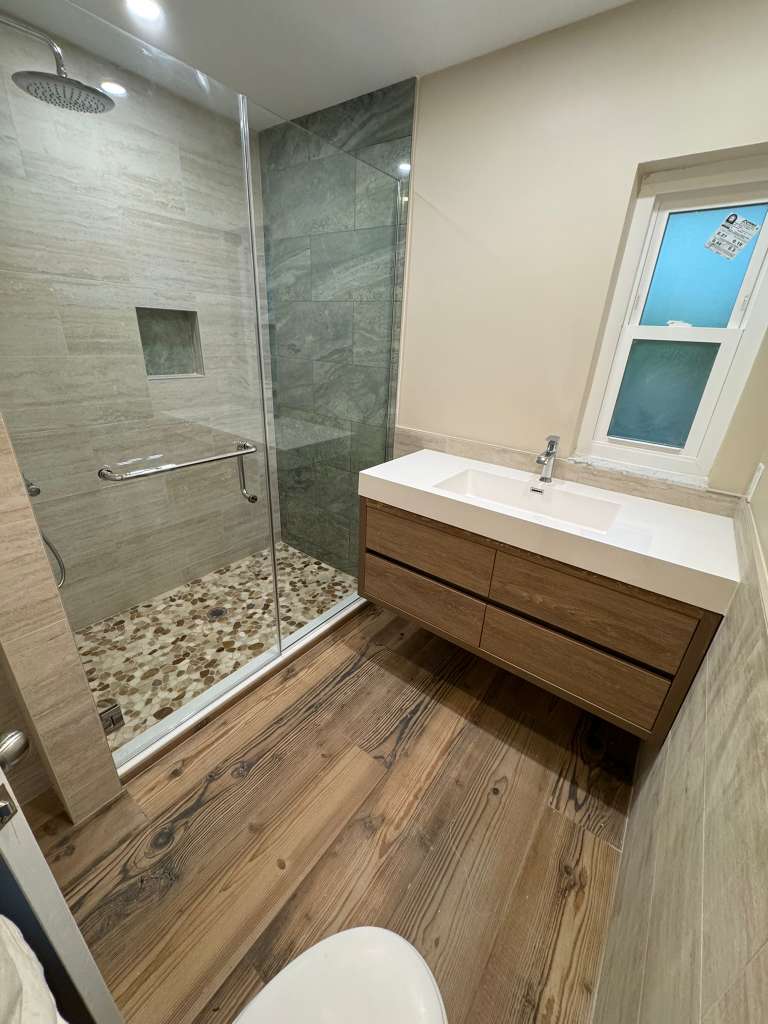
If you’re asking what can you use for shower walls, the short answer is tile, acrylic panels, fiberglass panels, solid-surface or composite panels, and other waterproof wall systems designed for wet areas. In Southwest Florida, the best choice usually depends on how much maintenance you want, how important grout-free cleaning is, and whether the wall system is installed with proper waterproofing behind it. The material you see on the surface matters, but the hidden waterproof assembly matters just as much.
The main shower wall options homeowners usually compare
When people start planning a shower upgrade, they often focus on appearance first. That makes sense, but shower walls need to handle daily water exposure, steam, cleaners, and long-term movement in the structure. A good wall choice should fit the room, the budget range, and the level of upkeep you’re willing to accept.
Ceramic or porcelain tile
Tile is one of the most common shower wall finishes. It offers the most design flexibility, from simple large-format layouts to more decorative patterns. Porcelain is generally denser than ceramic and is often selected for durability in wet areas.
A tiled shower can look great, but tile and grout are not waterproof by themselves. They must be installed over a proper waterproofing system. That means the assembly behind the tile is doing the moisture control work, not the tile face alone.
Acrylic shower wall panels
Acrylic panels are a popular choice for homeowners who want a cleaner look with fewer grout lines. They are often installed as larger sheets or molded panels and can be easier to wipe down than tile.
These panels are often chosen for faster installation and lower maintenance. Still, the quality of the panel, the seams, and the installation method all matter. A panel system should be installed according to the manufacturer’s instructions so water does not get behind it.
Fiberglass shower wall panels
Fiberglass is another common option, especially when a homeowner wants a practical, straightforward solution. These walls are usually lighter than tile assemblies and can be a budget-conscious option in many projects.
The tradeoff is that fiberglass may not offer the same premium feel or design variety as tile or solid-surface materials. Like any shower wall product, it performs best when it is properly fitted and sealed.
Solid-surface and composite wall panels
Solid-surface, cast-polymer, and composite wall panels are often selected for a more seamless appearance. They can be a strong option for homeowners who want fewer joints and less day-to-day cleaning.
These materials may cost more than basic panel systems, but they can be appealing in busy bathrooms where ease of cleaning is a priority. The exact look, thickness, and maintenance needs vary by product.
Stone-look engineered wall panels
Some homeowners want the look of natural stone without the same level of upkeep. Engineered wall panels can provide that style while reducing grout lines and simplifying care.
These products can be a practical middle ground if you like the appearance of stone but want a surface that is easier to maintain in a humid bathroom.
What matters most in Southwest Florida bathrooms
Southwest Florida bathrooms face a tough environment. High humidity, frequent shower use, and warm conditions can expose weak waterproofing quickly. That makes the wall material only part of the decision.
Moisture management is the real priority
Even a beautiful shower wall can fail if the system behind it is not right. Water vapor, spray, and splash will find weak spots around corners, niches, benches, and plumbing penetrations. In this climate, those details matter more than many homeowners expect.
For that reason, the most durable choices are usually:
- a properly waterproofed tile shower system
- one-piece or direct-to-stud waterproof wall panels installed per manufacturer instructions
Maintenance should match your routine
Some homeowners are happy to squeegee tile and clean grout periodically. Others want a surface they can wipe down in minutes. If you prefer low maintenance, panel systems may make more sense. If you care most about custom design, tile may be worth the extra upkeep.
Ventilation still plays a role
Good shower walls help, but they do not replace ventilation. Bathrooms in humid coastal climates benefit from proper air circulation, especially after showers. That helps reduce lingering moisture and may support the long-term condition of the wall assembly.
Tile showers: what you need behind the finish
If you like tile, it helps to understand that the visible surface is only one layer of the system. The backer and waterproofing are what protect the wall structure.
Traditional tile shower assembly
A common approach uses cement board or fiber-cement backer board with a vapor retarder or waterproofing membrane. This method is widely recognized and can work well when all the layers are installed correctly.
Bonded waterproof system
Another common approach uses a waterproof membrane or waterproof board system that is designed to receive tile directly. These systems are made to reduce the chance of moisture reaching vulnerable framing or wall materials.
Why drywall is not the right choice behind tile in a shower
Standard paper-faced drywall should not be used as a shower surround backer where tile or marble with grout joints is the finish. The issue is not just strength; it is moisture exposure. In a shower, the wall substrate must be able to support the waterproofing strategy.
If you are planning a tile shower and want help thinking through the wall layers, a bathroom-focused remodeler can explain the options in a way that fits the room. For more local remodeling context, see bathroom remodel port charlotte fl.
Panel systems: when they make sense
Panel-style shower walls are often attractive because they reduce grout lines and can simplify day-to-day cleaning. They are especially appealing when a homeowner wants a practical upgrade without the maintenance of tile.
Best reasons to choose panels
Panel systems can be a good fit if you want:
- faster installation than a traditional tile shower
- fewer seams and no grout joints to scrub
- a smooth, modern look
- a wall surface that is designed for wet use
Common tradeoffs to consider
Panels may limit customization compared with tile. You may have fewer pattern, texture, and color choices, depending on the product line. Also, not every panel product is equal in thickness, impact resistance, or finish quality.
That means it is worth comparing how each product is installed, how the seams are treated, and how the edges are finished around fixtures and glass enclosures.
How to compare shower wall options without getting lost in product names
The best shower wall is not always the fanciest one. It is the one that fits your bathroom and stays sound over time.
Ask these practical questions
- How will this wall system keep water out of the framing?
- How much routine cleaning will I need to do?
- Do I want grout lines, or do I want a smooth panel surface?
- Will the wall product fit the size and shape of my shower?
- What does the manufacturer require for seams, corners, and penetrations?
Think beyond the surface finish
Homeowners often compare tile color, panel style, and price first. Those things matter, but the hidden parts matter too:
- waterproofing method
- substrate type
- seam treatment
- corner detailing
- plumbing cutouts
- compatibility with the shower pan or base
If one part of that system is weak, the whole shower can be affected.
What tends to work well in humid, coastal conditions
In Southwest Florida, a shower wall should be chosen with moisture resistance in mind from the start. That does not mean every bathroom needs the same product. It does mean the wall system should be built for wet conditions, not just for appearance.
Usually strong choices
- waterproofed tile systems for homeowners who want a custom look
- direct-to-stud waterproof panels for homeowners who want low maintenance
- solid-surface or composite panels when a seamless appearance is important
Choices that need extra caution
Some lower-cost wall products may look fine initially but can be less forgiving if seams, caulking, or support are not handled well. In a humid climate, those details can matter a lot over time.
What a remodeler should help you evaluate
A good bathroom remodeling conversation should go beyond style samples. It should cover how the shower wall system fits the rest of the bath.
Useful planning points
- the shape and size of the shower
- whether you want niches, benches, or custom trim
- how the wall material will connect to the shower base
- the best way to handle corners and fixture openings
- whether the bathroom needs ventilation or other moisture-related improvements
If you are in the planning stage, you may also want to review why shower grout keeps cracking Florida to understand why certain wall choices and installation details matter so much in a shower.
Bottom line: what can you use for shower walls?
What can you use for shower walls? In practice, the most common and useful options are ceramic or porcelain tile over a waterproof system, acrylic panels, fiberglass panels, solid-surface or composite panels, and other waterproof wall panels made for showers. For Southwest Florida homes, the best long-term choice is usually the one that pairs the right surface with the right moisture protection behind it.
If you want the cleanest maintenance routine, panel systems may be appealing. If you want more design flexibility, tile can be an excellent option as long as it is installed over a proper waterproofing assembly. The key is not choosing a finish alone; it is choosing a complete shower wall system that can handle daily water exposure.
FAQ
Are shower walls waterproof on their own?
No. Many shower wall finishes are water-resistant, but the full shower assembly needs waterproofing. Tile and grout, for example, are not waterproof by themselves.
Is tile or shower paneling better?
It depends on your priorities. Tile offers more design flexibility, while panel systems usually mean fewer grout lines and easier cleaning.
Can you use drywall in a shower?
Standard paper-faced drywall should not be used as a shower surround backer where tile or marble with grout joints is the finish.
Are acrylic shower walls a good idea?
They can be a practical option if you want a smoother, lower-maintenance surface. Quality and installation matter a lot.
What shower wall material is easiest to clean?
Generally, grout-free panel systems and solid-surface walls are easier to wipe down than traditional tile.
How do I know which shower wall is right for my bathroom?
Start with how much maintenance you want, how important custom style is, and whether the wall system is built with the right waterproofing for a humid Florida bathroom.