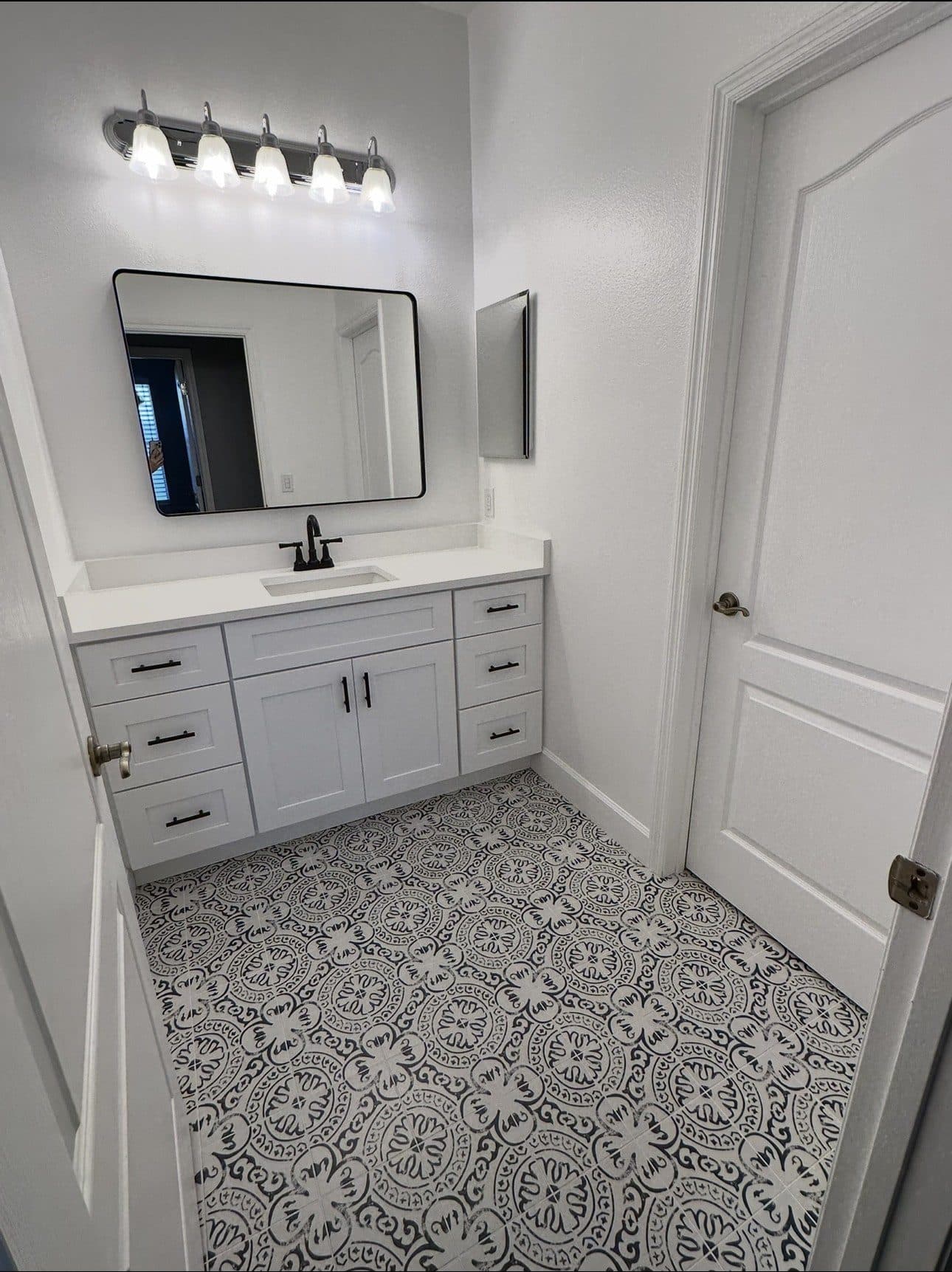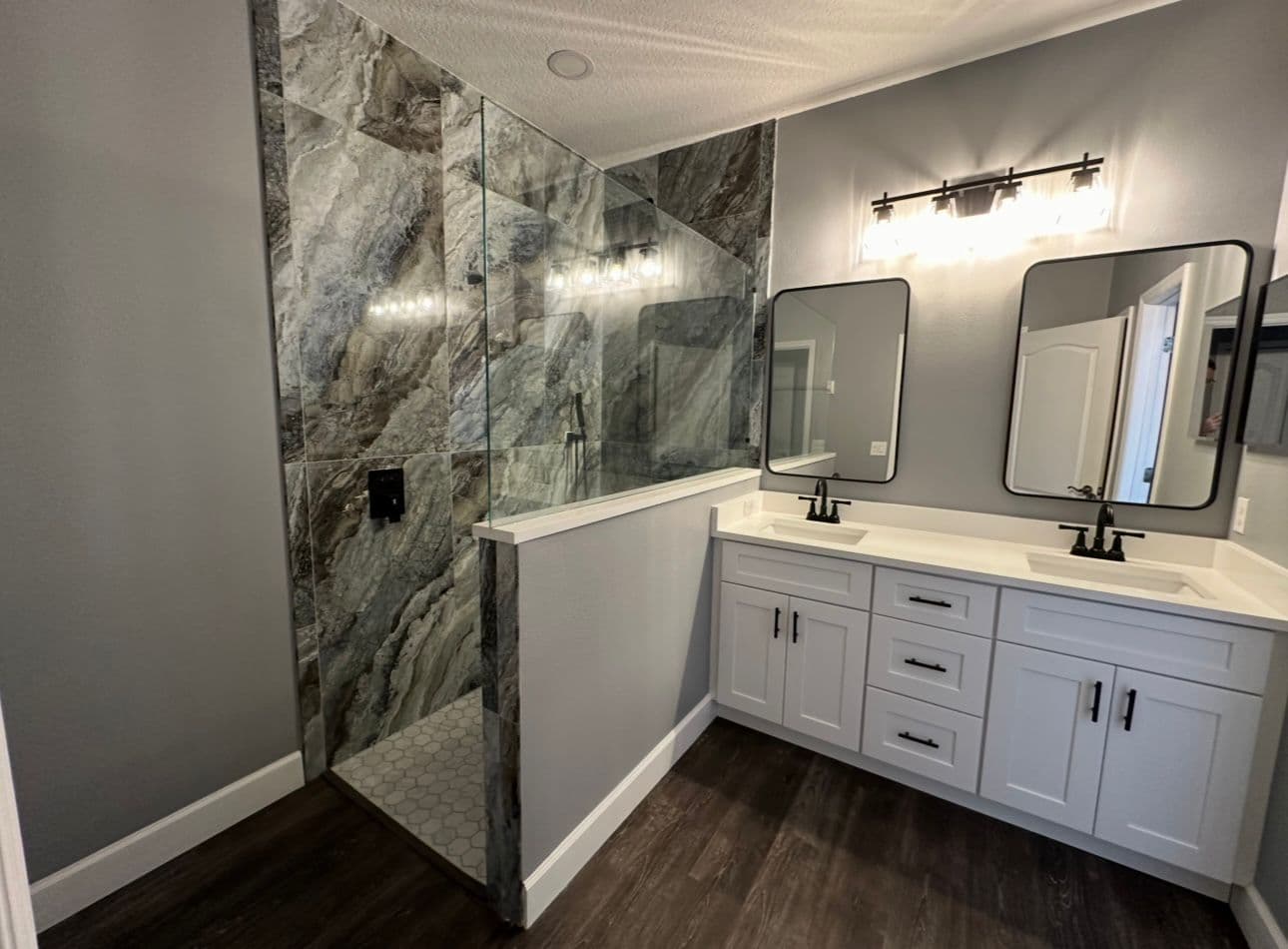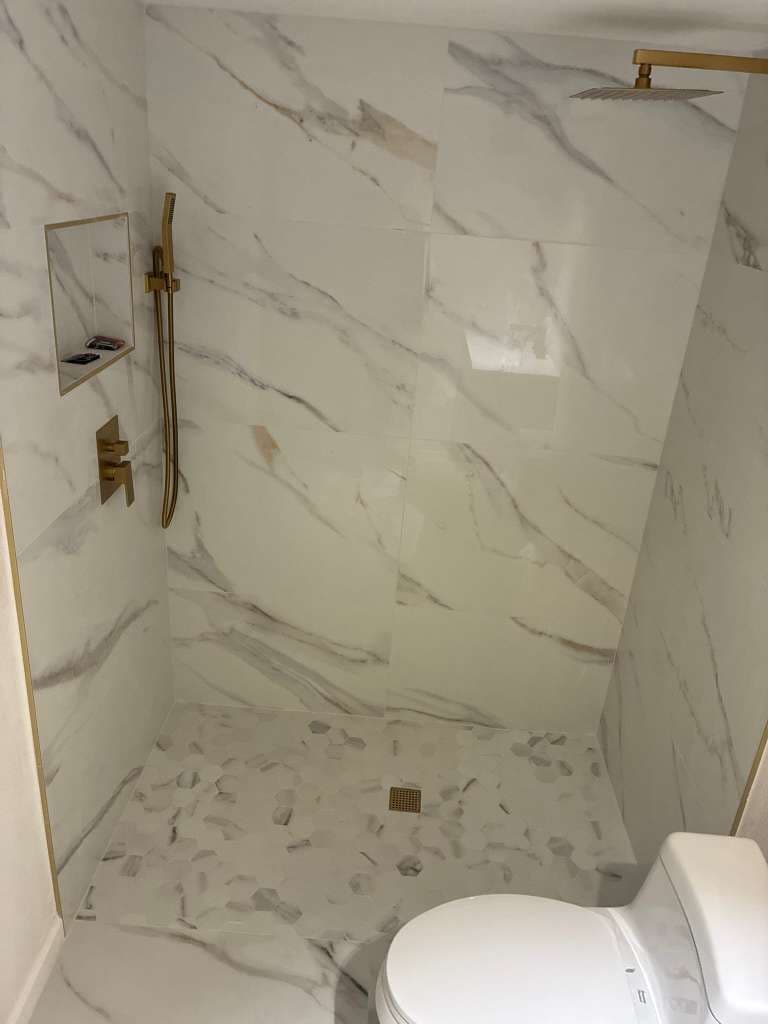
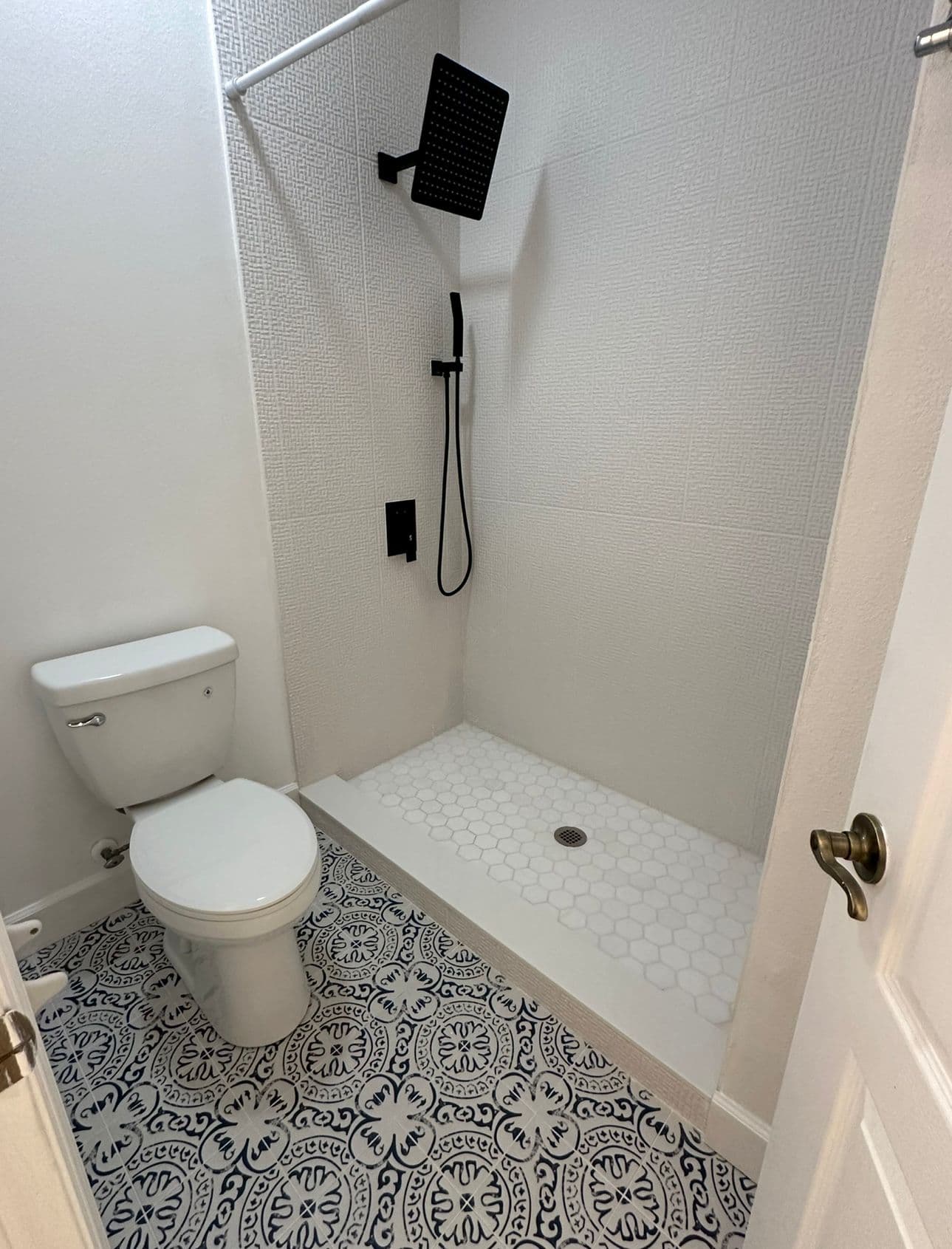
The best material for shower walls is usually not a single surface by itself, but a properly waterproofed shower system. For most Southwest Florida homes, the strongest all-around choice is tile installed over a waterproof backer board or waterproof panel system with a bonded membrane behind or on top of it. That combination gives you the best balance of moisture protection, durability, repairability, and design flexibility in a climate where heat and humidity never really let up.
If you want the short answer: the best material for shower walls is a waterproof tile system built on a waterproof substrate, not tile alone. Tile looks great and performs well, but only when the wall assembly underneath is designed to keep water out of the wall cavity. That matters in Florida, where showers get heavy daily use and trapped moisture can become a mold problem if the assembly is weak.
Why shower wall material matters so much in Southwest Florida
Shower walls are exposed to constant water, steam, cleaning products, and temperature changes. In Southwest Florida, those conditions are even harder on a bathroom because humidity stays high for much of the year. A wall surface can look fine on day one and still fail later if water gets behind it.
What homeowners often miss
A shower wall is really a layered system, not just a finish material. The visible surface is only one part of the equation. Underneath, you need:
- A stable wall substrate
- A waterproofing layer
- Proper detailing at seams and penetrations
- A finish surface that can handle daily wet use
Tile and grout are not waterproof on their own. If water reaches the wall cavity, it can cause hidden damage, odors, staining, and mold growth. That is why the best answer to what is the best material for shower walls is really about the full system, not just the surface finish.
The best overall option: waterproof tile shower walls
For most homeowners, waterproof tile walls are the best long-term choice. They offer a premium look, strong resale appeal, and the flexibility to fit almost any bathroom style.
What this system includes
A well-built tile shower wall usually uses:
- Waterproof building panels or cementitious backer board
- A bonded waterproofing membrane
- Tile set with the right mortar
- Grout and sealant at the correct joints
The exact product mix can vary, but the important point is that the assembly is designed to keep water out of the wall structure.
Why tile is often the best all-around pick
- Durability: Tile can last a long time when installed correctly.
- Design flexibility: You can choose color, texture, pattern, and size.
- Repairability: Individual tiles can sometimes be replaced if damaged.
- Resale appeal: Tile is still widely viewed as a desirable shower finish.
The main caution
Tile only performs as well as the waterproofing behind it. If the substrate or membrane is skipped, rushed, or poorly detailed, even expensive tile can fail. That is why homeowners should think in terms of a shower assembly, not just a tile selection. For more on moisture problems in Florida bathrooms, see why bathroom mold keeps coming back in North Port.
Best low-maintenance alternative: solid-surface shower wall panels
If your priority is easy cleaning, solid-surface or cultured-surface wall panels are a strong option. These are large panels with fewer seams than tile, which means fewer grout lines to scrub and fewer places for soap scum to collect.
Why many homeowners like panels
- Low maintenance: Fewer joints mean less grout cleaning.
- Smooth appearance: Gives the shower a clean, modern feel.
- Good moisture performance: When installed as a finished wall system, they can work well in humid bathrooms.
- Fast cleaning: Great for busy households or rental-style practicality.
What to keep in mind
Panel systems vary widely by manufacturer, thickness, finish, and installation method. Some look more upscale than others. Some can be repaired more easily than others. The best product for one bathroom may not be the best for another, especially if the shower has custom niches, benches, or unusual dimensions.
If you want a shower that is easy to live with, this is often the next best option after waterproof tile.
Budget-friendly options: acrylic and fiberglass surrounds
Acrylic and fiberglass shower surrounds are often chosen for lower cost, quicker installation, or simple remodels. They can be practical, but they are usually less customizable and less premium in appearance than tile or solid-surface panels.
When these materials make sense
- You want a simpler update
- You prefer easy maintenance over a custom look
- You need a more budget-conscious option
- You are remodeling a secondary bath or guest bath
Limitations to consider
- Fewer style choices
- Can feel less substantial than tile or stone-look panels
- May show wear differently over time
- Often less effective visually in a higher-end primary bath
These surrounds can be a reasonable choice, but they are usually not the best answer if you want the most durable, most attractive, or most custom shower wall solution.
What to avoid when choosing shower wall materials
The biggest mistake is choosing a wall finish without thinking about waterproofing. A beautiful shower can still fail if the assembly is not right.
Common problems to watch for
- Tile installed over an unprotected wall board
- Missing or incomplete waterproofing at seams and corners
- Poor sealing around valves, niches, and benches
- Incompatible materials used together
- Relying on grout as the only moisture barrier
Why this matters in humid climates
In Southwest Florida, moisture lingers. A shower that dries slowly or leaks into the wall cavity can create expensive problems over time. The more openings a shower has, the more carefully those details need to be handled.
How to choose the right shower wall material for your home
The best material depends on how you use the bathroom, how much maintenance you want, and what look you want to live with every day.
Choose waterproof tile if you want:
- The most design options
- A more custom, high-end look
- Strong long-term value
- A shower that can be tailored to a specific layout
Choose solid-surface panels if you want:
- Less cleaning
- Fewer grout lines
- A smooth, streamlined finish
- A good balance of style and convenience
Choose acrylic or fiberglass if you want:
- A simpler remodel
- Lower material complexity
- Easy day-to-day maintenance
- A practical solution for a secondary bath
A quick decision guide
- If you want the best overall performance, choose a waterproof tile system.
- If you want the easiest upkeep, consider solid-surface panels.
- If you want the most economical straightforward option, look at acrylic or fiberglass.
Shower wall performance depends on the installer too
Even the best material can underperform if it is not installed correctly. That is especially true in a shower, where corners, seams, plumbing penetrations, and transitions all need attention.
Details that matter
- Proper slope and drainage in the shower area
- Careful waterproofing at seams and corners
- Correct sealing around fixtures
- Compatibility between substrate, waterproofing, and finish material
- Thoughtful handling of benches, niches, and edges
In other words, the material matters, but the system and workmanship matter just as much. That is one reason homeowners often pair material choices with the right remodeling help, such as bathroom remodel port charlotte fl.
Practical recommendation for Southwest Florida homeowners
If you are asking what is the best material for shower walls in this region, the safest answer is:
A properly waterproofed tile shower wall system built over a waterproof substrate.
That choice usually gives you the best mix of:
- Moisture resistance
- Long-term performance
- Repairability
- Style flexibility
- Resale appeal
If you want the most maintenance-friendly option, solid-surface panels are a smart second choice. If you are remodeling a simpler bath and want to control costs, acrylic or fiberglass may make sense, but they usually will not match tile for premium appearance or customization.
Frequently asked questions
Is tile the best material for shower walls?
Tile is often the best all-around choice, but only when it is installed as part of a properly waterproofed shower system. Tile itself is not waterproof.
Are shower wall panels better than tile?
They can be better for low maintenance because they usually have fewer seams and less grout to clean. Tile is usually better for design flexibility and long-term resale appeal.
What is the easiest shower wall material to clean?
Large-format solid-surface panels are often the easiest to clean because they reduce grout lines and detailed joints.
Is fiberglass a good shower wall material?
Fiberglass can be practical for budget-friendly remodels or secondary bathrooms, but it is usually not the best choice if you want a more custom or high-end look.
Do I need waterproofing behind shower tile?
Yes. Shower tile assemblies need a waterproofing layer to protect the wall cavity and reduce the risk of moisture damage.
What should I choose for a Florida bathroom with high humidity?
For most homes, a waterproof tile system or a quality solid-surface panel system is the best fit because both are better suited to wet, humid conditions than a basic wall finish without proper waterproofing.
If you are planning a shower update and want help thinking through the options for your home, general contractors north port fl can be a good place to start.