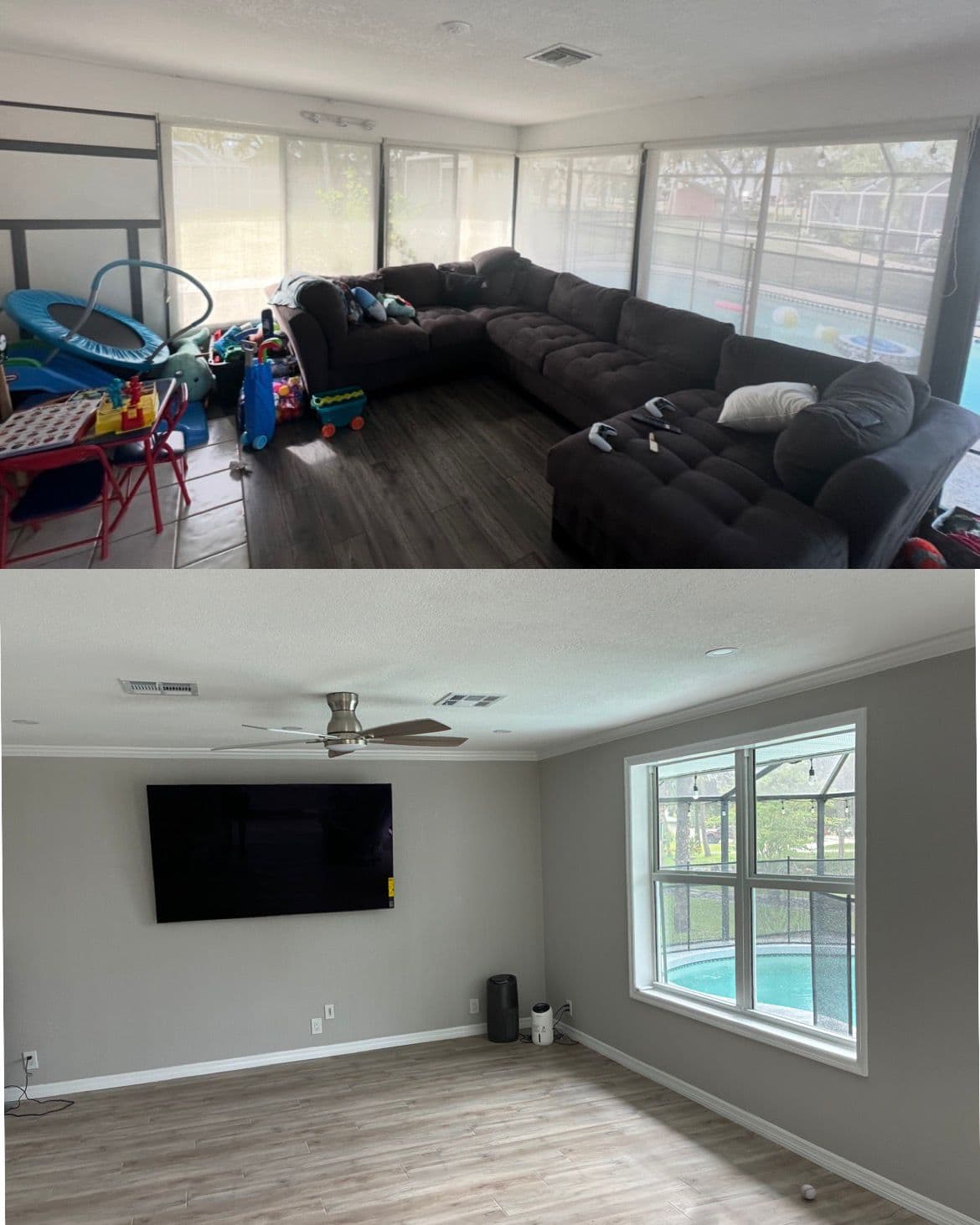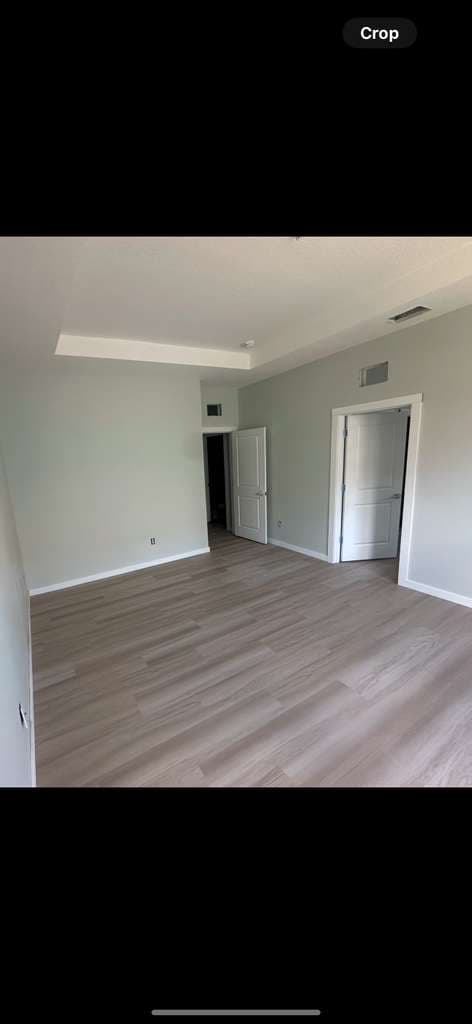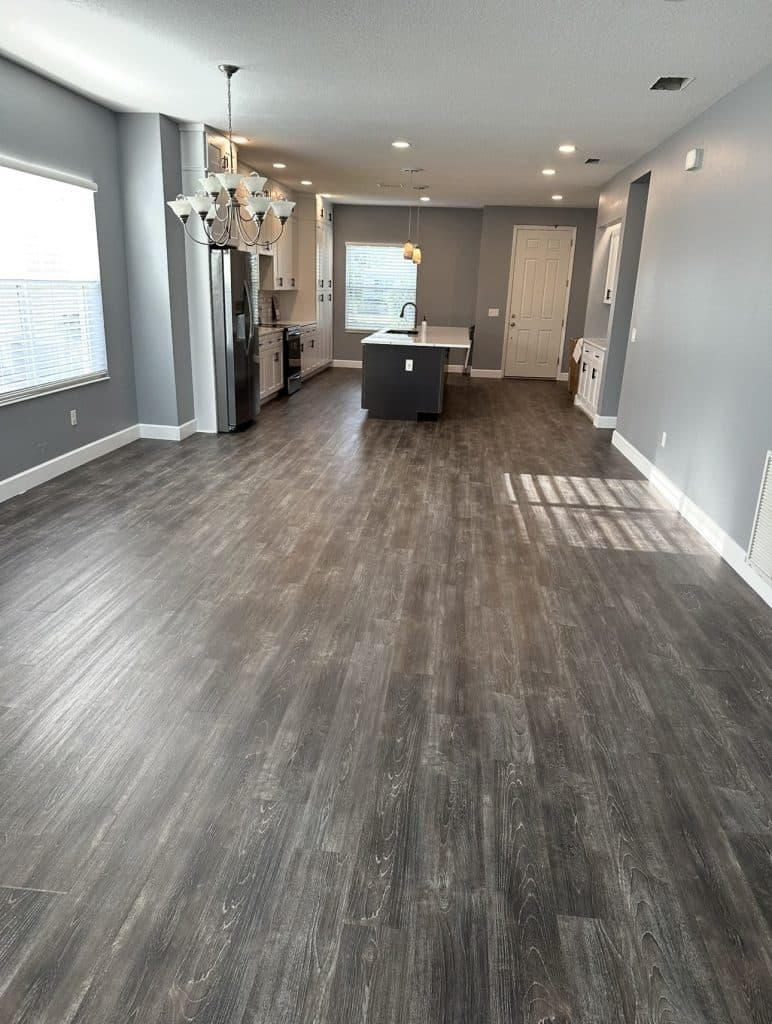
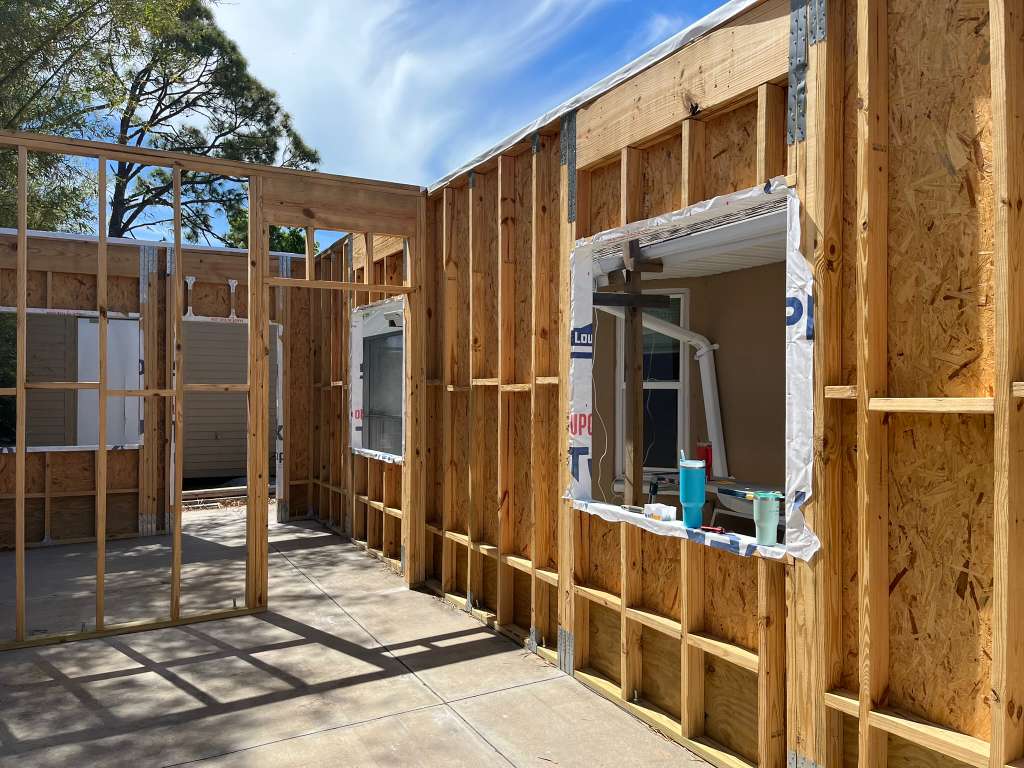
For another local planning perspective, the room addition sarasota service page outlines how additions fit into a licensed construction scope.
Scheduling is easier to understand when you also know why Florida home additions take longer than expected.
Your family outgrew the house about two years ago. The spare bedroom became a home office, the kids doubled up, and the garage turned into a storage unit. You've looked at moving, but everything in the North Port market is either too far from work, too expensive, or needs just as much work as your current place.
A room addition keeps you in the neighborhood you picked for a reason and adds square footage built to your spec. But adding onto a Florida home isn't the same as framing up a wood addition in Ohio. Sarasota County has specific wind-load requirements, flood zone considerations, and a permitting process that shapes every project. Here's how the process works and what it actually costs.
How Much Does a Home Addition Cost in North Port?
Addition costs in Southwest Florida depend on what you're building, how the new space connects to the existing home, and whether you need to upgrade systems (electrical panel, HVAC, plumbing) to support the extra square footage.
Here's what North Port homeowners are paying in 2026:
| Addition Type | Typical Cost Range | Size Range | | Single room (bedroom, office) | $35,000 - $65,000 | 150 - 300 sq ft | | Primary suite (bedroom + bath) | $60,000 - $110,000 | 250 - 450 sq ft | | Family room / great room | $50,000 - $90,000 | 200 - 400 sq ft | | In-law suite / ADU | $80,000 - $150,000+ | 400 - 800 sq ft | | Second story addition | $100,000 - $200,000+ | Varies by scope |
Cost per square foot for a CBS (concrete block) addition in this market runs $200 - $350 depending on finishes and complexity. That number includes foundation, block walls, roof tie-in, stucco, electrical, plumbing, HVAC extension, drywall, paint, and flooring. It does not include high-end finishes like custom tile, built-ins, or specialty windows.
Why Florida Additions Use Concrete Block
If you've looked at addition projects in other states, you've probably noticed they frame walls with wood studs. In Florida, most additions are built with CBS, which stands for concrete block structure. There are good reasons for that.
Hurricane resistance. Concrete block walls reinforced with rebar and filled with grout meet Florida's high-velocity wind zone requirements without the added cost of engineered shear walls and hurricane strapping that wood-frame construction requires.
Termite resistance. Subterranean termites are a year-round problem in Sarasota County. Block walls don't give them a food source. You still need termite treatment at the slab, but the wall system itself isn't at risk.
Insurance impact. Many Florida homeowners' insurance carriers offer lower rates for CBS construction. If your existing home is already block, matching the addition to the same construction type keeps your rating consistent.
Longevity. A CBS addition built to current Florida code will outlast a wood-frame addition in this climate. Moisture, humidity, and storm exposure all take a heavier toll on wood-frame structures over a 30-year timeline.
The Permit Process in Sarasota County
Pulling permits for a home addition in North Port involves the City of North Port Building Department or Sarasota County depending on whether your property falls inside city limits or in unincorporated county land. The process is similar for both, but turnaround times differ.
What you'll need before submitting:
- Engineered drawings (stamped by a Florida PE) showing the foundation, wall sections, roof tie-in, and wind-load calculations
- A site plan showing the addition's footprint relative to property lines, setbacks, and flood zones
- Separate permit applications for electrical, plumbing, and mechanical (HVAC) if those systems are being extended or modified
- A Notice of Commencement filed with the county clerk
Typical permit timeline: 3-6 weeks from submission to approval. Revisions add time. If your property is in a flood zone (parts of North Port along the Myakkahatchee Creek corridor are), you'll need an elevation certificate and may need to raise the finished floor elevation.
Your general contractor handles all of this. You shouldn't be the one standing at the permit counter or chasing down engineering revisions. That's what the GC license covers.
What the Build Looks Like, Step by Step
1. Site Prep and Foundation
The crew clears the build area, sets up erosion control if required, and excavates for the footer. In North Port's sandy soil, footers are typically 24 inches wide and 12 inches deep with continuous rebar. The concrete slab gets poured after plumbing rough-in is in place.
2. Block Walls Go Up
Masons lay the CBS block walls, filling cells with grout and setting vertical rebar at regular intervals per the engineer's specifications. Window and door openings get concrete lintels. The bond beam at the top ties everything together and provides the anchor point for the roof structure.
This is the stage where the project starts looking real. You'll see the room take shape in just a few days once the block crew is on site.
3. Roof Tie-In
The new roof structure ties into the existing roof system. This is one of the most critical details in any addition. A poor tie-in creates leaks, structural weakness, and insurance headaches. Your contractor should be removing existing roofing material back to solid decking, sistering new trusses or rafters to the existing structure, and installing a continuous waterproof membrane across the transition.
4. Mechanical Rough-In
Electricians run new circuits from the panel (or a sub-panel if the main panel is at capacity). Plumbers rough in supply and drain lines if the addition includes a bathroom or wet bar. The HVAC contractor extends ductwork or installs a mini-split system for the new space.
Each trade gets inspected separately before drywall goes up. No shortcuts here. The inspector checks every connection, every nail pattern, every strap.
5. Insulation, Drywall, and Finishes
Block walls get furring strips and rigid foam insulation on the interior. Drywall goes up. Then it's finish work: flooring, trim, paint, fixtures, doors, and windows. The transition between old and new space matters here. Good finish work makes the addition look like it was always part of the house.
6. Final Inspections and CO
The building department does a final inspection covering structural, electrical, plumbing, mechanical, and fire safety. Once that passes, you receive a Certificate of Occupancy (or a final inspection sign-off for additions that don't change the home's occupancy classification). Only then is the project officially complete.
How to Plan Your Addition Without Surprises
A few things North Port homeowners wish they'd known before starting:
Check your setbacks first. Every property in North Port has setback requirements that limit how close you can build to the property line. Side setbacks are typically 7.5 feet, rear setbacks are 20 feet, and front setbacks vary by zoning. If your lot is tight, the addition's footprint may be smaller than you imagined.
Get your HVAC assessed early. Adding 300 square feet to a home with a 2.5-ton AC system might push you past the system's capacity, especially in a Florida summer. An HVAC assessment before construction starts tells you whether you need to upsize the system, add a zone, or install a dedicated mini-split.
Budget 10-15% for the unexpected. Opening up an exterior wall on a 20-year-old North Port home sometimes reveals termite damage, outdated wiring, or plumbing that doesn't meet current code. A contingency fund keeps these discoveries from stalling the project.
Think about resale, not just livability. A well-built addition that matches the home's style and construction adds 50-70% of its cost to your home's appraised value. A poorly matched addition (wrong roofline, mismatched exterior, awkward interior flow) can actually hurt your value. Design matters as much as construction quality.
What Sets a Licensed GC Apart on Addition Projects
Home additions touch every trade: concrete, masonry, framing, roofing, electrical, plumbing, HVAC, insulation, drywall, and finish carpentry. That's 10+ subcontractors that need to show up in the right sequence, pass inspections, and deliver work that meets code.
A licensed general contractor coordinates all of that under one contract. You have one point of contact, one schedule, and one party responsible for the finished product. The alternative, hiring trades individually and managing the sequence yourself, works until the plumber no-shows and the drywall crew can't start and the whole timeline falls apart.
In Florida, a home addition requires a Certified Residential Contractor (CRC) or Certified General Contractor (CGC) license. Verify the license number on the Florida DBPR website before signing anything.
Ready to Talk About Your Addition?
If you're a North Port homeowner considering a room addition, the first step is walking the property together and talking through what you need, what the lot allows, and what the budget looks like. No pressure and no obligation.
Your Local GC Inc is a licensed general contractor (CRC #1335604) serving North Port, Venice, Port Charlotte, Punta Gorda, Sarasota, and surrounding communities. We handle everything from engineering and permits through final inspection.
Call (941) 391-7788 or request a free addition estimate to get started.