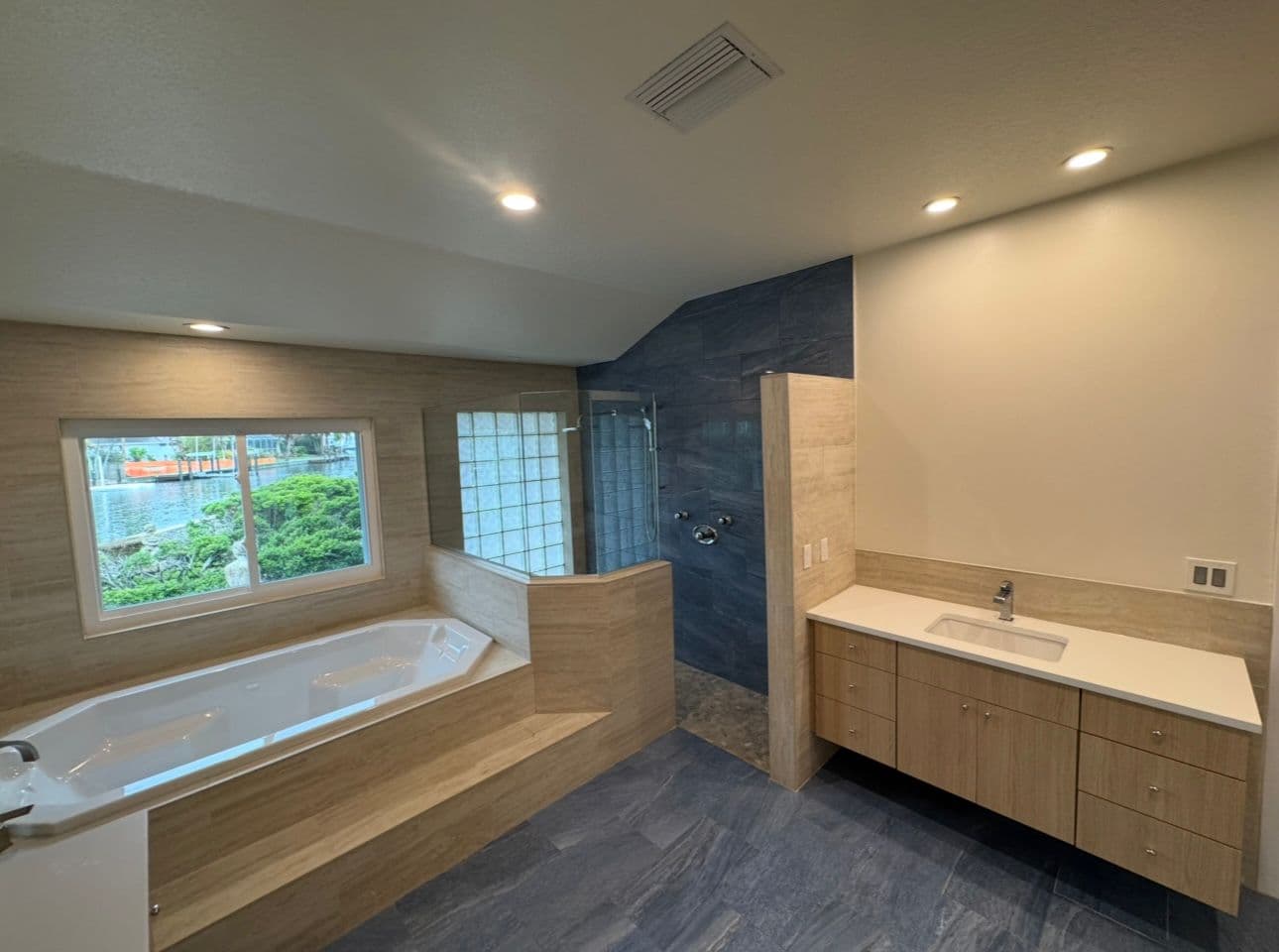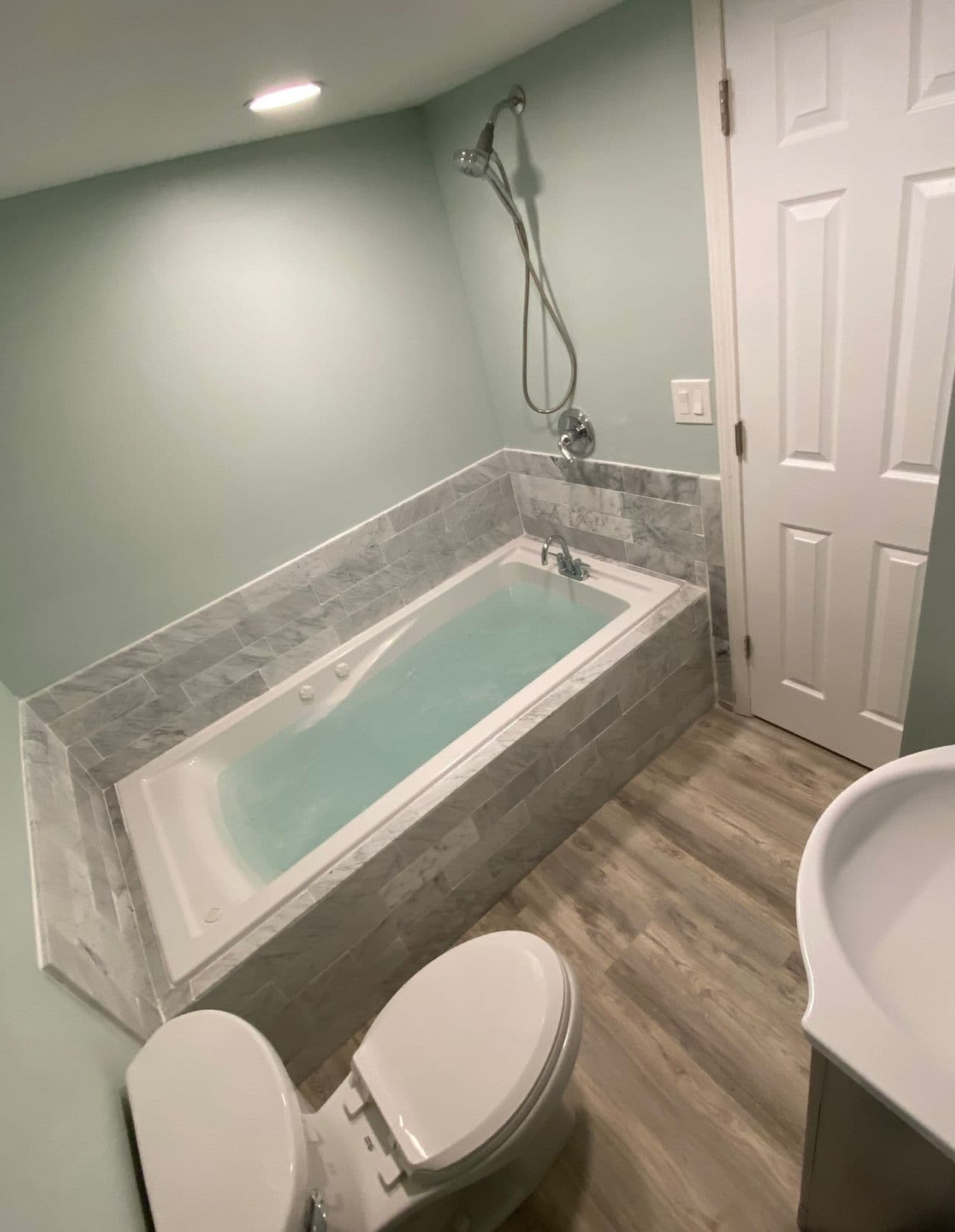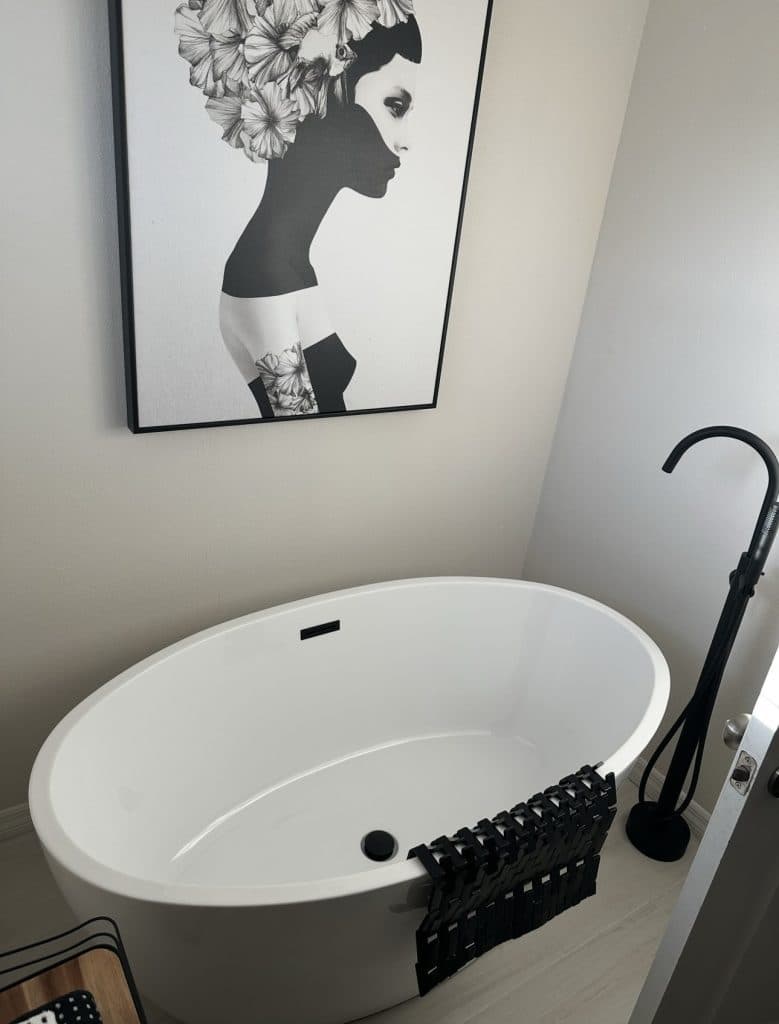
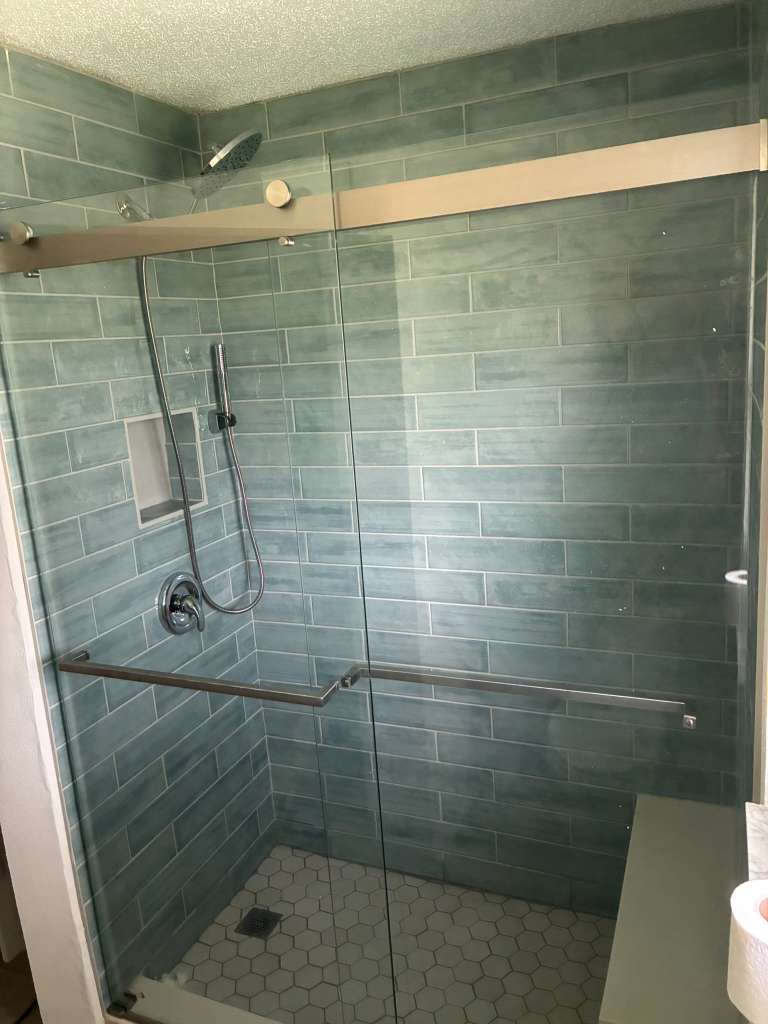
Most tub-to-shower conversions in Southwest Florida cost about $1,200 to $15,000, with many standard projects landing around $3,000. The final price depends on how much demolition is needed, whether plumbing stays put, the type of shower base or tile you choose, the glass package, waterproofing, and whether permits or accessibility requirements apply.
What a tub-to-shower conversion usually includes
A tub-to-shower conversion replaces an existing bathtub with a walk-in shower. In a basic project, that can mean removing the tub, installing a shower pan or base, adding wall panels or tile, updating fixtures, and finishing the surround.
Common parts of the job
- Demolition and debris removal
- Minor framing or repair work if walls are opened
- Plumbing adjustments for the shower valve and drain
- Waterproofing behind the finished surface
- Shower pan, base, or tiled floor
- Wall finish, such as acrylic panels or tile
- Shower door or curtain rod
- Trim, caulk, and final detailing
Some bathrooms are straightforward. Others reveal hidden issues once the old tub comes out, especially in homes with older plumbing, previous repairs, or moisture damage.
Typical price ranges homeowners see
A useful way to think about tub-to-shower conversion pricing is by project type rather than a single fixed number.
Basic conversion: lower-cost range
Basic conversions often use a prefabricated shower system and keep the existing layout. These projects are usually less expensive because they require less labor and fewer custom materials.
You may land in this range when:
- The tub is replaced in the same footprint
- The plumbing location stays the same
- The shower walls are prefabricated instead of custom tile
- There is no major wall repair or structural work
Midrange conversion: common homeowner choice
Many homeowners end up in the midrange because they want a more finished look without going fully custom. This often includes better fixtures, upgraded wall surfaces, and a more polished glass setup.
Higher-end conversion: custom work and upgrades
Costs move up when the project includes:
- Custom tile showers
- Larger shower footprints
- Frameless or premium glass
- Reconfigured plumbing
- Drain changes
- Tile niches, benches, or other built-ins
- Repair work after demolition
In Southwest Florida, moisture resistance matters too. A shower that is not built and sealed correctly can create problems later, so waterproofing is not the place to cut corners. For many homeowners, that is one reason to consult a local remodeling contractors Venice FL team familiar with bathroom updates in a humid climate.
What drives the cost up or down
The biggest cost drivers are usually easy to predict once you know what to look for.
1) Demolition scope
If the new shower uses the same footprint as the old tub, labor is usually simpler. If walls need to come out, if the subfloor is damaged, or if framing needs to be modified, the price can rise quickly.
2) Plumbing changes
Keeping the existing drain and supply lines in place is usually more affordable. Moving the drain, changing the valve location, or upgrading old plumbing can add labor and materials.
3) Waterproofing needs
In Florida, waterproofing is especially important. A shower enclosure needs a reliable moisture barrier, properly sealed seams, and correct installation details. If the project opens up walls and reveals previous water damage or mold, that can add more work.
If moisture has been a concern in your bathroom, it may help to read why shower grout keeps cracking in Florida before you decide on materials and finish details.
4) Finish level
Your shower finish has a big impact on budget.
- Prefabricated systems: generally lower cost, faster install
- Acrylic or solid-surface panels: midrange, easier to maintain
- Custom tile: more labor, more design flexibility, higher cost
5) Glass and hardware
A curtain is the least expensive option. Sliding doors, semi-frameless doors, and frameless glass all cost more, with the price increasing as the glass package becomes more custom.
6) Permits and inspections
Some projects require permits or inspections depending on the scope and local rules. Permits can add roughly $200 to $2,000, though the actual amount depends on the municipality and the work involved. If electrical, plumbing, or structural changes are part of the job, permit needs become more likely.
7) Accessibility features
If the shower is being designed for accessibility, costs may rise because of added requirements such as wider clearances, grab bars, low-threshold or curbless entry details, seated features, and fixture placement. Florida accessibility requirements can apply in certain situations, so it is worth confirming the rules before work begins.
Southwest Florida factors that affect pricing
Local conditions matter more than many homeowners expect. Southwest Florida bathrooms deal with heat, humidity, and frequent moisture exposure, which means material choice and installation quality are especially important.
Humidity and moisture resistance
A bathroom in this region needs materials that can hold up over time. That does not automatically mean the most expensive option is the best one, but it does mean the lowest-cost solution should still include proper waterproofing and sealing.
Older homes and hidden repairs
Some homes in the area have older tub surrounds, aging plumbing, or past patchwork repairs. Once the tub is removed, installers may find issues that were not visible before. Common surprises include:
- Water-damaged drywall
- Soft subflooring
- Corroded supply lines
- Drain problems
- Improper previous waterproofing
Layout efficiency
The more the new shower fits the old footprint, the more likely the job stays in the lower or midrange pricing band. Once walls move or plumbing is relocated, costs tend to climb.
Ways homeowners can control the budget
A tub-to-shower conversion does not have to become a luxury remodel. You can make smart choices that keep the project practical.
Choose a shower system that fits the home
If your priority is function and easier maintenance, a prefabricated or solid-surface system can be a good balance of cost and durability. If you love tile, use it selectively and be realistic about the added labor.
Keep the layout where it is
Keeping plumbing in place is one of the easiest ways to avoid unnecessary expense.
Plan for moisture protection up front
It may feel less exciting than choosing fixtures, but waterproofing is one of the most important parts of the budget. Skipping steps here can lead to far higher repair costs later.
Be clear about finish priorities
Decide what matters most before the project starts:
- Easier cleaning
- Spa-like appearance
- Accessibility
- Lower upfront cost
- Long-term durability
That helps the project team recommend materials that match your goals instead of pushing extras you do not need.
When a tub-to-shower conversion makes sense
This type of project is a good fit when a homeowner wants better day-to-day use, easier cleaning, or a more open bathroom feel. It can also be a practical solution if a tub is rarely used.
Good reasons to convert
- You do not use the bathtub
- You want safer entry and exit
- You prefer a cleaner, more modern look
- You need easier upkeep
- The old tub is damaged or dated
When to think twice
If a bathtub is important for resale, kids, or personal use, it may be worth keeping at least one tub somewhere in the home. A local remodeling plan should fit how your household actually lives, not just the latest trend.
What to ask before you get a quote
A quote is only useful if it reflects the real scope of the work. Before approving a tub-to-shower conversion, ask questions that help clarify the price.
Helpful questions for homeowners
- Does the estimate include demolition, debris removal, and cleanup?
- Are plumbing changes included, or only the shower installation?
- What waterproofing materials and methods will be used?
- Is the shower base prefabricated, solid surface, or tile?
- Does the price include glass, fixtures, and finishing details?
- Are permits or inspections expected for this scope?
A clear quote can help you compare options without confusion.
Choosing the right approach for your bathroom
The best tub-to-shower conversion is not always the cheapest one. It is the one that fits your home, your budget, and your maintenance expectations.
A simple decision framework
- Lowest budget: keep the layout, use a prefabricated system, minimize plumbing changes
- Balanced value: upgrade finishes without going fully custom
- Highest customization: tile, glass, built-ins, and layout changes
If you are still deciding what kind of remodel makes the most sense, a local remodeling contractors Sarasota FL resource can help you think through the scope before you commit to materials.
FAQ
How much does a tub-to-shower conversion cost in Southwest Florida?
Most projects cost about $1,200 to $15,000, with many standard conversions around $3,000. The range depends on plumbing, materials, waterproofing, glass, and permits.
Why do some tub-to-shower conversions cost so much more?
Price increases usually come from custom tile, larger shower footprints, plumbing changes, glass upgrades, and repairs uncovered during demolition.
Is a prefabricated shower system cheaper than tile?
Yes. Prefabricated systems usually cost less because they require less labor and are faster to install than custom tile showers.
Do I need a permit for a tub-to-shower conversion?
Sometimes. Permit requirements depend on the scope of work and local rules. Plumbing, structural, or accessibility-related changes are more likely to trigger permit needs.
What hidden costs should I watch for?
Common surprises include water damage, subfloor repair, old plumbing issues, upgraded waterproofing, and changes required after the old tub is removed.
Can I convert a tub to a shower in a small bathroom?
Yes. Small bathrooms are often good candidates for a conversion, especially when the new shower keeps the same footprint and the design is chosen carefully.
Bottom line
If you are asking how much a tub-to-shower conversion costs, the short answer is that most Southwest Florida homeowners should expect a range of about $1,200 to $15,000, with many projects clustering near $3,000. The biggest variables are demolition, plumbing, waterproofing, finish level, glass, and permits. A well-planned project starts with a clear scope, realistic material choices, and a design that works for the way you use your bathroom every day.