A musty bathroom smell usually means there is too much moisture somewhere in the room, and the fix starts with ventilation, drying, and leak detection rather than masking the odor. To stop a bathroom from smelling musty, run the exhaust fan during and after showers, reduce humidity, dry wet surfaces quickly, and check for hidden leaks, condensation, or mold growth before the problem spreads.
Why bathrooms start smelling musty
A musty smell is often one of the first signs that a bathroom is staying damp longer than it should. In most homes, that odor comes from mold, mildew, or bacteria growing on wet surfaces or inside areas that do not dry properly.
Bathrooms create the perfect conditions for odor problems:
- frequent steam from showers and baths
- condensation on mirrors, walls, and ceilings
- damp towels, mats, and bath rugs
- plumbing leaks that stay hidden
- weak or improperly vented exhaust fans
In Southwest Florida, the problem can get worse because outdoor air is already humid for much of the year. That means a bathroom may never fully dry if the room does not have strong ventilation and active moisture control.
Musty does not always mean visible mold
You may not see black spots or obvious staining. Sometimes the source is behind a vanity, under a toilet base, inside drywall, around trim, or under flooring. If the smell returns after cleaning, it often points to a moisture issue that still needs attention.
The fastest way to stop a bathroom from smelling musty
If you want the smell to go away, focus on moisture first. Cleaning can help, but it will not solve the issue if the room is still getting wet and staying damp.
1. Run the exhaust fan correctly
Turn on the bathroom fan before showering if possible, and keep it running afterward long enough to clear steam from the room. A fan works best when it is sized well for the bathroom and vents to the outside, not into an attic or another enclosed space.
If your fan is noisy, weak, or not moving much air, it may not be doing enough to remove moisture. In some homes, the fan is present but ineffective because of dust buildup, poor ducting, or venting problems.
2. Dry the room quickly
Wet surfaces should not sit for long. Dry shower walls, floors, counters, and corners after use, and hang towels so they can dry fully. Bath mats and rugs should not stay damp for hours.
Pay attention to:
- shower corners
- the floor around the toilet
- baseboards near tubs and vanities
- the area behind the door
- grout lines and caulk joints
The goal is to remove standing moisture before it has time to feed mold growth or keep odors trapped in the room.
3. Lower humidity
Use the air conditioner, a dehumidifier, or open windows when weather allows to reduce moisture in the room. In humid climates, even small improvements in airflow and humidity control can make a noticeable difference.
If the bathroom stays humid long after showers are over, the room may need better ventilation, better sealing, or materials that hold up better in wet conditions.
4. Clean visible mold and mildew
If you can see mold or mildew, clean it promptly and make sure the moisture source is fixed at the same time. Cleaning without fixing the cause usually means the smell will come back.
Focus on areas that are commonly overlooked:
- ceiling corners
- behind the toilet
- around the tub or shower base
- under the vanity
- inside cabinet toe kicks
- around vent covers
If growth keeps returning, there is likely more moisture present than you can see.
What to inspect when the smell keeps coming back
A recurring musty odor usually means the problem is hidden, incomplete, or both. A surface cleaning may reduce the smell for a while, but if the room still has a leak or condensation issue, the odor will likely return.
Check for plumbing leaks
Look under sinks, around supply lines, behind the toilet, and around the tub or shower plumbing. Even a slow drip can keep nearby materials damp enough to create a musty smell.
Areas to inspect include:
- toilet base
- shutoff valves
- sink trap and supply lines
- tub spout and shower fixtures
- caulk around the tub and shower
A leak does not have to be dramatic to cause odor. Small, ongoing moisture problems are often the hardest to find.
Watch for condensation on cold surfaces
Bathrooms can develop condensation on mirrors, pipes, tile, and vents. If warm shower steam repeatedly hits a cool surface, water can collect and drip into hidden places.
This is especially important in humid climates where surfaces can stay damp much longer. If you notice frequent dripping or fogging that lingers, ventilation may need to be improved.
Look for failed caulk or grout
Cracked grout and failing caulk can allow water to move behind walls, tile, or trim. Once moisture gets into those areas, the odor may continue even after the visible surface looks clean.
If you see gaps, crumbling grout, or caulk that has pulled away, those areas should be repaired. Small openings can let in a surprising amount of water over time.
Inspect hidden moisture traps
Sometimes the odor comes from materials that absorb water and do not dry out quickly, such as:
- drywall
- wood trim
- cabinet bottoms
- flooring underlayment
- insulation in wall cavities
If a bathroom smells musty even after thorough cleaning, those hidden materials may need to be evaluated.
Common sources of bathroom odors homeowners miss
Not every bad smell is from mold alone. Several everyday bathroom issues can create a stale, damp odor that seems musty.
Dirty or slow-draining shower drains
Hair, soap residue, and grime can collect in drains and give off an unpleasant smell. A drain issue may not create a classic mold odor, but it can make the bathroom smell damp and unpleasant.
Wet towels and bath mats
A bathroom can smell musty simply because towels or rugs never fully dry. In a humid home, fabric that stays damp can hold odors and make the whole room smell stale.
Leaking toilet base
If a toilet base is leaking, moisture can get trapped at the floor and under the toilet. That can lead to a persistent odor and possible damage to the flooring below.
Poor exhaust fan performance
Sometimes the fan exists, but it is too weak, clogged, or not venting outside. In that case, the room may seem ventilated, but moisture is actually being trapped.
Moisture under flooring or behind walls
This is one of the more serious possibilities. If a bathroom has a hidden moisture issue under tile, vinyl, or laminate, the smell may be strongest near the floor or along a wall, even when the room looks fine.
When cleaning is enough and when it is not
Sometimes a deep clean solves the problem. Other times, cleaning only covers up an active moisture issue.
Cleaning may be enough if:
- the smell is mild and recent
- there is no visible mold growth
- all plumbing is dry
- the fan is working well
- the room dries quickly after use
Cleaning is not enough if:
- the smell returns again and again
- you notice peeling paint, soft drywall, or warped trim
- there is a leak under a sink or around the toilet
- the fan vents poorly or not at all
- there is recurring mildew on grout, caulk, or walls
If the odor keeps coming back, the bathroom likely needs repair work, not just scrubbing.
Why Southwest Florida bathrooms need extra moisture control
In Southwest Florida, bathrooms often face more moisture stress than bathrooms in drier climates. Warm temperatures, high humidity, and frequent AC use can all affect how quickly a room dries.
That means homeowners should pay close attention to:
- strong exhaust ventilation
- dehumidification when needed
- prompt leak repairs
- moisture-resistant finishes and materials
- regular cleaning of grout, caulk, and drains
Even a well-kept bathroom can develop odor issues if the room is not drying out properly after daily use. A bathroom that feels slightly damp most of the time is more likely to develop mildew and hidden mold.
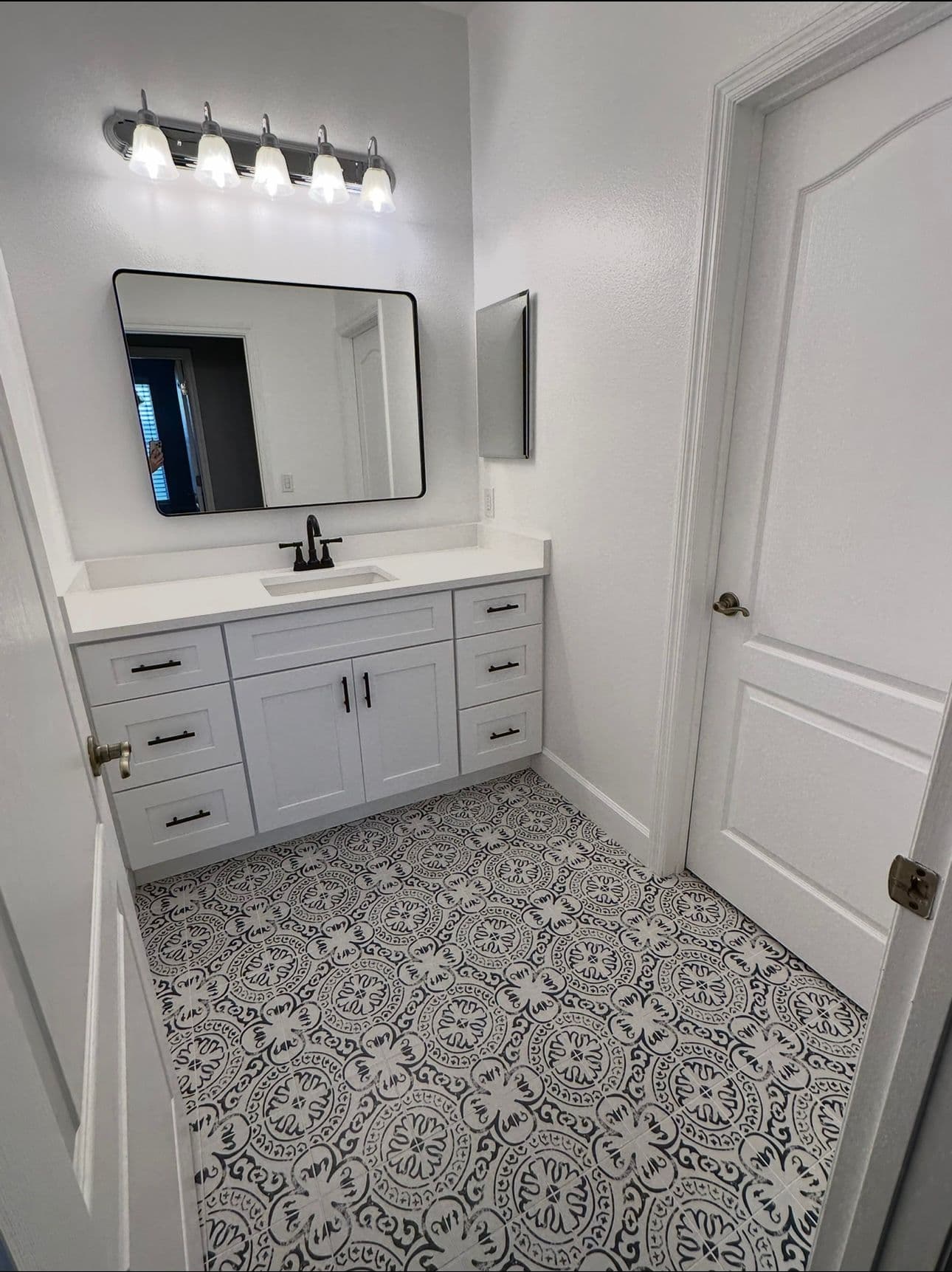
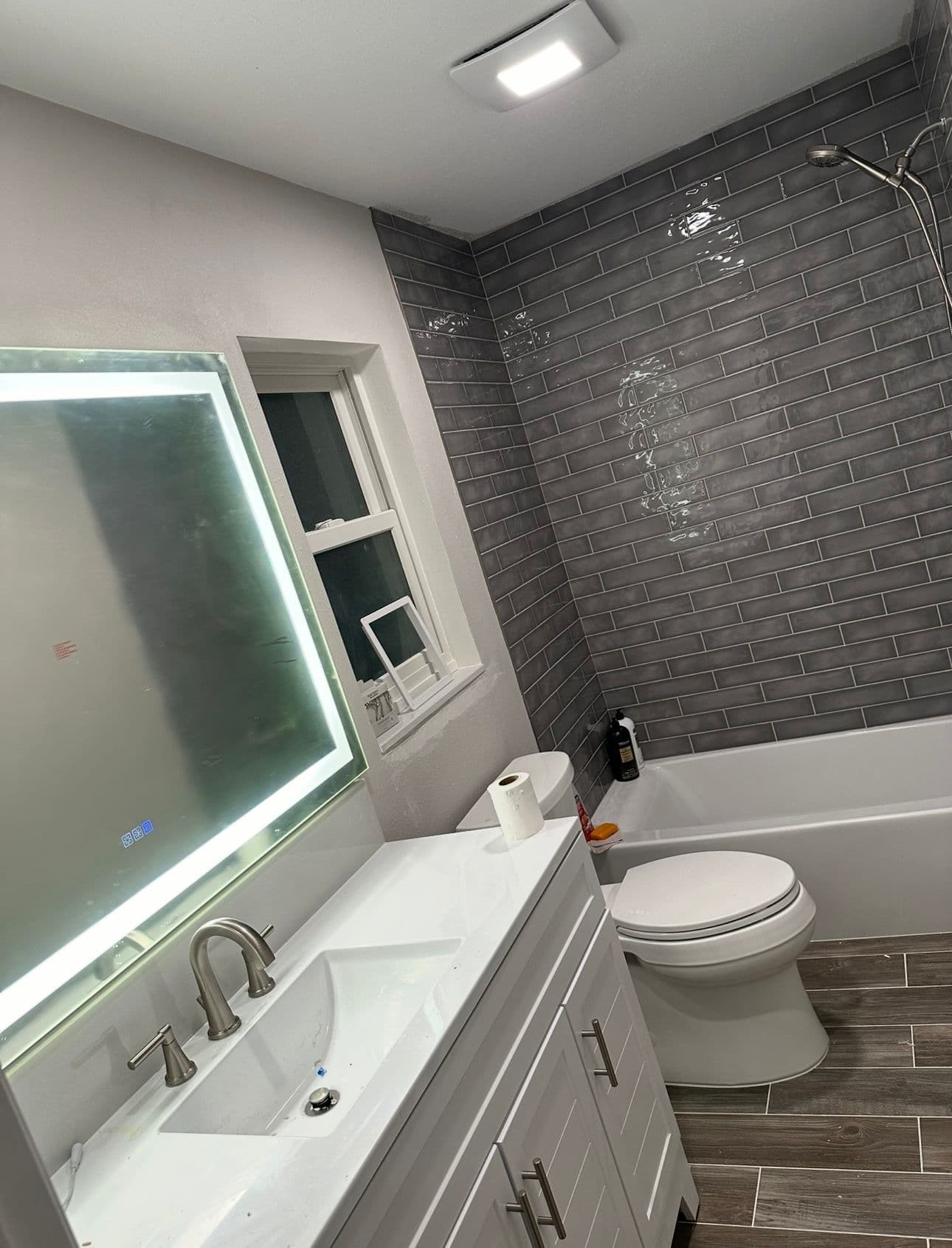
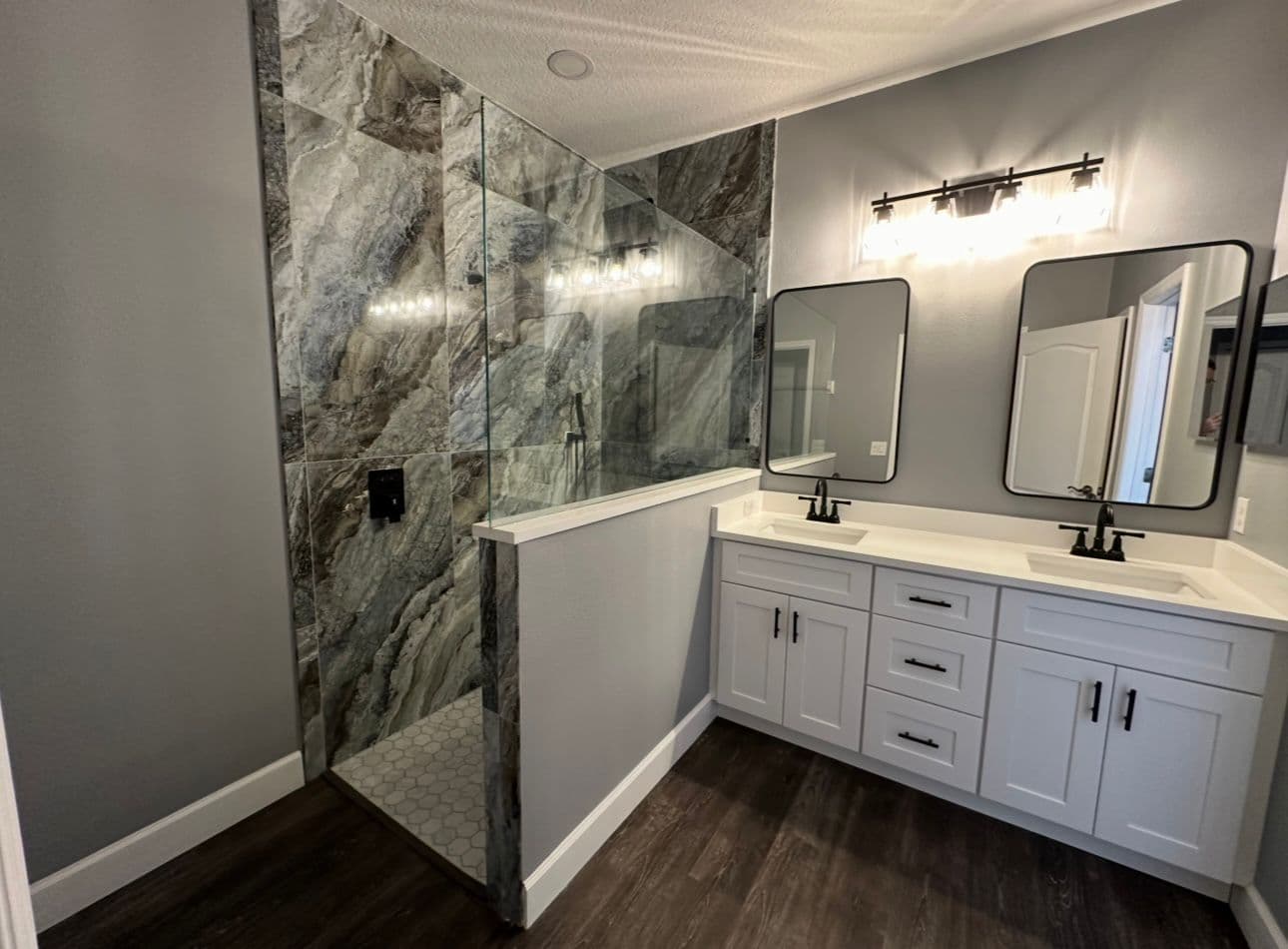
If you are considering a bigger update to improve moisture control, it can help to think through ventilation, layout, and materials together. A well-planned bathroom remodel port charlotte fl can address problem areas that simple cleaning cannot fix.
Materials that may help in a humid climate
The right materials can make a difference, but they are not a substitute for fixing leaks and ventilation. Depending on the space, homeowners may consider:
- moisture-resistant paint
- quality caulk at wet joints
- tile and grout that are maintained properly
- vanities that do not trap standing water
- flooring suited to wet-room conditions
Material choices should be matched to the bathroom’s specific conditions, not picked as a one-size-fits-all answer.
When to call a professional
You may be able to handle a surface odor problem yourself, but some signs mean the issue should be evaluated by a professional.
Call for help if:
- the smell returns after cleaning
- you see recurring mold or mildew
- there is a soft spot in the floor or wall
- you suspect a leak inside a wall or under flooring
- the exhaust fan does not seem to vent properly
- the toilet, tub, or shower area has repeated moisture problems
A bathroom that smells musty over and over usually has a source that needs repair, not just deodorizing. If the problem involves hidden water damage, the sooner it is addressed, the less likely it is to spread.
Simple prevention habits that really help
Once the smell is gone, small habits can keep it from coming back.
After every shower
- run the exhaust fan
- wipe excess water from tile and glass
- hang towels spread out so they dry faster
- open the door if it helps air movement and privacy allows
Weekly habits
- check grout and caulk for gaps
- clean the drain cover and visible drain area
- wash bath mats and towels regularly
- inspect under the vanity for moisture
Seasonal habits
- test whether the fan is still moving air well
- look for signs of condensation during humid months
- check for stains, peeling paint, or swelling around trim
- review whether the bathroom still dries as quickly as it should
These simple steps do not require major work, but they can prevent the conditions that lead to odor in the first place.
FAQ
Why does my bathroom smell musty even after cleaning?
Because the smell is often caused by moisture, not just surface dirt. If a leak, condensation problem, or hidden mold source is still present, the odor can return after cleaning.
How do you stop a bathroom from smelling musty fast?
Start by running the exhaust fan, drying all wet surfaces, opening windows if conditions allow, and checking for visible moisture around the toilet, sink, tub, and shower. Then look for the source of the dampness.
Can a bathroom fan remove a musty smell on its own?
A good fan helps a lot, but it will not solve a leak or hidden mold problem. If the fan does not vent outside or is not strong enough, it may not remove enough moisture to prevent odors.
What bathroom areas should I check first?
Start with the shower drain, toilet base, under the sink, caulk and grout joints, bath mats, and any place that stays damp after showering. Those are common odor sources.
Is musty smell always mold?
Not always, but mold and mildew are common causes. The smell can also come from damp fabric, dirty drains, or trapped moisture in hidden materials.
When should I get professional help?
If the smell keeps returning, if you suspect moisture behind walls or under flooring, or if you see signs of water damage, it is time to have the bathroom inspected and repaired.
For homeowners who want to understand how recurring moisture problems can keep coming back, this guide on why bathroom mold keeps coming back North Port may also be helpful.