A moldy bathroom is fixed in two parts: remove the visible mold and eliminate the moisture source that let it grow in the first place. In Southwest Florida, that usually means stopping leaks, venting shower humidity outdoors, drying wet materials quickly, and replacing anything that stayed damp too long. Cleaning alone is not enough if the bathroom still holds moisture.
Start with the moisture problem, not just the stain
Mold is a symptom of excess moisture. If you only scrub the spots you can see, the mold often comes back because the bathroom is still wet behind the scenes. The first step is to figure out where the water is coming from.
Common bathroom moisture sources
- A slow plumbing leak under a sink or behind a wall
- A shower or tub leak around tile, grout, caulk, or fixtures
- An exhaust fan that is weak, broken, or venting into the attic instead of outdoors
- Shower steam that lingers because the room does not dry out fast enough
- Condensation on cold surfaces during humid weather
- Water that has soaked into drywall, trim, or cabinetry
In Southwest Florida, humidity makes this worse. Even a bathroom that seems to dry “pretty well” can stay damp enough for mold to return if ventilation is poor or a leak is hidden.
What to check first
- Look under sinks and around the toilet base.
- Inspect the tub or shower for cracked grout, failed caulk, or loose fixtures.
- Run the exhaust fan and see whether it actually moves air outside.
- Watch for soft drywall, peeling paint, bubbling trim, or musty odors.
- If the mold keeps returning in one spot, assume there is a water source nearby until proven otherwise.
Remove mold from hard surfaces safely
Once the moisture source is addressed, you can clean mold from nonporous surfaces such as glazed tile, glass, metal, and sealed countertops. The goal is to remove the growth without spreading spores around the bathroom.
Safer cleaning approach
For small areas on hard surfaces, CDC and EPA guidance support cleaning with soap and water. A bleach solution can also be used on suitable hard surfaces, but it should never be stronger than 1 cup of household bleach per 1 gallon of water. Always follow the product label, and never mix bleach with ammonia or other cleaners.
Cleanup basics
- Open windows if weather allows and run ventilation during cleaning.
- Wear gloves, goggles, and an N95 respirator if you are disturbing moldy material.
- Use damp cleaning methods rather than dry scrubbing when possible.
- Bag disposable cleaning materials afterward.
- Dry the surface completely when finished.
When cleaning is not enough
Cleaning may not solve the problem if mold has grown into porous materials. In that case, the material often needs to be removed and replaced.
Know when porous bathroom materials need replacement
Bathrooms contain a lot of materials that do not tolerate prolonged moisture well. If they stayed wet long enough, they may keep supporting mold even after surface cleaning.
Materials that may need to be removed
- Drywall
- Insulation
- Carpet or rug backing
- Baseboards that are swollen or soft
- Cabinet parts made from particleboard or similar materials
- Ceiling materials that show staining, sagging, or soft spots
A useful rule of thumb
If a porous material was soaked and could not be dried quickly, it may not be salvageable. Florida guidance emphasizes drying wet materials within about 24 hours when possible. The longer the material stays wet, the more likely it is to need removal.
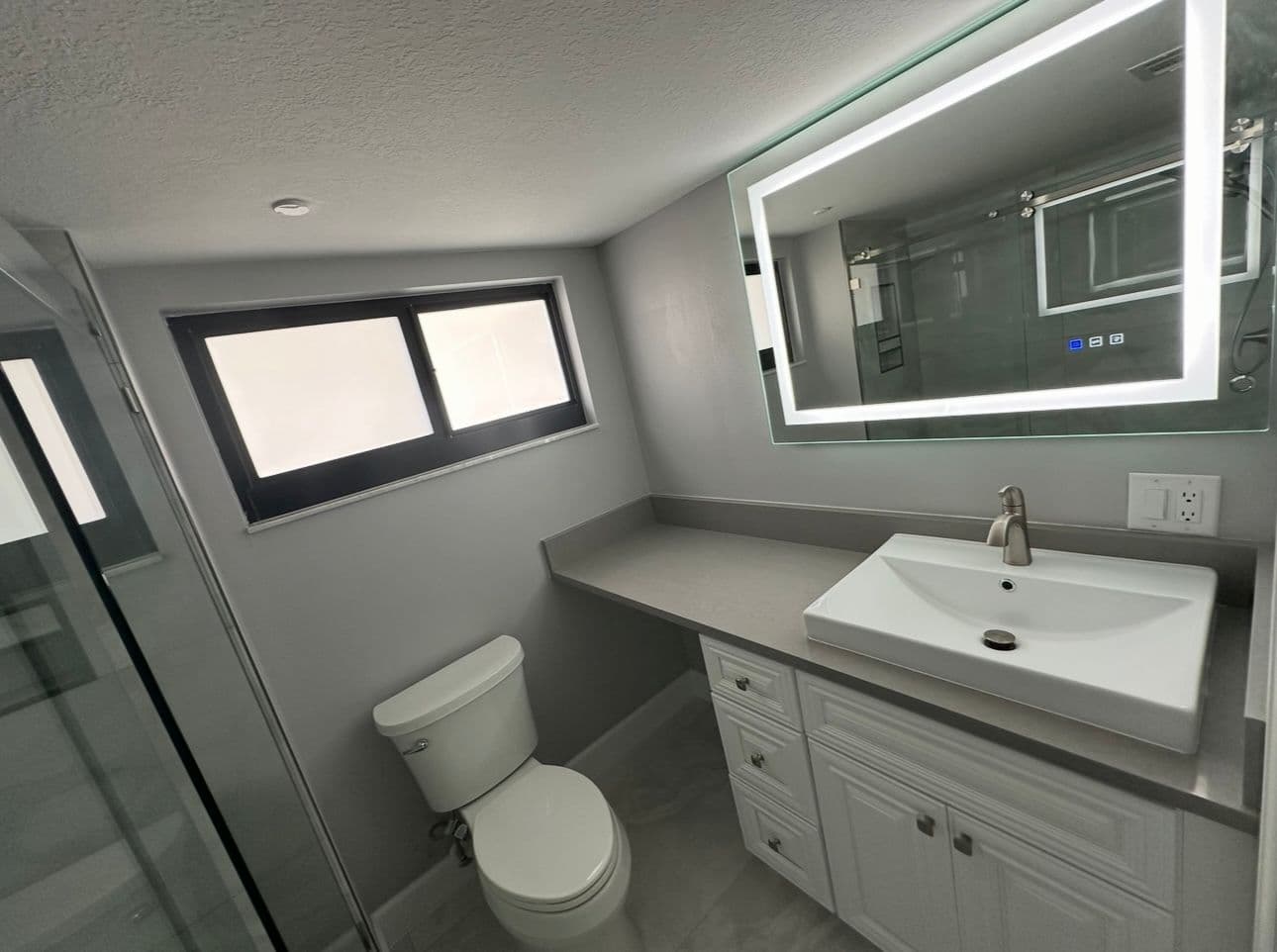
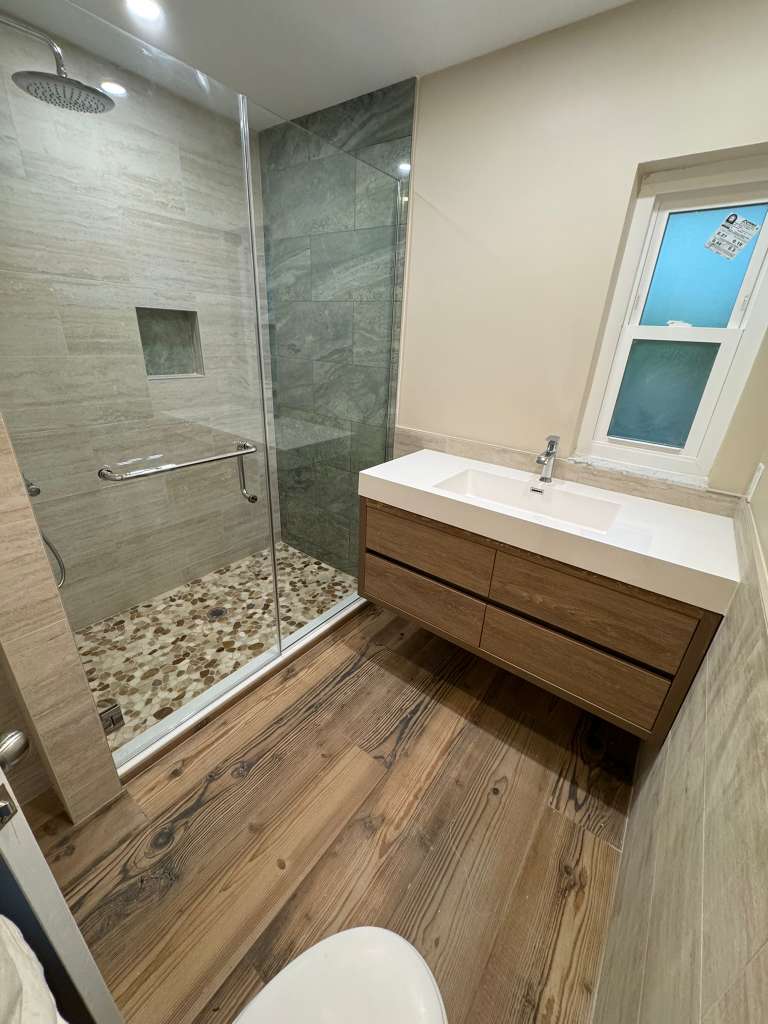
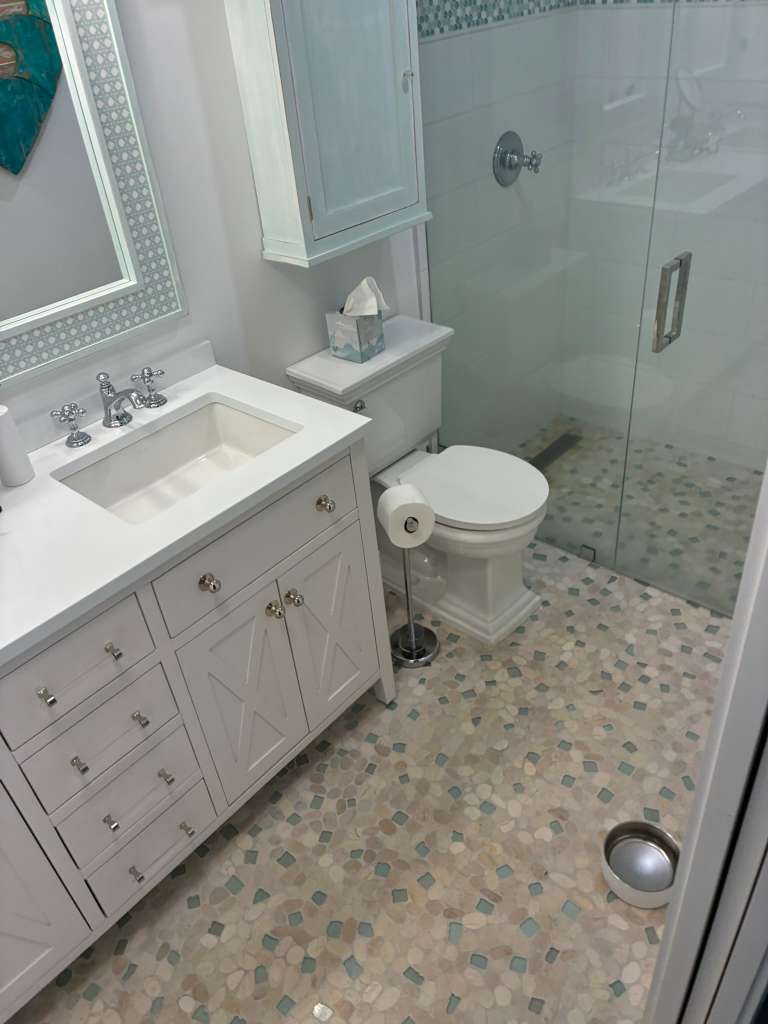
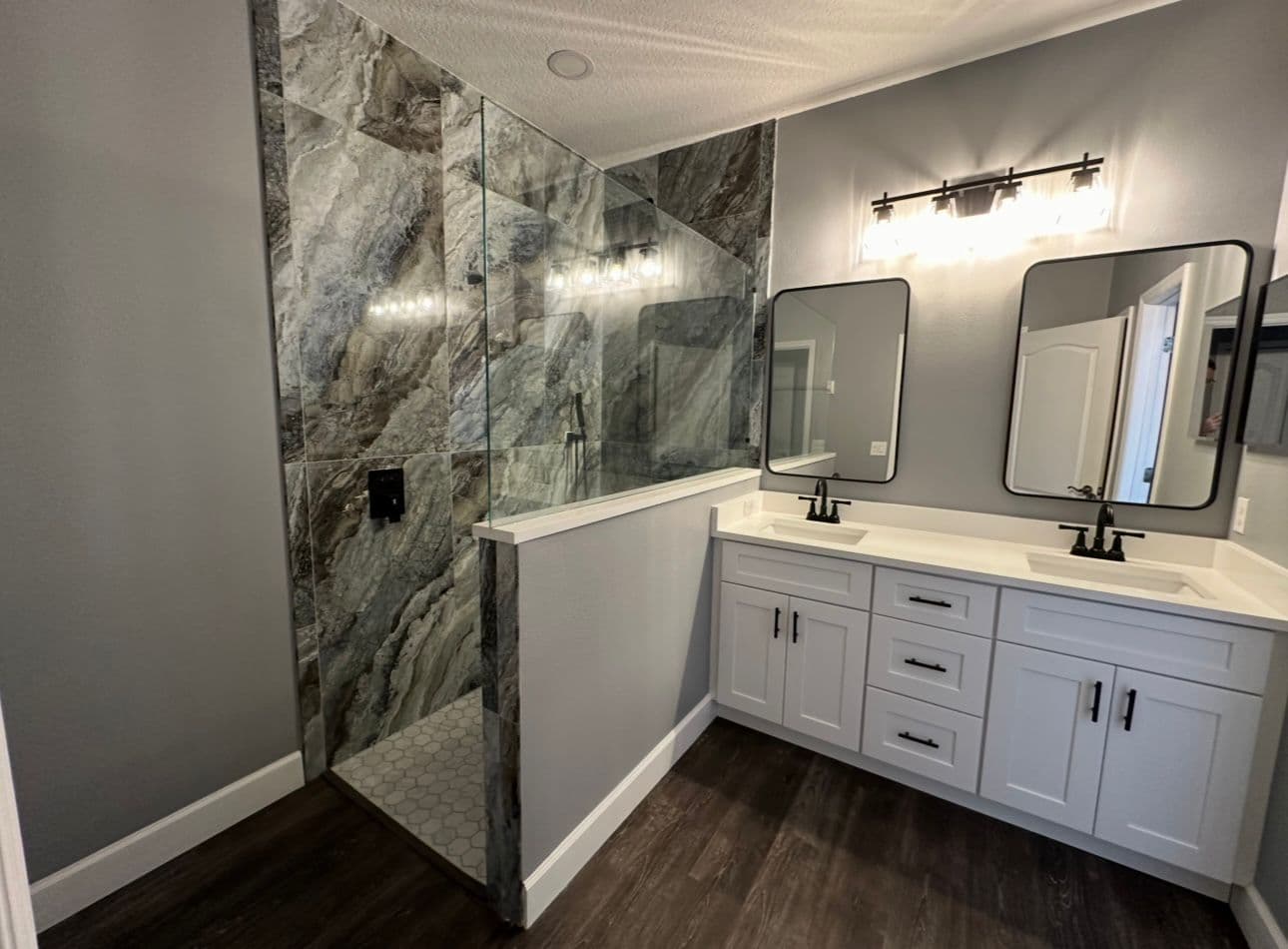
If you are seeing mold on drywall, behind vanities, or around shower walls, it may be time for a larger repair scope rather than another round of surface cleaning. In many cases, bathroom remodel port charlotte fl work becomes the practical solution once damaged materials and moisture issues overlap.
Dry the bathroom fast and lower humidity
Drying matters just as much as cleaning. Mold does not need standing water to grow; it only needs repeated dampness. That is why a bathroom can look clean but still develop new mold spots a week later.
How to dry the space properly
- Run the exhaust fan during showers and for a while afterward
- Use a fan or dehumidifier if the room stays damp
- Wipe down shower walls, glass, and wet surfaces after use
- Hang towels so they can dry fully
- Keep doors and cabinets open when practical to let air move
- Dry any spilled water right away
Humidity control in Southwest Florida
Humidity control is especially important in this climate. Florida health guidance recommends keeping indoor humidity below 60% if possible. For many homeowners, that means making sure the bathroom fan actually vents outside and that the room is not trapping steam after every shower.
If your bathroom does not have reliable ventilation, that is not just an annoyance; it is often part of the mold problem.
Fix the building details that let mold return
A moldy bathroom usually points to a home maintenance or remodeling issue, not just a cleaning issue. Once the room is dry, look at the details that may need repair.
Common repairs that help prevent recurrence
- Replacing failed caulk around tubs, showers, sinks, and toilets
- Regrouting or repairing cracked tile joints
- Fixing plumbing leaks behind walls or under fixtures
- Replacing damaged drywall or trim
- Upgrading or repairing an exhaust fan
- Making sure the fan vents to the outdoors, not into the attic
- Replacing water-damaged vanity parts or shelving
Why this matters before finishing work
New paint, new caulk, or a fresh backsplash will not solve a hidden leak. If the substrate underneath is still damp, the problem will show up again. That is why the order matters: stop the water, dry the room, remove damaged materials, and then rebuild.
When the bathroom may need a remodel-level repair
Sometimes the mold is only part of a bigger issue. If there is repeated water intrusion, swollen cabinetry, a failing shower surround, or damaged wallboard, a repair may involve more than patching one spot. A broader project can be the better long-term fix when moisture has spread beyond the visible surface.
Protect yourself during cleanup
Mold cleanup can disturb spores and dust, especially if you are removing old caulk, drywall, or other damaged material. Safety matters even for small jobs.
Basic protection steps
- Wear gloves
- Use goggles to keep debris out of your eyes
- Use an N95 respirator if you are cleaning or removing moldy material
- Avoid spreading debris through the home
- Wash hands and clothes after the work is done
If the affected area is large, the material is heavily damaged, or the bathroom has sewage-related contamination, a professional cleanup approach is usually the safer choice.
When to bring in professional help
Some mold problems are suitable for a careful homeowner cleanup. Others are better handled by a contractor or remediation professional, especially when the damage is more extensive.
Consider professional help if:
- The mold covers a large area
- The bathroom has repeated mold after several cleanings
- There is visible damage inside walls, ceilings, or cabinets
- The exhaust fan is not working or not vented correctly
- There was sewage backup or other contaminated water
- You suspect the HVAC system may also be affected
In situations like these, a proper repair plan matters more than a quick cosmetic fix. If the bathroom needs moisture-related repairs as well as new finishes, working with a local remodeler can help you address the root problem and rebuild the room correctly.
A practical step-by-step fix for homeowners
Here is the simplest way to think about how to fix a moldy bathroom:
- Stop the water source. Repair leaks, failed caulk, plumbing issues, or fan problems.
- Dry the room quickly. Use ventilation and airflow to remove moisture.
- Remove damaged porous materials. Replace anything that stayed wet too long and cannot be dried properly.
- Clean hard surfaces. Use soap and water, or a properly diluted bleach solution where appropriate.
- Improve future ventilation. Make sure steam is exhausted outdoors and humidity stays under control.
- Rebuild only after the area is fully dry. New finishes should go on dry, stable surfaces.
That sequence is what keeps a mold problem from becoming a repeat problem.
How Southwest Florida homes are different
Homes in Southwest Florida deal with year-round humidity, strong sun, and frequent air-conditioning use, all of which can contribute to condensation and moisture imbalance inside the home. Bathrooms are especially vulnerable because they combine running water, steam, and surfaces that may not dry quickly.
Local conditions that make bathroom mold more likely
- High outdoor humidity
- Heavy shower use in compact bathrooms
- Exhaust fans that are undersized or rarely used
- Older grout, caulk, and sealants that have started to fail
- Water intrusion after storms or roof leaks that spread into walls or ceilings
That is why a moldy bathroom here is rarely just a cleaning job. Homeowners usually get better results when they treat it as a moisture-and-repair issue from the start.
Helpful related reading
If your bathroom mold keeps returning, it may be tied to a recurring moisture issue such as cracked grout or a hidden leak. This guide may help you spot the cause: Why Bathroom Mold Keeps Coming Back in North Port.
FAQ
Can I just bleach mold off bathroom walls?
Bleach can help on some hard, nonporous surfaces, but it is not a complete fix if moisture is still present. If drywall, trim, or other porous materials are affected, they may need replacement.
How do you fix a moldy bathroom if the mold keeps returning?
Find the moisture source first. Repeated mold usually means a leak, poor ventilation, or trapped humidity is still present. Cleaning without fixing that source will usually lead to more growth.
Do I need to replace drywall with mold on it?
Sometimes, yes. If drywall was soaked, softened, or remained wet too long, cleaning the surface may not be enough. The material may need to be cut out and replaced.
Is a bathroom fan enough to prevent mold?
Only if it is working properly and vented outdoors. A fan that is weak, broken, or venting into the attic will not control moisture the way it should.
How long does bathroom material need to dry to avoid mold?
The faster, the better. Florida guidance emphasizes drying wet materials within about 24 hours when possible. If the material stayed wet longer, the risk of mold increases.
When should I call a contractor instead of cleaning it myself?
If the mold is widespread, keeps coming back, or is tied to damaged drywall, cabinetry, or shower walls, a contractor can help address the hidden moisture problem and repair the damaged materials properly.
The short answer to how do you fix a moldy bathroom? Remove the mold, stop the moisture, dry everything fast, and replace anything that cannot be safely dried or cleaned. In a humid place like Southwest Florida, that full approach is what makes the difference between a temporary cleanup and a lasting repair.