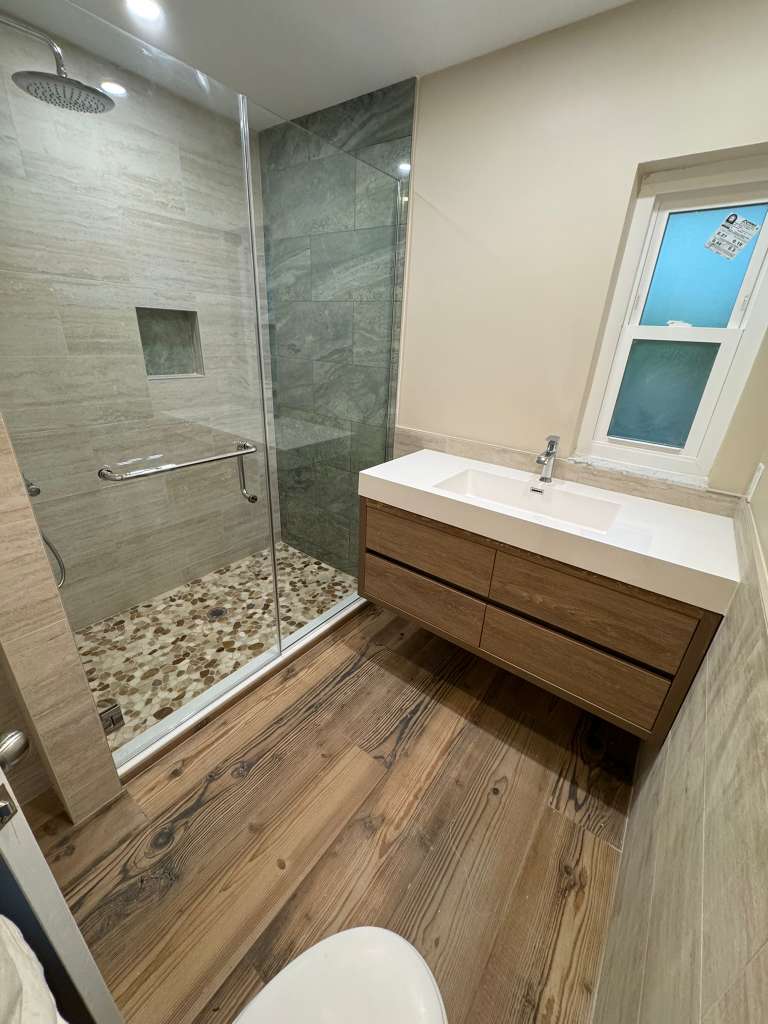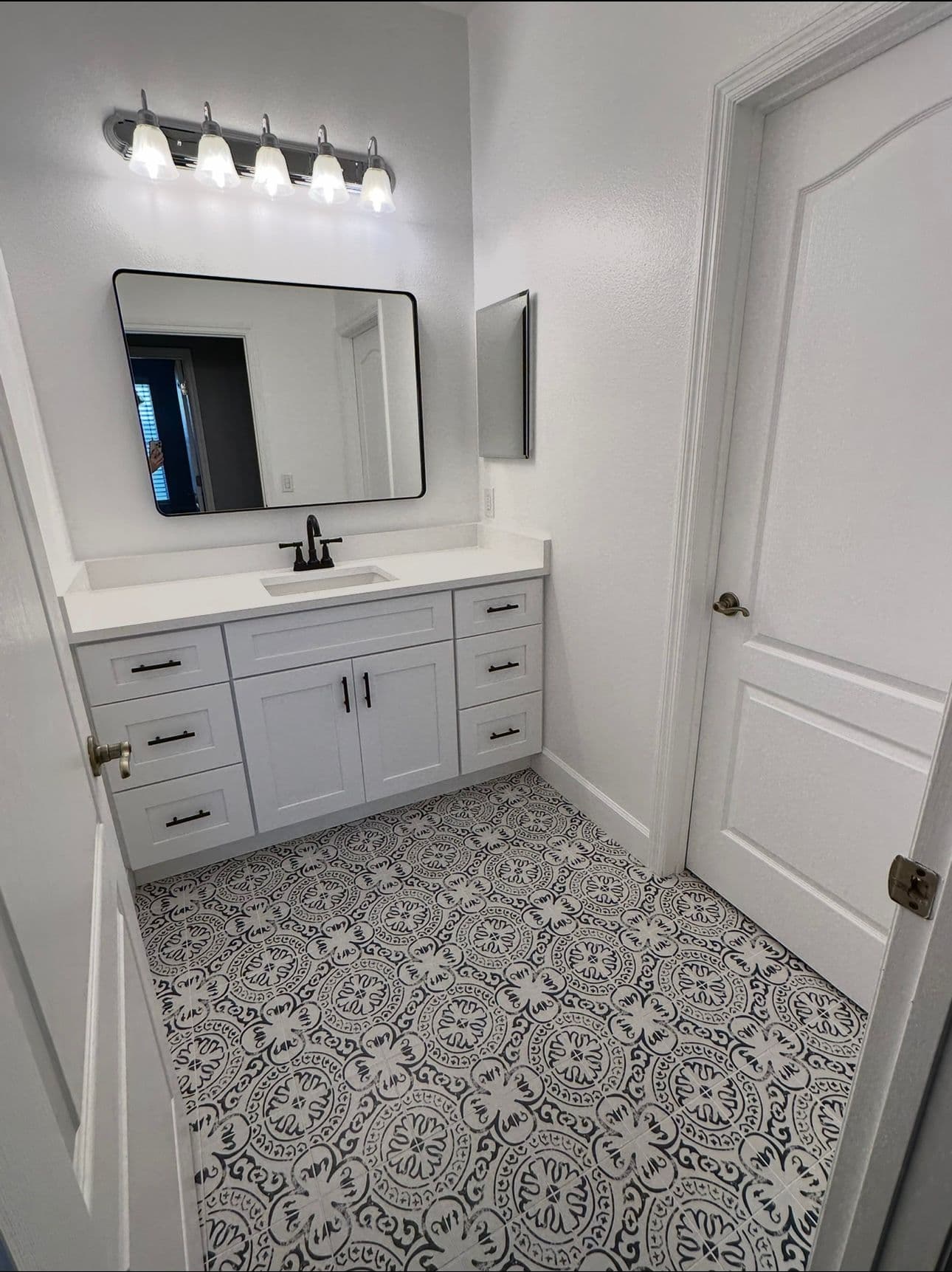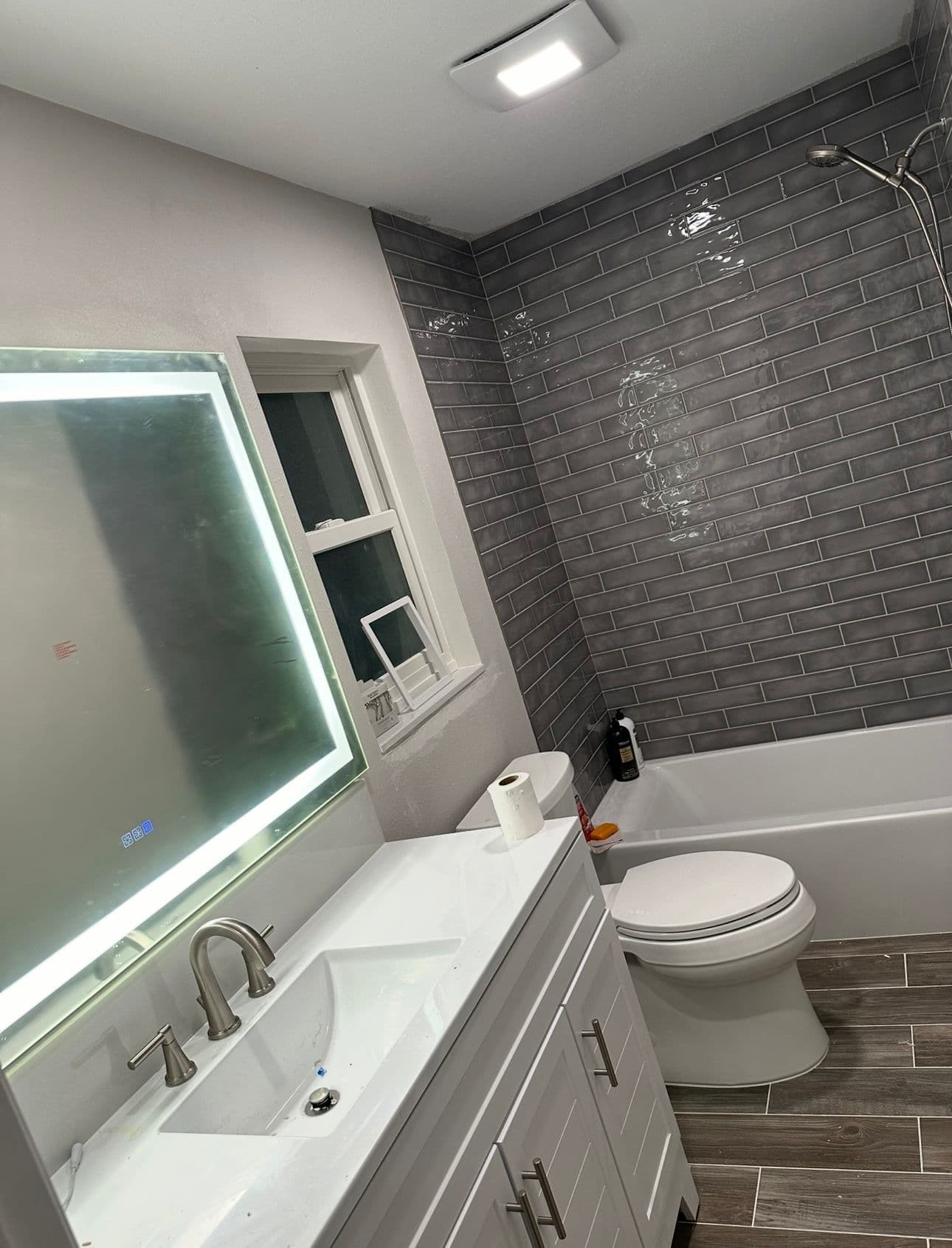
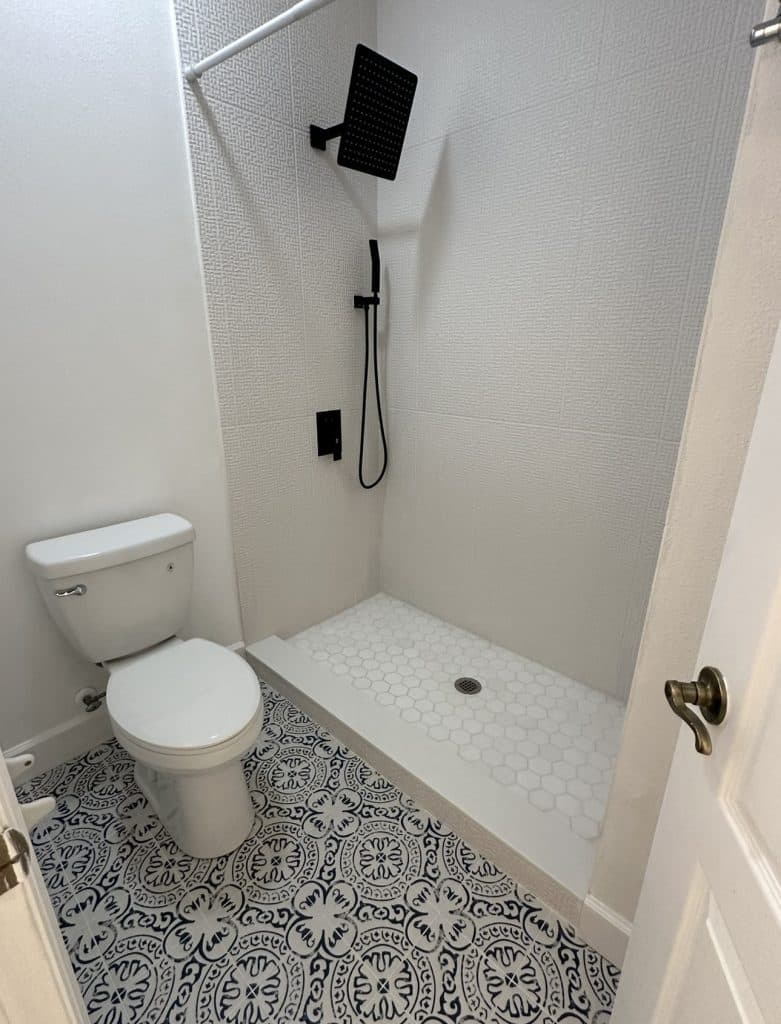
If you’re deciding how to choose tile for a shower floor, start with function first: pick a tile that provides good wet traction, fits the drain type and slope of the shower, and can be installed over a properly waterproofed base. In most Southwest Florida homes, that usually means a small-format porcelain tile or mosaic with a matte or textured finish, not a large polished tile. The best-looking shower floor still has to drain well, stay safer when wet, and hold up to daily use in a humid climate.
What matters most when choosing shower floor tile
Shower floor tile is different from wall tile. It’s walked on barefoot, gets soaked every day, and depends on the slope, drain, and waterproofing underneath it. That means the “best” tile is not just the one you like visually. It’s the one that performs well in a wet environment.
Start with safety, not just style
When people ask how do you choose tile for a shower floor?, slip resistance should be the first filter. A shower floor is one of the wettest surfaces in a house, so finish and texture matter a lot.
Look for:
- A matte or lightly textured surface
- A tile intended for wet-area use
- Manufacturer guidance for shower floors
- A surface that won’t feel slick when barefoot
Polished tile can look beautiful on walls or dry floors, but it is usually not the best fit for a shower floor because it can become slippery when wet.
Consider how the shower is built
Tile choice depends on the shower assembly as much as the tile itself. The drain style, slope, and waterproofing all affect what will work best.
Ask these questions before choosing tile:
- Is the shower using a center point drain or a linear drain?
- How is the floor sloped?
- What waterproofing system is being used?
- Will the tile need to wrap around curves or a pan with multiple slopes?
If the base is not designed correctly, even a good tile can perform poorly.
Best tile materials for a shower floor
Not every tile material belongs on a shower floor. For most Southwest Florida remodels, porcelain is usually the most practical option because it is dense, moisture-resistant, and widely used in shower applications.
Porcelain: the most common all-around choice
Porcelain is a strong option for shower floors because it:
- Resists moisture well
- Holds up to daily use
- Comes in many colors and styles
- Is available in small mosaics and shower-friendly formats
Porcelain gives homeowners a lot of design flexibility without sacrificing performance. That makes it a sensible choice for many bathroom remodels, especially where humidity and frequent shower use are part of normal life.
Ceramic can work in some applications
Ceramic tile is sometimes used in showers, but it is usually less dense than porcelain. That doesn’t automatically make it a bad choice, but it does mean the product must be selected carefully and installed correctly.
If you’re comparing porcelain and ceramic, ask whether the specific tile is approved by the manufacturer for shower-floor use and whether it has the right surface texture for wet conditions.
Natural stone and pebbles: attractive, but more demanding
Stone and pebble floors can create a custom look, but they often require more maintenance and more careful installation. The irregular surface can also make cleaning harder.
Pebble floors may be a good visual fit for some designs, but they are not always the easiest choice for everyday comfort or maintenance. If you like the look, make sure the installer addresses slope, grout, and sealing needs carefully.
Tile size and shape: why smaller is usually better
Tile size plays a major role in shower-floor performance. In most showers with a center drain, smaller tiles are preferred because they conform better to the sloped base.
Small mosaics fit the floor better
Small tiles, typically mosaics, are often the safest and most practical choice for a standard shower floor with a point drain. They work well because:
- They adapt to the slope more easily
- They create more grout joints, which can help with traction
- They reduce the risk of awkward lippage on a sloped surface
- They make it easier to follow the drain’s shape
That doesn’t mean the tile has to be tiny for every shower, but smaller formats are usually more forgiving in a traditional shower pan.
Larger tiles may work with a linear drain
A linear drain changes the layout of the floor. Because the surface can slope in a single direction instead of from all sides, larger-format tile becomes more realistic.
This can be a good option if you want a cleaner, more modern look. Still, larger tile on a shower floor must be selected carefully so it drains properly and doesn’t create standing water.
Round pebbles are not automatically better
A pebble floor may seem like the most “grippy” option, but traction is only part of the story. Pebbles can be less comfortable underfoot and harder to clean if the surface is too uneven.
If you like pebble tile, make sure the installer can manage the layout, slope, and grout joints in a way that keeps the shower practical long term.
Drain type and slope should guide your tile choice
The drain and slope are structural decisions that affect everything else. In other words, you should not pick shower floor tile in isolation.
Point drain showers usually need smaller tile
A standard center drain means the shower floor slopes from multiple directions toward one point. That creates a more complex surface for tile installation.
Smaller tiles are often the best fit because they can handle those angle changes better than larger tile.
Linear drains offer more flexibility
Linear drains allow the floor to slope more uniformly. That makes larger tiles more practical and can also simplify the visual layout.
If you’re planning a more open, barrier-free shower, this can be a smart option. But the details still matter, and the entire assembly has to be built correctly.
Slope is not optional
A shower floor must drain properly. If the slope is wrong, water can pool, grout can deteriorate faster, and the shower may become harder to keep clean.
For homeowners, the takeaway is simple: don’t choose tile until the shower base design is settled.
Waterproofing and installation matter as much as the tile
A beautiful tile choice won’t solve a bad shower build. In fact, many shower problems come from what’s underneath the tile, not the tile itself.
Waterproofing is the real foundation
The shower floor, walls, and transitions need proper waterproofing. Tile is the visible finish layer, but the membrane or waterproofing system is what protects the structure below.
Without reliable waterproofing, even high-end tile can fail early.
Grout joints affect traction and maintenance
More grout joints can improve grip, especially with small tiles or mosaics. But grout also means more maintenance.
That’s the tradeoff:
- More joints = often better traction
- Fewer joints = easier cleaning, but potentially less grip
The best balance depends on your shower, the tile size, and how much maintenance you want to handle.
Installation quality changes performance
Two showers can use the same tile and behave very differently if one was installed well and the other wasn’t. Proper setting, proper slope, and careful waterproofing are what make the tile work as intended.
If you’re also thinking about the rest of your bathroom remodel, it helps to work with a team that understands how the shower pan fits into the larger project. You can see one example of that broader approach here: bathroom remodel port charlotte fl.
Best shower floor tile options for Southwest Florida homes
Southwest Florida homes face extra moisture, heat, and everyday humidity. That makes practical material choice especially important.
Good all-purpose choice: porcelain mosaic
For many homes, a matte porcelain mosaic is the safest recommendation because it offers:
- Good water resistance
- Better traction than polished finishes
- Flexibility on sloped floors
- A wide range of styles
This is often the most dependable starting point for a standard shower with a center drain.
Good modern choice: larger porcelain with a linear drain
If the design includes a linear drain, a larger-format porcelain tile can create a cleaner, more contemporary look.
This setup can work well, but only when the shower is designed for it from the beginning.
Possible specialty choice: textured pebble or stone look
If you want a more natural look, pebble-style tile can be considered. Just make sure you understand the cleaning needs and comfort level before committing.
A simple homeowner checklist before you buy
Before you order shower floor tile, use this quick checklist.
Ask these questions
- Is this tile approved for shower-floor use by the manufacturer?
- Is the finish matte or textured rather than polished?
- Does the size fit the drain type and slope?
- Will the tile work with the waterproofing system being installed?
- How much cleaning and maintenance will it need?
- Does it feel comfortable and stable under bare feet?
Review the installation plan, not just the sample board
A showroom sample can be misleading if you don’t know how the shower will be built. Ask about the full assembly:
- Drain location
- Floor slope
- Waterproofing method
- Grout type
- Tile layout
That’s how you avoid choosing a tile that looks good in theory but doesn’t fit the actual shower design.
Common mistakes to avoid
A few simple mistakes cause a lot of shower-floor frustration later.
Choosing based on looks alone
A tile can be attractive and still be the wrong fit for a wet shower floor.
Using tile that is too large for the drain type
Large tile in a point-drain shower can be difficult to slope properly and may create awkward cuts or drainage issues.
Ignoring finish and texture
A slick finish can create a poor barefoot experience, especially in a shower that gets used daily.
Overlooking the installation system
Waterproofing, slope, and tile layout should be planned together. If those details are left out, the shower may not perform well even if the tile itself is a good product.
When it makes sense to get professional help
Shower-floor tile is one of those choices where the details can get technical quickly. If you’re remodeling a bathroom in Southwest Florida, it’s worth getting guidance early so the tile selection matches the shower design from the start.
This is especially helpful if:
- You want a barrier-free or curbless shower
- You’re considering a linear drain
- You’re unsure whether a mosaic, pebble, or larger tile is best
- You want the shower to coordinate with the rest of the bathroom remodel
- You’re planning multiple upgrades at once
If you want to talk through layout, waterproofing, or shower-floor options as part of a larger project, start here: general contractor north port fl.
FAQ: How do you choose tile for a shower floor?
What is the safest tile for a shower floor?
For many homes, small-format porcelain with a matte or textured finish is a strong choice because it balances slip resistance, durability, and moisture resistance.
Can you use large tile on a shower floor?
Sometimes, but it depends on the drain type and the slope. Large tile is generally easier to use with a linear drain than with a standard center drain.
Are mosaics better for shower floors?
Mosaics are often a good fit for shower floors, especially with point drains, because they follow the slope more easily and create more grout joints for traction.
Is polished tile okay in a shower?
Polished tile is usually not the best choice for a shower floor because it can become slippery when wet.
Do grout lines help with traction?
Yes, more grout joints can improve grip, but they can also increase maintenance. The right balance depends on the tile size and your cleaning preferences.
Does the waterproofing system matter as much as the tile?
Yes. In a shower, the waterproofing, slope, and drain details are just as important as the tile selection itself.
Final thoughts
If you’re wondering how do you choose tile for a shower floor?, the short answer is: choose for performance first and style second. For most Southwest Florida homes, that means a porcelain tile with a matte or textured finish, usually in a small format if the shower has a center drain. Then make sure the shower is built with the right slope, waterproofing, and drain system so the tile can do its job.
The right tile choice should look good, feel safe underfoot, and hold up in daily use. When those three things come together, the shower works better and is easier to live with over time.
For related bathroom repair concerns that can affect tile and grout performance, you may also find this helpful: why shower grout keeps cracking florida.