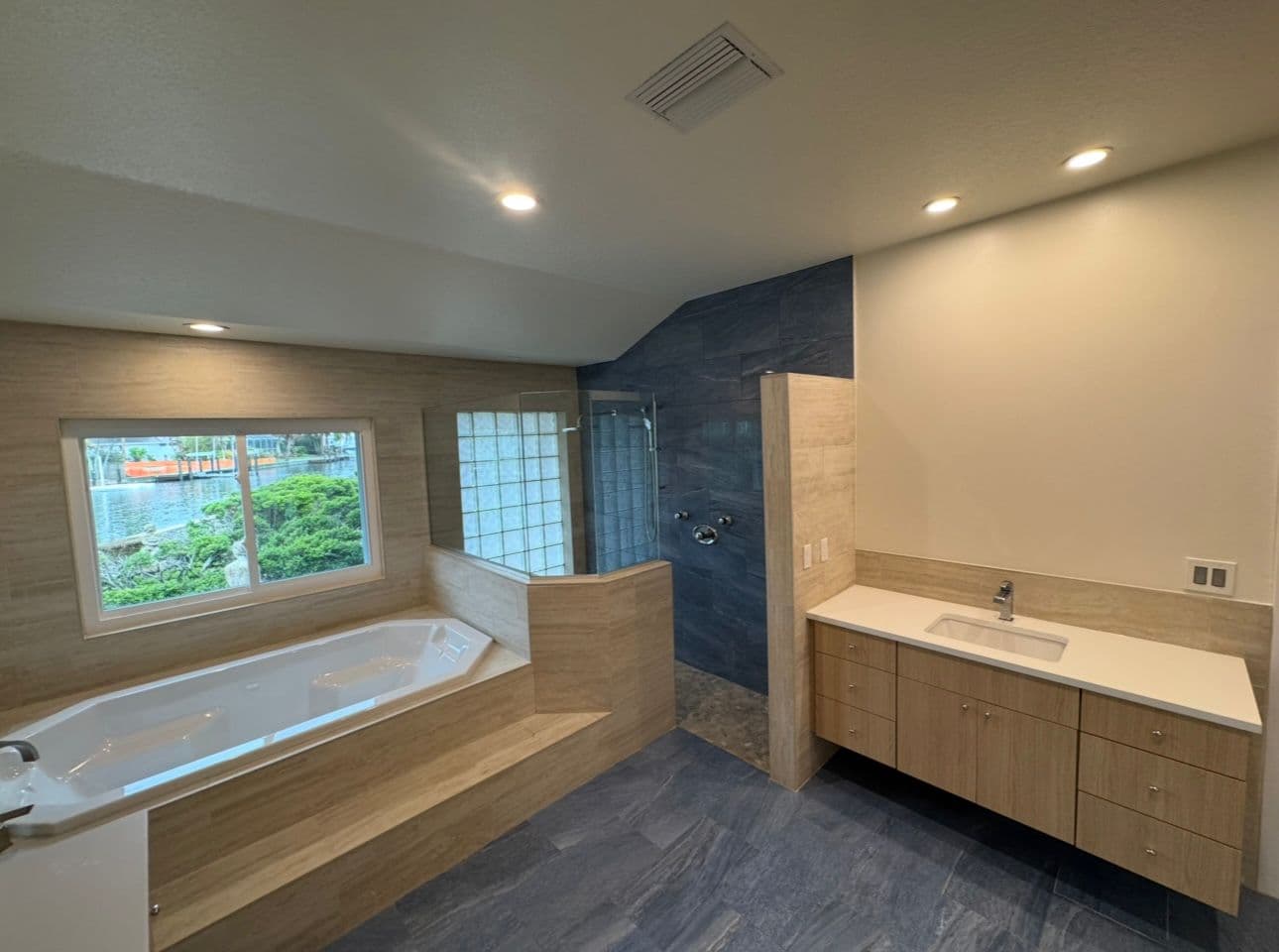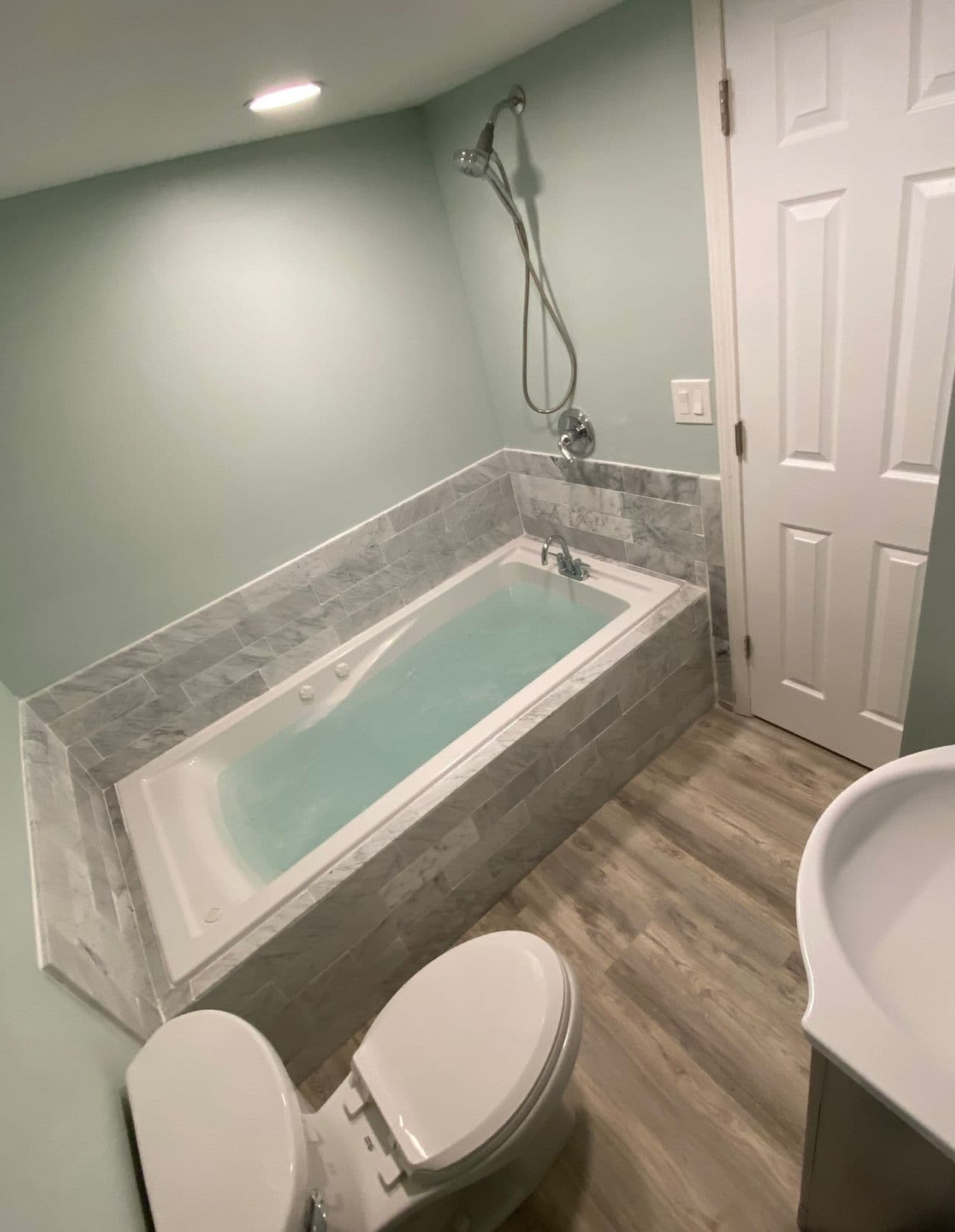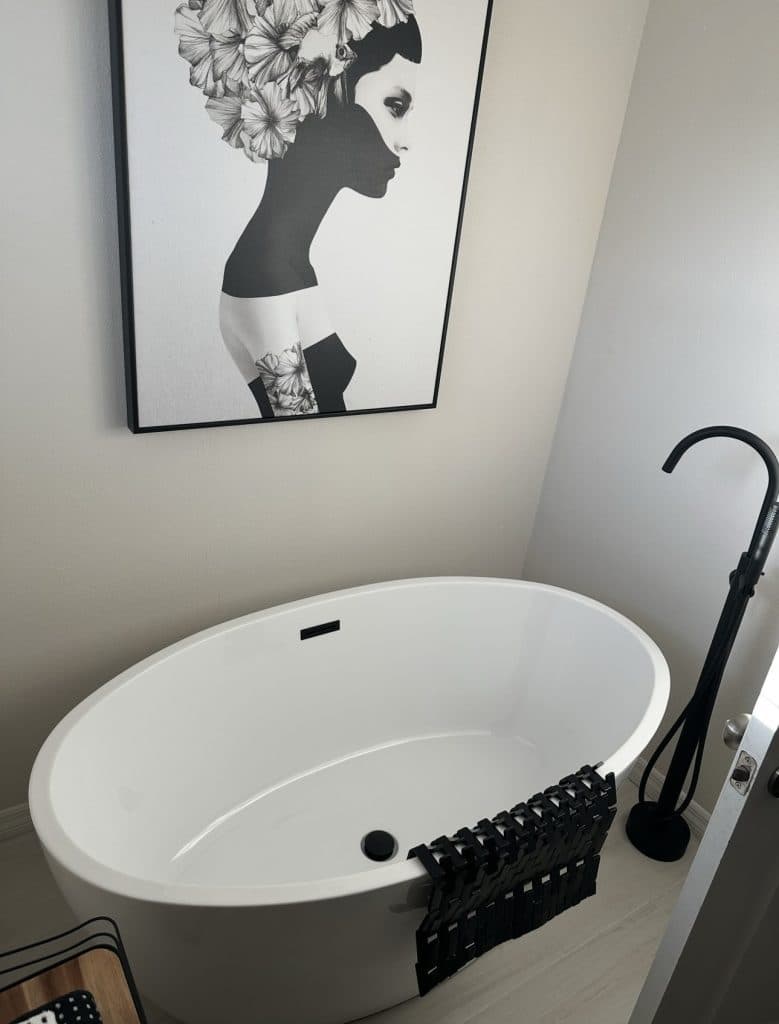
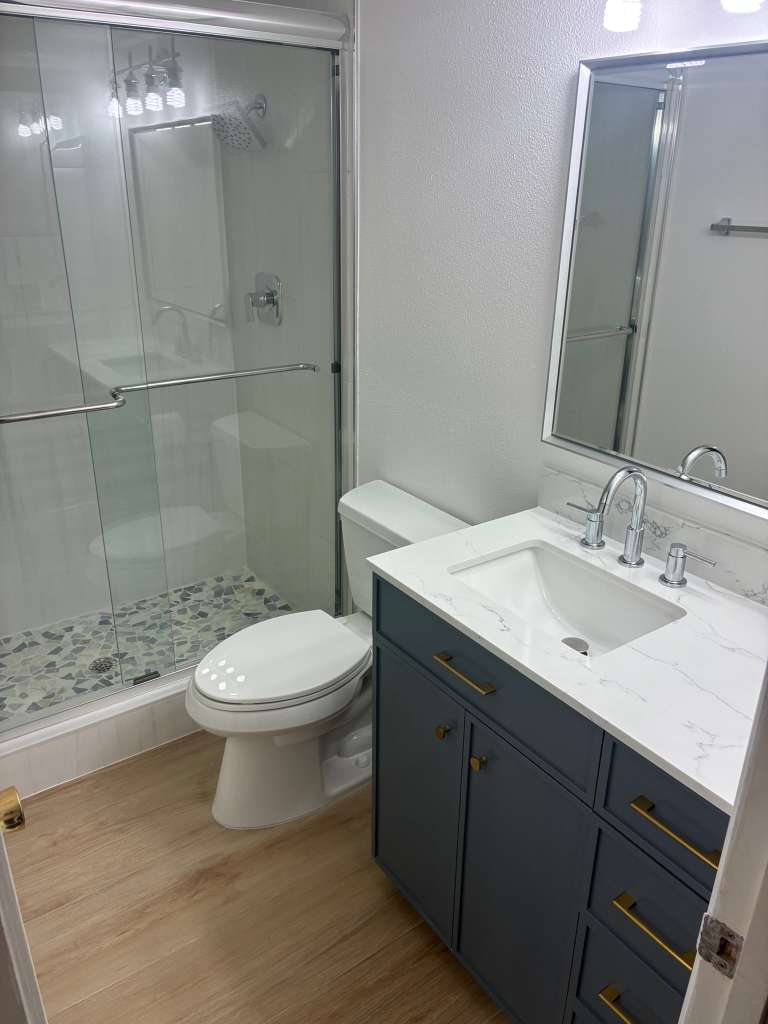
Yes, you can finance a bathroom remodel. In Southwest Florida, homeowners commonly pay cash, use a home equity loan or line of credit, or explore FHA-backed renovation financing if they need to spread the cost out over time. The best option depends on how much equity you have, how large the remodel is, and whether your lender offers the specific loan program that fits your situation.
What bathroom remodel financing usually looks like
Bathroom projects can be financed in several ways, but not every option works the same way for every homeowner. Some loans are better for smaller updates, while others are designed for larger remodels that involve major repairs or a full bathroom gut and rebuild.
Common ways homeowners pay for a remodel
- Cash savings
- Home equity loan
- Home equity line of credit
- Cash-out refinance
- FHA renovation loan, if eligible
- Other lender renovation products, depending on credit and underwriting
For homeowners in coastal and inland Southwest Florida communities, the right choice often comes down to how much of the project can be covered without creating unnecessary monthly strain.
Cash, equity, or renovation loan: which is best?
There is no one financing path that is best for every bathroom remodel. Each option has tradeoffs.
Paying cash
Cash is the simplest route if you have the savings available and do not want a monthly payment. It can also give you more flexibility when planning the work.
Pros:
- No loan interest
- No approval process tied to home equity
- Easier budgeting
Cons:
- Reduces liquid savings
- Not ideal if the remodel is larger than expected
Home equity loan or line of credit
If you have built up equity in your home, a home equity loan or line of credit may be a practical choice. These are often used for projects like bathroom updates because they can provide access to funds for materials and labor.
Pros:
- Can be useful for mid-size to larger remodels
- Often structured with clear repayment terms
- May be a good fit when the home has meaningful equity
Cons:
- Uses your home as collateral
- Requires enough equity and lender approval
- Monthly payment depends on loan structure and terms
FHA renovation loans
HUD says home improvements can be financed through a bank or lender, and FHA renovation-style programs may help when equity is limited or when the project is part of a broader financing strategy. FHA Title I may be an option for some improvements, and FHA 203(k) can combine renovation costs into a single mortgage for qualifying projects. HUD also notes that 203(k) can be used for complete bathroom remodeling.
For homeowners in areas like remodeling contractors Venice FL, that can matter when an older bathroom needs more than cosmetic changes and the work includes plumbing, tile, fixtures, or layout updates.
Pros:
- Can help when cash and equity are limited
- May bundle renovation costs into financing
- Can work for major bathroom changes if the lender and program fit
Cons:
- More paperwork and lender requirements
- Must meet program rules and lender approval
- Not every borrower or project will qualify
What a lender may look at
Financing approval usually depends on more than just the remodel itself. Lenders typically review the borrower and the property.
Factors that may affect approval
- Credit profile
- Income and debt obligations
- Available home equity
- Property value
- Type and size of the remodel
- Whether the loan is for improvements only or part of a refinance
HUD’s guidance also emphasizes that the lender and the loan program need to fit the project. That means a bathroom remodel that is straightforward for one homeowner may require a different financing structure for another.
Why equity matters
If you have strong equity, a home equity loan or cash-out refinance may be possible. If you do not have much equity, FHA Title I or another renovation-style loan may be worth discussing with a lender that offers that program. The right answer depends on the home, the borrower, and the scope of work.
What bathroom remodel costs can be financed
HUD says property improvement loans can pay for materials and labor, and its guidance includes bathroom-related interior work among eligible improvements. That means financing may be used for more than just new paint or a single vanity.
Examples of remodel costs financing may cover
- Demolition and removal
- New tile, flooring, or wall finishes
- Vanity, sink, and countertop replacement
- Shower or tub replacement
- Plumbing-related work tied to the remodel
- Electrical updates connected to the project
- Labor and installation
- Other eligible interior improvements, depending on the loan
This is one reason financing can be useful for homeowners dealing with a bathroom that has worn finishes, recurring moisture issues, or an inefficient layout. If the shower surround or grout is failing, you may also want to understand the underlying cause before deciding what to finance. This related guide on why shower grout keeps cracking Florida may help you think through those issues.
How to approach financing in Southwest Florida
Southwest Florida homeowners often need to weigh practical concerns like humidity, ventilation, water exposure, and aging finishes. A financing decision should account for both the bathroom’s condition and the long-term value of the upgrade.
A simple planning process
Define the scope. Decide whether you need a cosmetic refresh, a fixture swap, or a full remodel.
Get multiple estimates. HUD recommends getting more than one estimate before moving forward.
Ask about financing early. Some lenders and loan types require the project details before approval.
Compare monthly payment impact. Focus on what fits your budget, not just the total project amount.
Read the loan terms carefully. Look at interest rate, repayment term, fees, and any rules about how funds are released.
Why timing matters
HUD notes that improvements generally should be started after loan approval. That matters because some financing programs have rules about when work can begin and how money is disbursed. Starting too early can create complications.
When financing makes the most sense
Financing can be helpful when the bathroom remodel is important but the timing is not ideal for a large cash payment.
Financing may be a good fit if:
- You want to preserve savings
- The remodel is necessary, not just cosmetic
- You have equity and want to spread out payments
- You are combining the bathroom work with other home improvements
- The project is larger than a typical refresh
Financing may be less attractive if:
- You already have enough cash and do not want debt
- The remodel is very small
- You are not comfortable using your home as collateral
- The loan terms make the project too expensive over time
A bathroom remodel should improve the home without creating financial stress. That is especially important if you are also planning around other home priorities.
Questions to ask before you borrow
Before committing to a financing option, ask yourself and your lender a few practical questions.
Good questions to ask
- How much of the project can this loan realistically cover?
- Are materials and labor both eligible?
- Does the loan require a specific contractor setup or inspection process?
- When can the work begin?
- What happens if the final project cost changes?
- Are there fees, penalties, or restrictions I should understand?
These questions can help you avoid surprises and choose a financing structure that matches the remodel rather than forcing the remodel to fit the loan.
What to expect from the remodeling process
Financing is only one part of the decision. The remodel itself still needs a clear scope, realistic expectations, and a plan that fits your home.
Helpful homeowner considerations
- Moisture exposure and ventilation
- Condition of existing plumbing and subflooring
- Whether the bathroom has damage behind the walls
- Accessibility needs now or in the future
- Design choices that fit the home and neighborhood
If you are comparing options or trying to decide how much project detail you need before talking with a lender or contractor, this guide on bathroom remodeling ideas North Port home value may help you think through upgrades more strategically.
Bottom line for Southwest Florida homeowners
Yes, a bathroom remodel can be financed, but the best method depends on your equity, credit, the size of the project, and whether the lender offers the right renovation product. Cash is simplest, home equity loans and lines of credit are common, and FHA renovation options may help when equity is limited or the remodel is more involved. HUD recommends getting multiple estimates, reviewing the loan terms carefully, and waiting until approval before starting work.
If you are planning a bathroom update in Southwest Florida, the smartest next step is to define the scope and compare financing options before committing to the work.
FAQ
Can I finance just a bathroom remodel without doing other home projects?
Yes, some financing options can be used for a bathroom-only project, but eligibility depends on the lender and loan type.
Do I need home equity to finance a bathroom remodel?
Not always. Home equity loans and lines of credit usually require equity, but some FHA renovation programs may be available even when equity is limited.
Can financing cover labor and materials?
HUD says property improvement loans can cover materials and labor, and bathroom-related interior work may be eligible depending on the loan.
Should I start the remodel before the loan is approved?
Usually no. HUD notes that improvements generally should begin after loan approval.
Is an FHA 203(k) loan only for major projects?
It is often used for larger renovation projects, and HUD says it can be used for complete bathroom remodeling, but the lender and project must qualify.
What is the most important thing to compare between loans?
Look at the total cost over time, including interest, fees, repayment terms, and how the funds will be released.