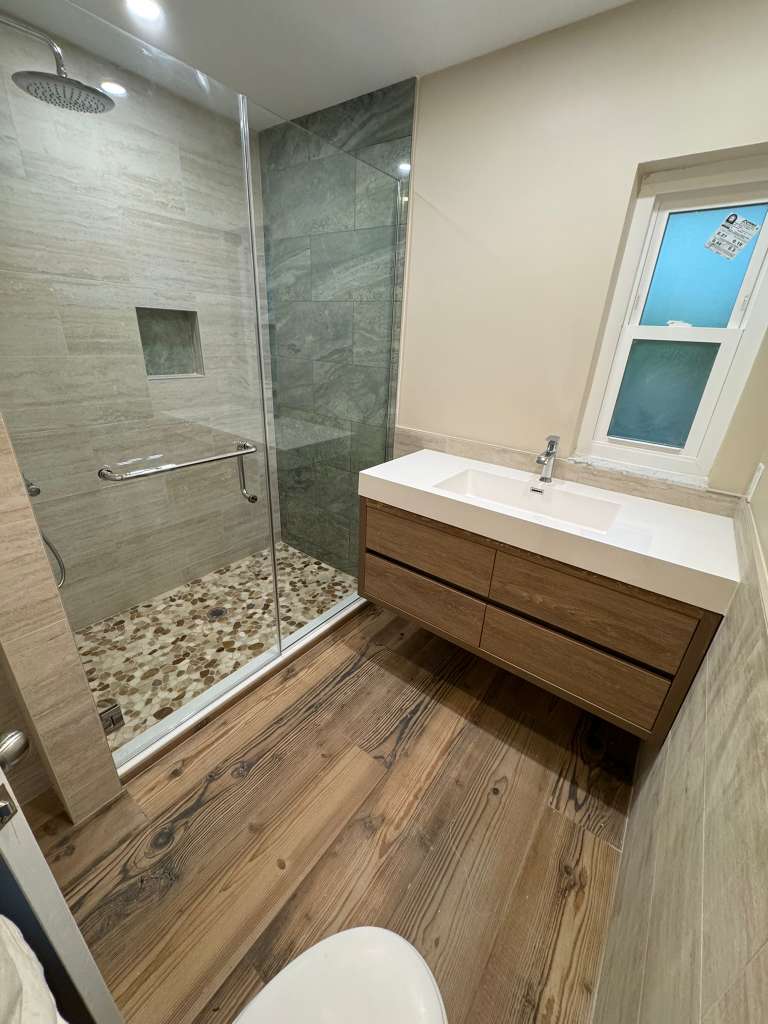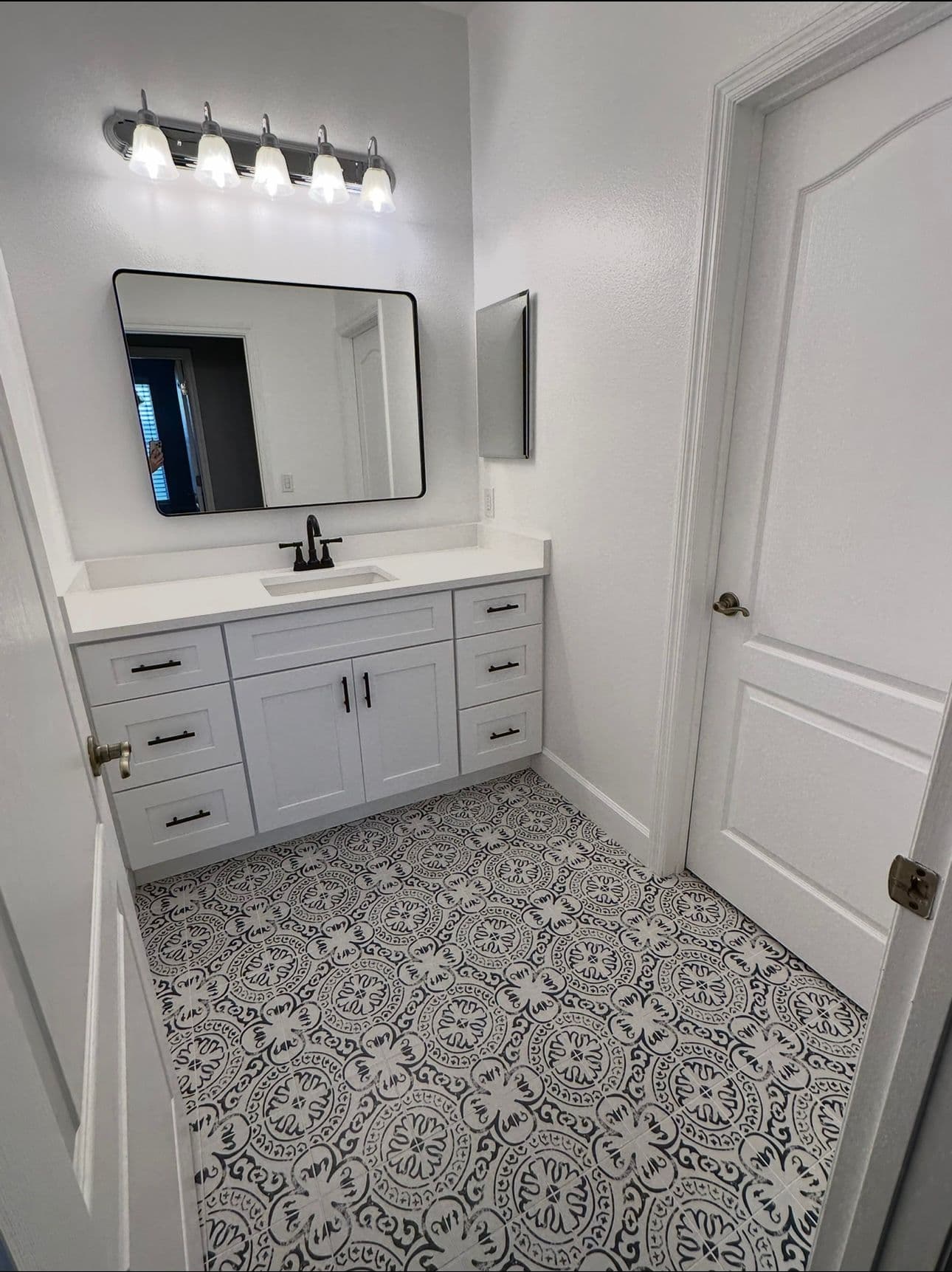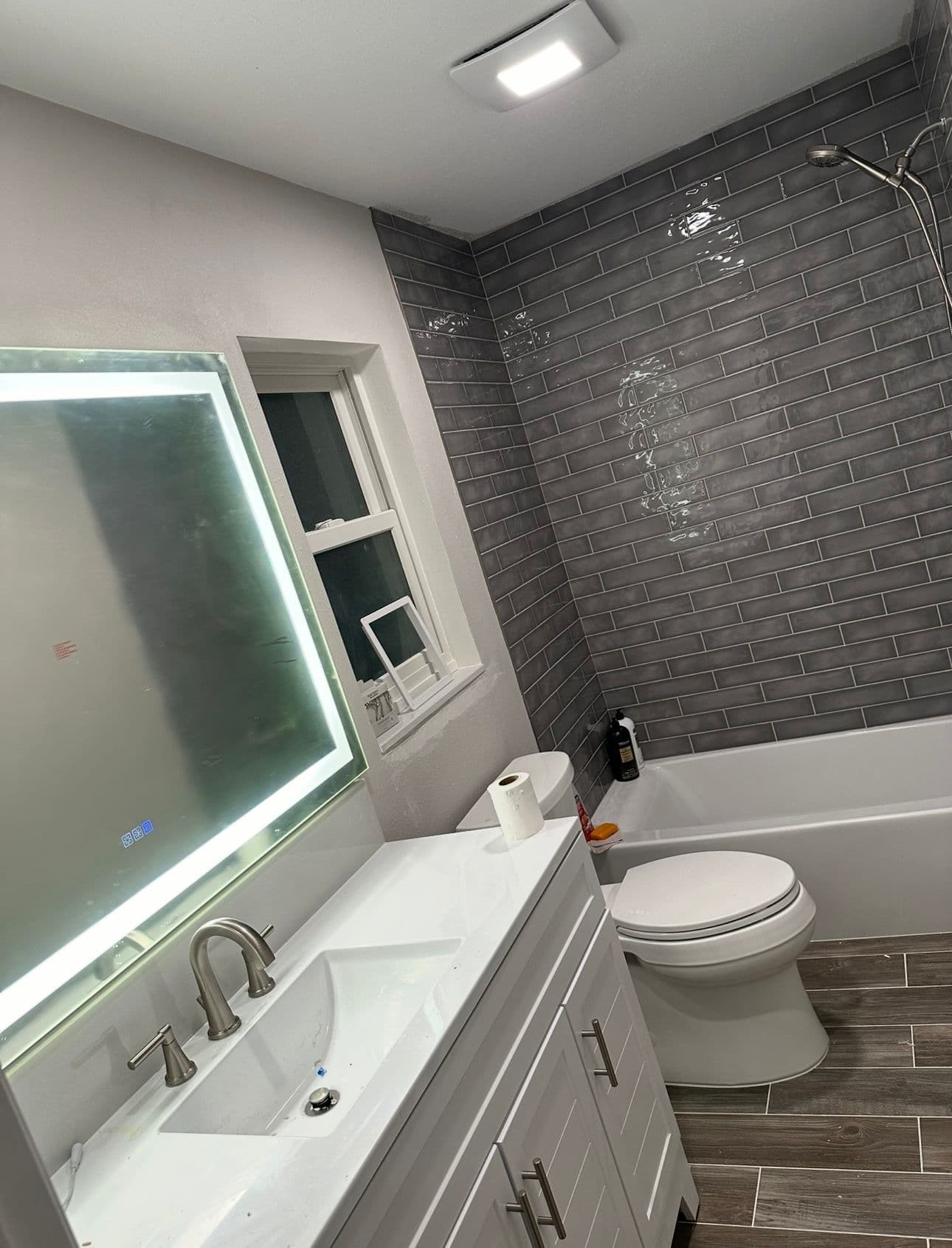
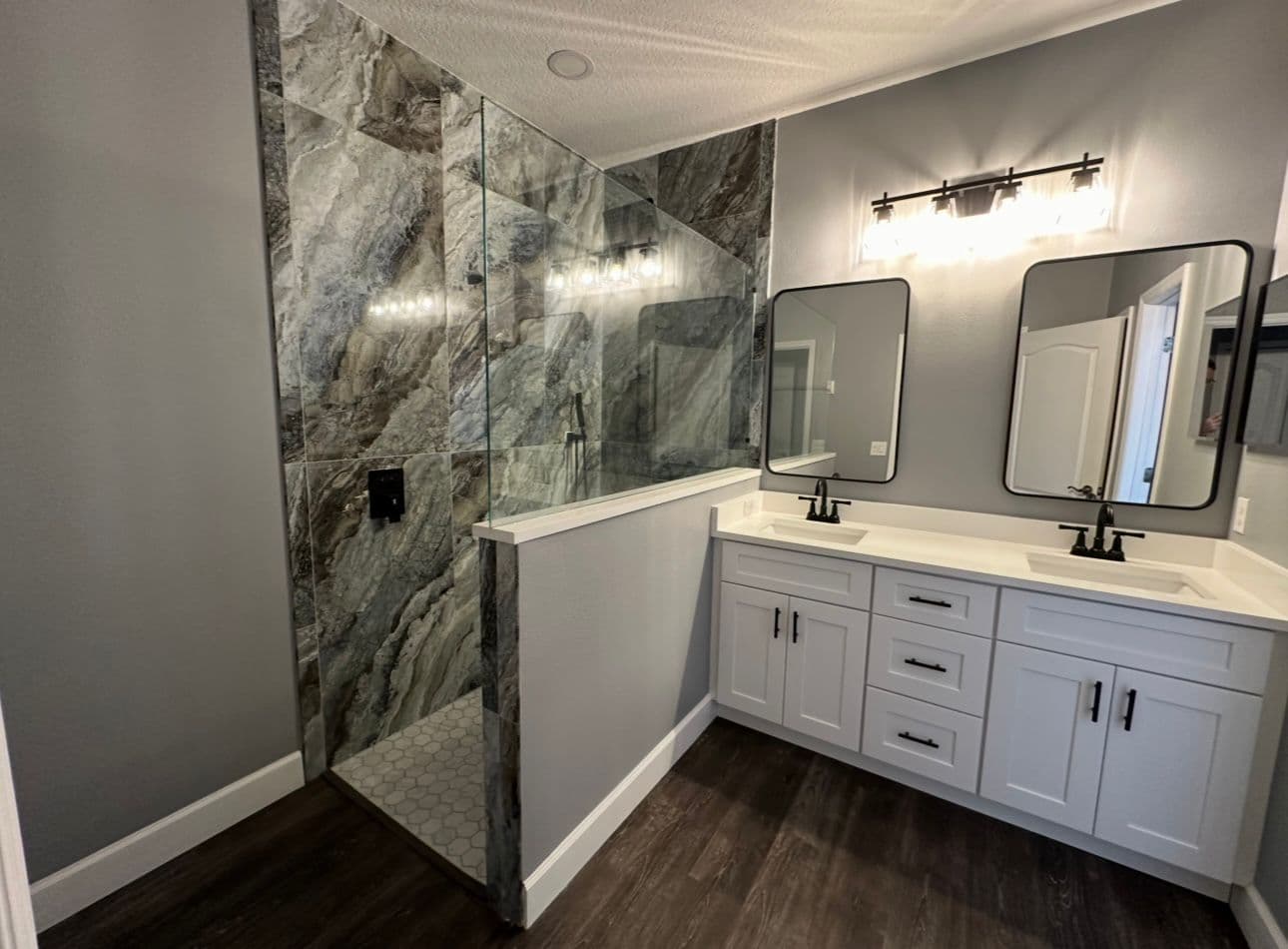
A bathroom remodel usually includes demolition of old finishes and fixtures, installation of new surfaces and materials, and any plumbing, electrical, or ventilation updates needed for the new design. In many Southwest Florida projects, that can mean replacing a tub or shower, updating the vanity and countertop, installing new tile or flooring, and improving lighting, exhaust, and storage. What is included in a bathroom remodel? The short answer is: it depends on whether you are doing a like-for-like refresh or changing the layout, but most projects cover a combination of removal, replacement, finish work, and coordination of the trades needed to complete the room properly.
For homeowners in Southwest Florida, the details matter because bathroom work often has to account for moisture, ventilation, and the condition of the existing structure. A project may look simple on the surface, but once tile is removed, hidden issues like water damage, mold, old plumbing, or outdated wiring can change the scope. That is why it helps to think of a remodel in categories: what is being removed, what is being replaced, what is being upgraded, and what may require permits or additional approvals.
The core parts of a bathroom remodel
Most bathroom remodels include a combination of cosmetic and functional updates. The exact scope depends on the room’s size, age, condition, and whether fixtures are staying in the same place.
Demolition and removal
The first step is often removing what is already there. That may include:
- Old tile or wall finishes
- Flooring
- Vanity, sink, and countertop
- Toilet
- Tub or shower enclosure
- Faucets, trim, and accessories
- Old lighting or ventilation components if they are part of the remodel
Demolition can be straightforward, or it can uncover issues behind walls and under floors that were not visible before. In older Southwest Florida homes, this is sometimes the point where a project shifts from a simple refresh to a more involved repair-and-rebuild scope.
New surfaces and finishes
Many homeowners think of the visible finishes first, and that is usually a big part of the remodel. Common finish work includes:
- Wall tile in the shower or tub surround
- Floor tile or other bathroom flooring
- Waterproof wall systems or moisture-resistant backer materials where appropriate
- Paint or wall finish updates outside wet areas
- Trim and decorative details
Tile selection is one of the biggest design choices in a bathroom. It affects the style, maintenance, and overall feel of the space. In humid coastal conditions, durable materials and proper installation matter just as much as appearance.
Fixtures and built-in features
A remodel often includes replacing bathroom fixtures and built-ins, especially if the goal is a cleaner layout or more practical storage. This may include:
- Vanity and cabinetry
- Sink and faucet
- Toilet
- Tub, shower, or both
- Shower valve and related hardware
- Mirrors, towel bars, and other accessories
Some homeowners want a more open, modern shower with a bench, niche, or frameless glass. Others want a larger vanity with better storage. These upgrades can dramatically change how the room functions, even if the footprint stays the same.
Like-for-like remodels versus layout changes
One of the most important things to understand is the difference between a like-for-like bathroom remodel and a layout-changing alteration. The scope you choose affects the work involved, the permits that may be needed, and the overall complexity of the project.
Like-for-like remodels
A like-for-like remodel generally means replacing existing fixtures and finishes in the same location. For example, a tub comes out and a new tub goes back in the same spot, or a vanity is replaced without moving the sink location.
This type of remodel commonly includes:
- Replacing cabinets, toilet, tub, shower, sink, faucets, and shower valve in the same location
- Updating flooring, tile, and finishes
- Replacing a fan if needed
- Making minor plumbing or electrical adjustments connected to the new materials
For many homeowners, this is the most efficient way to improve a bathroom without turning it into a major construction project.
Alterations and layout changes
If the remodel involves moving fixtures, changing the bathroom layout, opening walls, or altering plumbing or electrical locations, it becomes a more complex project. Those changes may require more detailed plans and different permit considerations.
Examples include:
- Moving the toilet to another wall
- Relocating a shower or tub
- Expanding the shower footprint
- Removing or adding walls
- Changing lighting locations
- Moving plumbing lines or electrical circuits
These changes can create a better floor plan, but they usually require more coordination and may involve structural, mechanical, plumbing, or electrical work beyond a basic replacement job.
Plumbing, electrical, and ventilation work
A bathroom remodel often includes more than what you can see. The hidden systems are just as important, especially in a moisture-prone room.
Plumbing updates
Plumbing work may be included if the remodel requires new fixtures, updated valve locations, or repairs to aging pipes and drains. That can involve:
- Replacing a shower valve
- Installing new sink, tub, or toilet connections
- Updating drain or supply lines
- Repairing leaks or corrosion found during demolition
If fixtures stay in the same location, plumbing changes may be minimal. If fixtures move, plumbing needs can increase quickly.
Electrical updates
Bathroom electrical work may include:
- New or relocated lighting
- Vanity light updates
- GFCI protection where required by the project scope
- Exhaust fan wiring
- Outlet relocation or replacement
Electrical work in bathrooms needs careful planning because lighting, outlets, and ventilation all have to work together safely and comfortably.
Ventilation improvements
Ventilation is especially important in Southwest Florida, where humidity can make moisture problems worse if airflow is poor. A remodel may include:
- Exhaust fan replacement
- Better fan placement
- Ventilation corrections
- Upgrades that help reduce lingering humidity in the room
If the bathroom has had recurring mildew, musty odors, or peeling paint, ventilation is worth addressing as part of the remodel instead of treating it as an afterthought.
What homeowners often overlook
A bathroom remodel is not always just about finishes. There are several behind-the-scenes items that can change the scope, cost, and timeline of the project.
Hidden damage
Once the old materials come out, contractors may find:
- Water-damaged subflooring
- Mold growth behind walls or under flooring
- Loose or deteriorated framing
- Outdated plumbing components
- Electrical issues that need correction before new finishes go in
This is why remodel estimates can shift after demolition. The most accurate scope often comes after the room is opened up and the condition of the structure is visible.
Moisture protection
Bathrooms need appropriate moisture control. Depending on the design, that may include:
- Waterproofing in shower areas
- Moisture-resistant materials in wet zones
- Proper slope and drainage in shower construction
- Correct sealing around tile and fixtures
Southwest Florida humidity makes proper moisture management especially important. A beautiful bathroom that is not built to handle water well can become a maintenance problem later.
Storage and functionality
Homeowners often focus on tile and fixtures, but storage and usability make a big difference in daily life. A remodel may also include:
- Better vanity storage
- Linen cabinetry
- Shower niches
- Improved layout for traffic flow
- Lighting that works for grooming and cleaning
Small changes in storage and function can make a bathroom feel much bigger and easier to use, even if the square footage does not change.
Permits and project scope in Southwest Florida
Whether a bathroom remodel needs permits often depends on the kind of work being done. Simple cosmetic updates may be treated differently from projects that involve plumbing, electrical, mechanical, or structural changes.
When permits may be more likely
Permits are more likely to come into play when the remodel includes:
- Moving fixtures
- Relocating plumbing or electrical
- Changing walls or structural elements
- Altering the shower, tub, or drainage layout
- Adding or modifying ventilation tied to mechanical systems
Why scope clarity matters
A clear scope helps homeowners understand what is included and what is not. For example, a quote for a bathroom remodel may cover demolition, new tile, fixture replacement, and finish work, but not necessarily hidden damage repairs unless they are specifically identified.
If you want a better sense of how planning affects the process, this bathroom remodeling cost and timeline guide can help you think through the moving parts before you start.
Working with a local contractor
Local experience matters because bathroom projects in coastal Florida often need attention to moisture, ventilation, and existing home conditions. A good project discussion should cover the room’s current condition, the goal of the remodel, and whether the work is a refresh or a full alteration. If you are comparing options, start with the scope first, not just the finish materials.
If you are planning a project in the area, our bathroom remodel port charlotte fl page is a helpful place to see how these projects are approached locally.
How to think about a bathroom remodel budget
Budget varies widely because bathroom remodels are not one-size-fits-all. The final total depends on the size of the room, the materials chosen, the condition of what is already there, and whether the layout changes.
Main cost drivers
The biggest factors usually include:
- Size of the bathroom
- Quality of tile, fixtures, cabinetry, and finishes
- Amount of demolition needed
- Hidden repairs uncovered during the project
- Plumbing or electrical changes
- Whether the shower, tub, or layout is being changed
Why low bids can be misleading
A quote can look attractive if it only covers surface-level work. But if it leaves out demolition debris removal, waterproofing, trim, or likely repairs, the final cost may rise later. It is better to compare scopes carefully and understand what is and is not included.
Planning for flexibility
Because older bathrooms can hide surprises, it helps to keep some flexibility in the plan. That does not mean expecting problems; it means understanding that a remodel may uncover conditions that need attention before the new finishes can be installed correctly.
What a homeowner should ask before starting
Before a bathroom remodel begins, ask practical questions so you know what the project includes.
Good questions to ask
- Are demolition and disposal included?
- Are plumbing and electrical changes included, or only minor adjustments?
- Does the scope include waterproofing and ventilation work?
- What happens if hidden damage is found?
- Are the fixtures being replaced in the same locations, or is the layout changing?
- Which items are allowances and which are fixed in the scope?
These questions help you compare proposals more clearly and reduce confusion once the job is underway.
FAQ
What is included in a bathroom remodel?
A bathroom remodel may include demolition, new tile or flooring, fixture replacement, cabinetry, plumbing updates, electrical work, ventilation improvements, and finish carpentry, depending on the project scope.
Does a bathroom remodel always include new plumbing?
No. Plumbing is often included only when fixtures are being replaced, repaired, or relocated. If everything stays in the same place, plumbing changes may be limited.
Is changing the layout part of a bathroom remodel?
It can be, but layout changes usually make the job more complex. Moving fixtures, opening walls, or changing plumbing and electrical locations is typically more involved than a like-for-like remodel.
Does a bathroom remodel include ventilation upgrades?
Sometimes. Exhaust fan replacement or ventilation corrections may be part of the scope, especially if the existing bathroom has moisture or airflow problems.
What is the difference between a refresh and a full remodel?
A refresh usually focuses on visible updates like tile, paint, fixtures, and vanity replacement. A full remodel may also include layout changes, plumbing or electrical work, and repairs behind the walls.
Can hidden damage change what is included?
Yes. Water damage, mold, worn subfloors, or outdated systems discovered during demolition can expand the scope and may require additional repairs before finishes are installed.
A bathroom remodel can be as simple as replacing the existing fixtures and finishes, or as involved as reworking the room from the studs out. The key is understanding the scope before work begins so you know which parts are included, which parts may be added, and where surprises could show up once demolition starts. In Southwest Florida, moisture, ventilation, and hidden damage are especially important to consider, so the best remodel plan is one that balances design goals with the practical realities of the home.